

GIVE THE PERFECT GIFT
Erin Mills Town Centre Gift Cards are the perfect choice for your gift giving needs.Purchase gift cards at kiosks near the food court or centre court, at Guest Services, or click below to purchase online.PURCHASE HEREHome
A Cultural History of Aramaic: From the Beginnings to the Advent of Islam
Indigo
Loading Inventory...
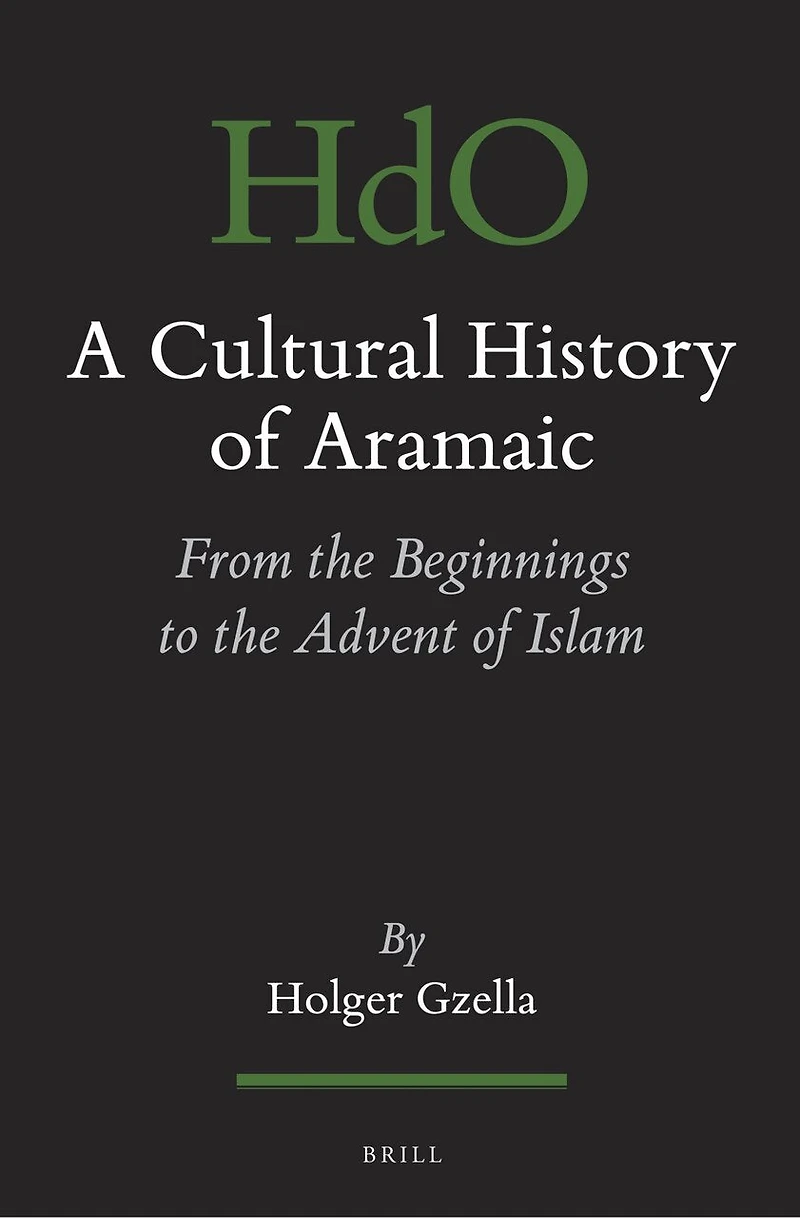
A Cultural History of Aramaic: From the Beginnings to the Advent of Islam
Current price: $335.99

A Cultural History of Aramaic: From the Beginnings to the Advent of Islam
Current price: $335.99
Loading Inventory...
Size: Hardcover
*Product information may vary - to confirm product availability, pricing, shipping and return information please contact Indigo
Aramaic is a constant thread running through the various civilizations of the Near East, ancient and modern, from 1000 BCE to the present, and has been the language of small principalities, world empires, and a fair share of the Jewish-Christian tradition. Holger Gzella describes its cultural and linguistic history as a continuous evolution from its beginnings to the advent of Islam. For the first time the individual phases of the language, their socio-historical underpinnings, and the textual sources are discussed comprehensively in light of the latest linguistic and historical research and with ample attention to scribal traditions, multilingualism, and language as a marker of cultural self-awareness. Many new observations on Aramaic are thereby integrated into a coherent historical framework.
Aramaic is a constant thread running through the various civilizations of the Near East, ancient and modern, from 1000 BCE to the present, and has been the language of small principalities, world empires, and a fair share of the Jewish-Christian tradition. Holger Gzella describes its cultural and linguistic history as a continuous evolution from its beginnings to the advent of Islam. For the first time the individual phases of the language, their socio-historical underpinnings, and the textual sources are discussed comprehensively in light of the latest linguistic and historical research and with ample attention to scribal traditions, multilingualism, and language as a marker of cultural self-awareness. Many new observations on Aramaic are thereby integrated into a coherent historical framework.
You May Also Like









More About Indigo at Erin Mills Town Centre
The largest book retailer in Canada also offers toys, music, home décor, gifts and lifestyle products. What's Inside...Books, Magazines, CD’s and DVD’s, Toys and Gifts, Home Accents, Electronics, Baby’s and Children’s Section, Bath and Body, Kitchen and Bedroom, Stationary Located outside in the exterior plaza.
5015 Glen Erin Dr, Mississauga, ON L5M 0R7, Canada
Find Indigo at Erin Mills Town Centre in Mississauga ON
Visit Indigo at Erin Mills Town Centre in Mississauga ON