

GIVE THE PERFECT GIFT
Erin Mills Town Centre Gift Cards are the perfect choice for your gift giving needs.Purchase gift cards at kiosks near the food court or centre court, at Guest Services, or click below to purchase online.PURCHASE HEREHome
A Cultural History of Disability the Long Eighteenth Century
Indigo
Loading Inventory...
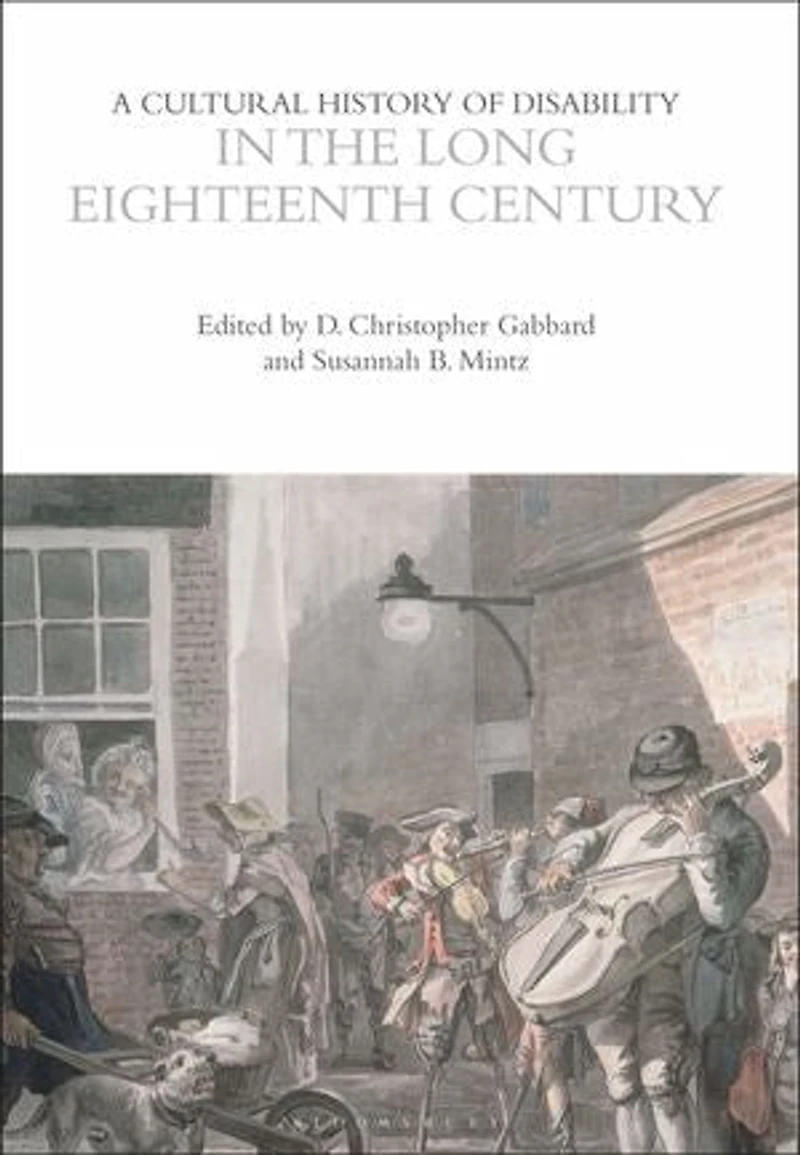
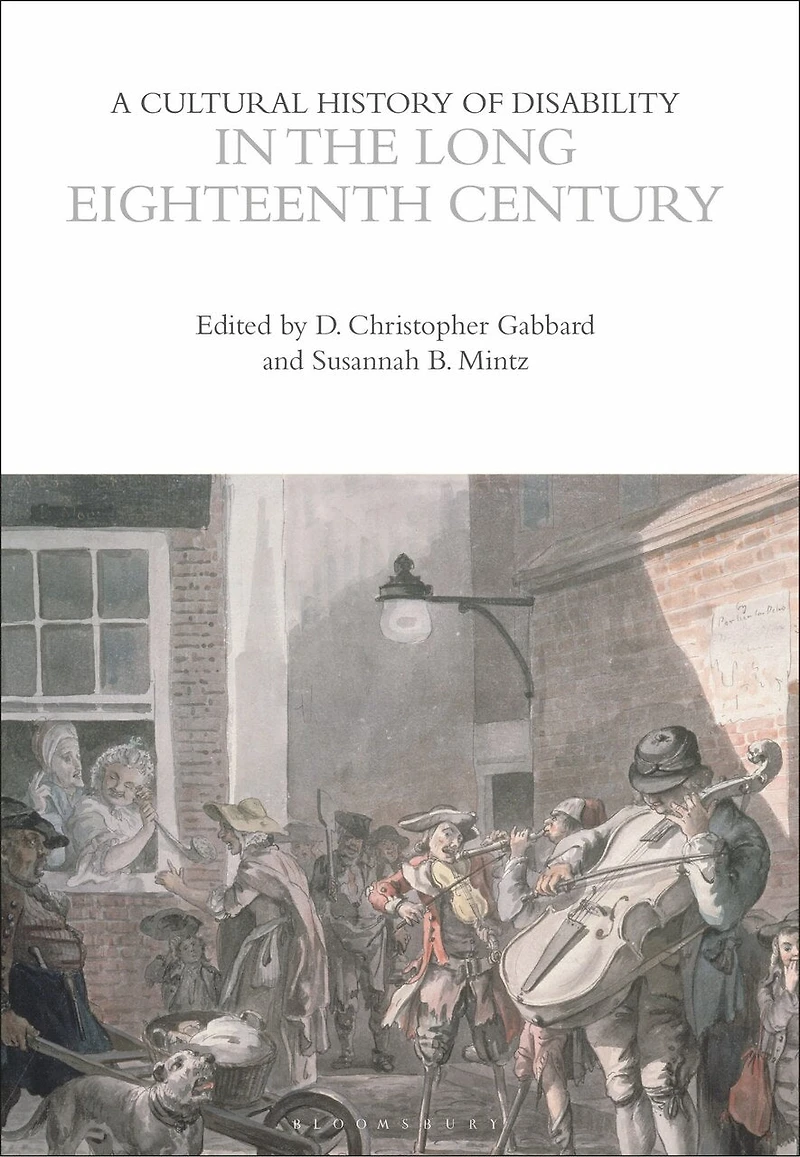
A Cultural History of Disability the Long Eighteenth Century
Current price: $38.89
Original price: $48.55

A Cultural History of Disability the Long Eighteenth Century
Current price: $38.89
Original price: $48.55
Loading Inventory...
Size: Kobo eBook
*Product information may vary - to confirm product availability, pricing, shipping and return information please contact Indigo
18th century philosopher Edmund Burke wrote, 'deformity is opposed, not to beauty, but to the complete, common form. If one of the legs of a man be found shorter than the other, the man is deformed; because there is something wanting to complete the whole idea we form of a man'. During the long 18th century, new ideas from aesthetics and the emerging scientific disciplines of physics, biology and zoology contributed to changing fundamental notions about human form, function and ability. The interrelated concepts of the natural and the beautiful coalesced into a hegemonic ideology of form, one which defined communal standards regarding which aspects of human appearance and ability would be considered typical and socially acceptable and which would not. An essential resource for researchers, scholars and students of history, literature, culture and education, A Cultural History of Disability in the Long Eighteenth Century explores such themes and topics as: atypical bodies; mobility impairment; chronic pain and illness; blindness; deafness; speech; learning difficulties; and mental health.
18th century philosopher Edmund Burke wrote, 'deformity is opposed, not to beauty, but to the complete, common form. If one of the legs of a man be found shorter than the other, the man is deformed; because there is something wanting to complete the whole idea we form of a man'. During the long 18th century, new ideas from aesthetics and the emerging scientific disciplines of physics, biology and zoology contributed to changing fundamental notions about human form, function and ability. The interrelated concepts of the natural and the beautiful coalesced into a hegemonic ideology of form, one which defined communal standards regarding which aspects of human appearance and ability would be considered typical and socially acceptable and which would not. An essential resource for researchers, scholars and students of history, literature, culture and education, A Cultural History of Disability in the Long Eighteenth Century explores such themes and topics as: atypical bodies; mobility impairment; chronic pain and illness; blindness; deafness; speech; learning difficulties; and mental health.
You May Also Like











More About Indigo at Erin Mills Town Centre
The largest book retailer in Canada also offers toys, music, home décor, gifts and lifestyle products. What's Inside...Books, Magazines, CD’s and DVD’s, Toys and Gifts, Home Accents, Electronics, Baby’s and Children’s Section, Bath and Body, Kitchen and Bedroom, Stationary Located outside in the exterior plaza.
5015 Glen Erin Dr, Mississauga, ON L5M 0R7, Canada
Find Indigo at Erin Mills Town Centre in Mississauga ON
Visit Indigo at Erin Mills Town Centre in Mississauga ON