

GIVE THE PERFECT GIFT
Erin Mills Town Centre Gift Cards are the perfect choice for your gift giving needs.Purchase gift cards at kiosks near the food court or centre court, at Guest Services, or click below to purchase online.PURCHASE HEREHome
A Cultural History of Disability the Renaissance
Indigo
Loading Inventory...
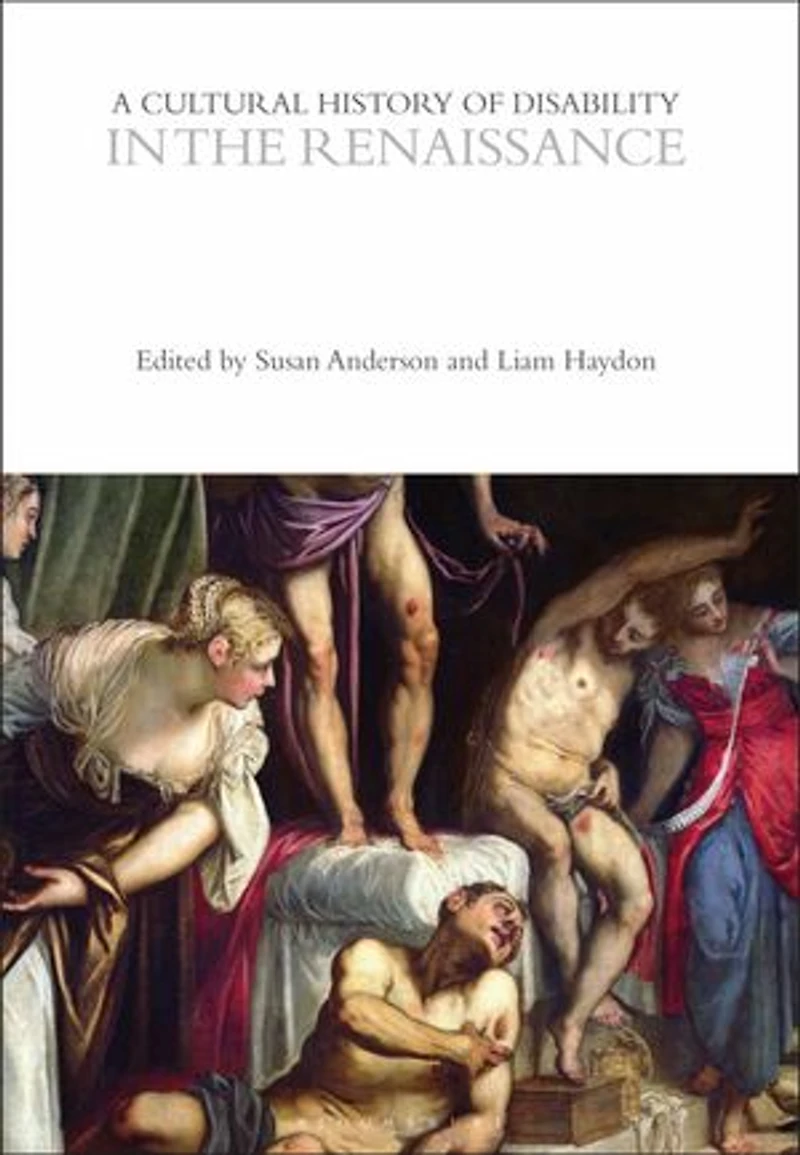
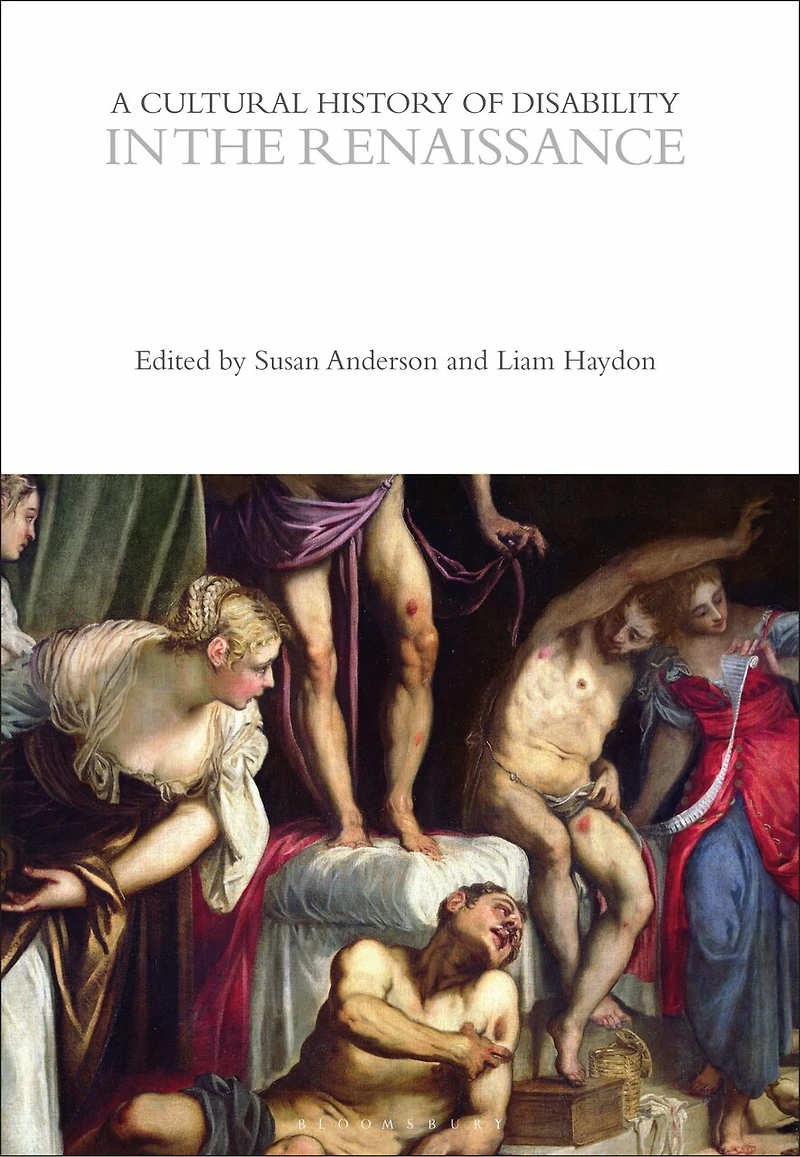
A Cultural History of Disability the Renaissance
Current price: $38.89
Original price: $48.55

A Cultural History of Disability the Renaissance
Current price: $38.89
Original price: $48.55
Loading Inventory...
Size: Kobo eBook
*Product information may vary - to confirm product availability, pricing, shipping and return information please contact Indigo
In Renaissance humanism, difference was understood through a variety of paradigms that rendered particular kinds of bodies and minds disabled. A Cultural History of Disability in the Renaissance , covering the period from 1450 to 1650, explores evidence of the possibilities for disability that existed in the European Renaissance, observable in the literary and medicinal texts, and the family, corporate, and legal records discussed in the chapters of this volume. These chapters provide an interdisciplinary overview of the configurations of bodies, minds and collectives that have left evidence of some of the ways that normativity and its challengers interacted in the Renaissance. An essential resource for researchers, scholars and students of history, literature, culture and education, A Cultural History of Disability in the Renaissance explores such themes and topics as: atypical bodies; mobility impairment; chronic pain and illness; blindness; deafness; speech; learning difficulties; and mental health.
In Renaissance humanism, difference was understood through a variety of paradigms that rendered particular kinds of bodies and minds disabled. A Cultural History of Disability in the Renaissance , covering the period from 1450 to 1650, explores evidence of the possibilities for disability that existed in the European Renaissance, observable in the literary and medicinal texts, and the family, corporate, and legal records discussed in the chapters of this volume. These chapters provide an interdisciplinary overview of the configurations of bodies, minds and collectives that have left evidence of some of the ways that normativity and its challengers interacted in the Renaissance. An essential resource for researchers, scholars and students of history, literature, culture and education, A Cultural History of Disability in the Renaissance explores such themes and topics as: atypical bodies; mobility impairment; chronic pain and illness; blindness; deafness; speech; learning difficulties; and mental health.
You May Also Like








More About Indigo at Erin Mills Town Centre
The largest book retailer in Canada also offers toys, music, home décor, gifts and lifestyle products. What's Inside...Books, Magazines, CD’s and DVD’s, Toys and Gifts, Home Accents, Electronics, Baby’s and Children’s Section, Bath and Body, Kitchen and Bedroom, Stationary Located outside in the exterior plaza.
5015 Glen Erin Dr, Mississauga, ON L5M 0R7, Canada
Find Indigo at Erin Mills Town Centre in Mississauga ON
Visit Indigo at Erin Mills Town Centre in Mississauga ON