

GIVE THE PERFECT GIFT
Erin Mills Town Centre Gift Cards are the perfect choice for your gift giving needs.Purchase gift cards at kiosks near the food court or centre court, at Guest Services, or click below to purchase online.PURCHASE HEREHome
A Cultural History of Genocide in the Early Modern World
Indigo
Loading Inventory...
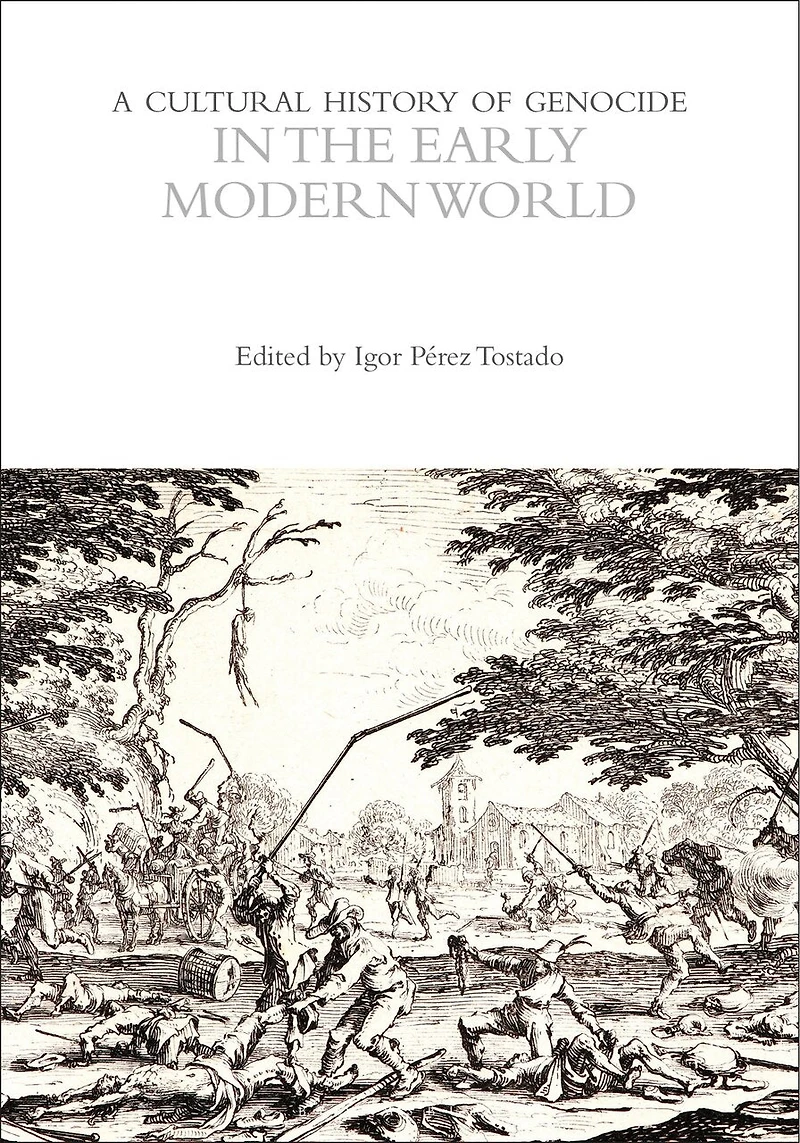
A Cultural History of Genocide in the Early Modern World
Current price: $52.50

A Cultural History of Genocide in the Early Modern World
Current price: $52.50
Loading Inventory...
Size: Paperback
*Product information may vary - to confirm product availability, pricing, shipping and return information please contact Indigo
Historical studies of genocide in the 20th century trace the roots back to the sociopolitical, economic, and cultural developments of the early modern period. From globalization to urbanization, to imperialism, state formation and homogenization, from religious warfare to enlightenment, to racism: many factors connected with genocide first emerged or vastly developed between the 15th and 18th centuries. While the early modern period did not have a crime of genocide, it possessed its own legal system which contemplated the rightful destruction of whole peoples, and a political culture that sanctioned the use of mass violence. As a result, early modern genocide has been denied or blurred as a regrettable side effect of the global circulation of ideas, goods, and peoples, and the creation of new societies, cultures, and languages arising from it. This collection looks at the different genocides which unfolded around the globe, emphasizing its gendered dimension and its disproportionate and enduring impact on indigenous populations. Although European imperialism and homogenization play a central role, it aims more widely to cover the principal agents, victims and rationale for genocide in the early modern world. As a whole, this volume aims at fostering the debate on the early modern history of genocide, not as an insulated or secondary subject, but as a central issue of the era with profound implications for our own.
Historical studies of genocide in the 20th century trace the roots back to the sociopolitical, economic, and cultural developments of the early modern period. From globalization to urbanization, to imperialism, state formation and homogenization, from religious warfare to enlightenment, to racism: many factors connected with genocide first emerged or vastly developed between the 15th and 18th centuries. While the early modern period did not have a crime of genocide, it possessed its own legal system which contemplated the rightful destruction of whole peoples, and a political culture that sanctioned the use of mass violence. As a result, early modern genocide has been denied or blurred as a regrettable side effect of the global circulation of ideas, goods, and peoples, and the creation of new societies, cultures, and languages arising from it. This collection looks at the different genocides which unfolded around the globe, emphasizing its gendered dimension and its disproportionate and enduring impact on indigenous populations. Although European imperialism and homogenization play a central role, it aims more widely to cover the principal agents, victims and rationale for genocide in the early modern world. As a whole, this volume aims at fostering the debate on the early modern history of genocide, not as an insulated or secondary subject, but as a central issue of the era with profound implications for our own.
You May Also Like








More About Indigo at Erin Mills Town Centre
The largest book retailer in Canada also offers toys, music, home décor, gifts and lifestyle products. What's Inside...Books, Magazines, CD’s and DVD’s, Toys and Gifts, Home Accents, Electronics, Baby’s and Children’s Section, Bath and Body, Kitchen and Bedroom, Stationary Located outside in the exterior plaza.
5015 Glen Erin Dr, Mississauga, ON L5M 0R7, Canada
Find Indigo at Erin Mills Town Centre in Mississauga ON
Visit Indigo at Erin Mills Town Centre in Mississauga ON