

GIVE THE PERFECT GIFT
Erin Mills Town Centre Gift Cards are the perfect choice for your gift giving needs.Purchase gift cards at kiosks near the food court or centre court, at Guest Services, or click below to purchase online.PURCHASE HEREHome
A Culturally Centered and Intersectional Approach to Reproductive Justice
Indigo
Loading Inventory...
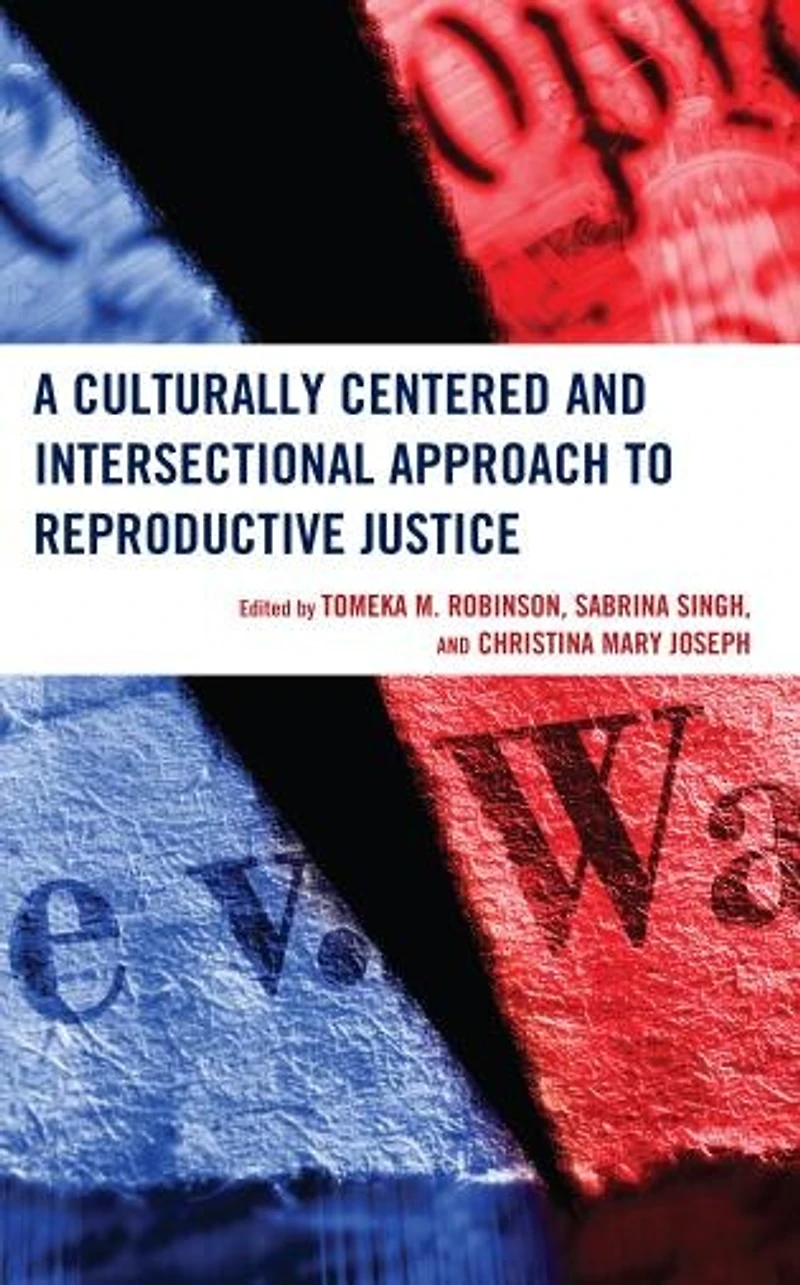
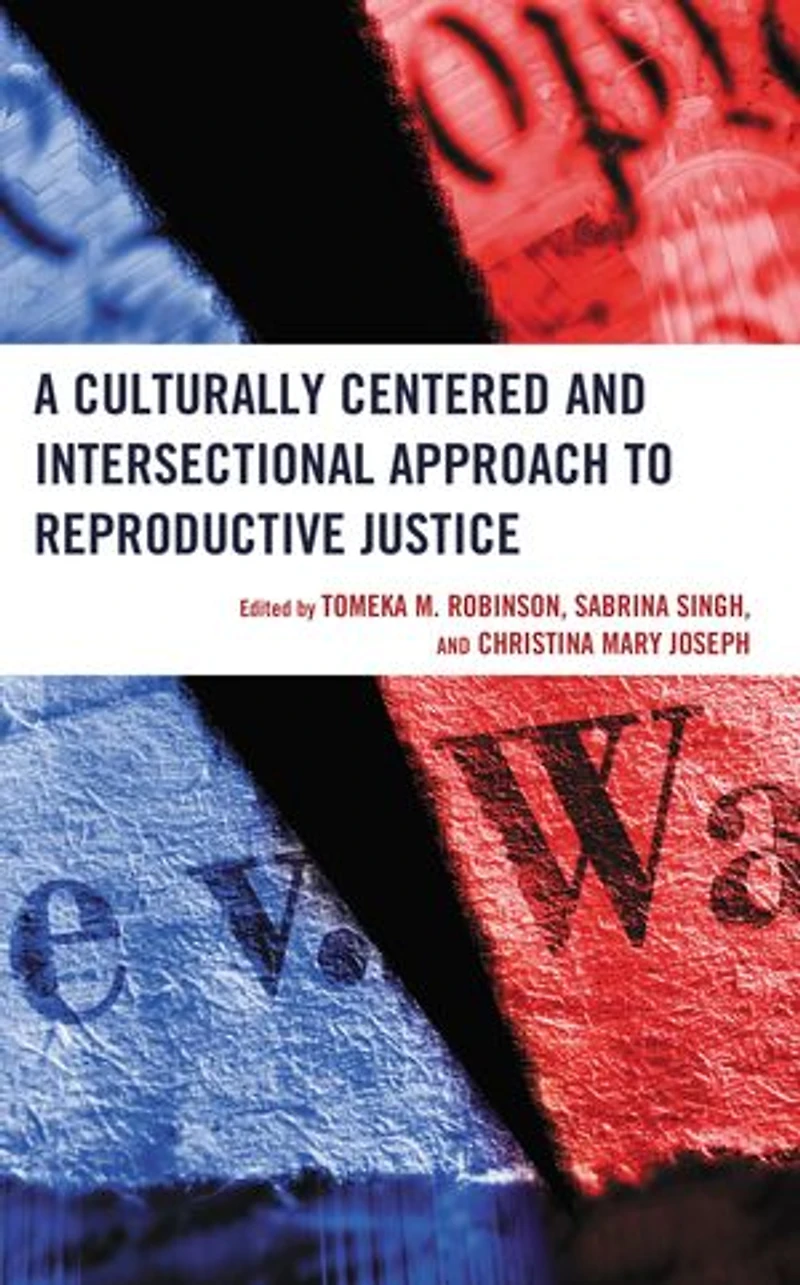
A Culturally Centered and Intersectional Approach to Reproductive Justice
Current price: $146.50

A Culturally Centered and Intersectional Approach to Reproductive Justice
Current price: $146.50
Loading Inventory...
Size: Hardcover
*Product information may vary - to confirm product availability, pricing, shipping and return information please contact Indigo
A Culturally-Centered and Intersectional Approach to Reproductive Justice investigates and challenges assumptions and pre-existing notions regarding reproductive justice by grounding this work in a more inclusive and culturally informed context. Throughout history, contributors argue, reproductive justice movements have centered white, cisgendered, and non-disabled women in the West. Along with women in the Global South being underrepresented in scholarship, research tends to focus only on the abuses they have suffered, rather than delving deeper into issues of structures, barriers, or agency. Each chapter is written from an autoethnographic perspective to unpack the contributors' challenges with achieving reproductive justice for themselves and their respective communities. Ultimately, this book asserts that when different facets of reproductive justice are presented in the form of narrative self-reflexivity, readers find a space to safely evaluate their positionality within the larger reproductive justice movement while simultaneously acknowledging the complexity of the movement itself. Scholars of communication, health, and women's and gender studies will find this book of particular interest.
A Culturally-Centered and Intersectional Approach to Reproductive Justice investigates and challenges assumptions and pre-existing notions regarding reproductive justice by grounding this work in a more inclusive and culturally informed context. Throughout history, contributors argue, reproductive justice movements have centered white, cisgendered, and non-disabled women in the West. Along with women in the Global South being underrepresented in scholarship, research tends to focus only on the abuses they have suffered, rather than delving deeper into issues of structures, barriers, or agency. Each chapter is written from an autoethnographic perspective to unpack the contributors' challenges with achieving reproductive justice for themselves and their respective communities. Ultimately, this book asserts that when different facets of reproductive justice are presented in the form of narrative self-reflexivity, readers find a space to safely evaluate their positionality within the larger reproductive justice movement while simultaneously acknowledging the complexity of the movement itself. Scholars of communication, health, and women's and gender studies will find this book of particular interest.
You May Also Like















More About Indigo at Erin Mills Town Centre
The largest book retailer in Canada also offers toys, music, home décor, gifts and lifestyle products. What's Inside...Books, Magazines, CD’s and DVD’s, Toys and Gifts, Home Accents, Electronics, Baby’s and Children’s Section, Bath and Body, Kitchen and Bedroom, Stationary Located outside in the exterior plaza.
5015 Glen Erin Dr, Mississauga, ON L5M 0R7, Canada
Find Indigo at Erin Mills Town Centre in Mississauga ON
Visit Indigo at Erin Mills Town Centre in Mississauga ON