

GIVE THE PERFECT GIFT
Erin Mills Town Centre Gift Cards are the perfect choice for your gift giving needs.Purchase gift cards at kiosks near the food court or centre court, at Guest Services, or click below to purchase online.PURCHASE HEREHome
A Cybernetic View of Biological Growth: The Maia Hypothesis
Indigo
Loading Inventory...
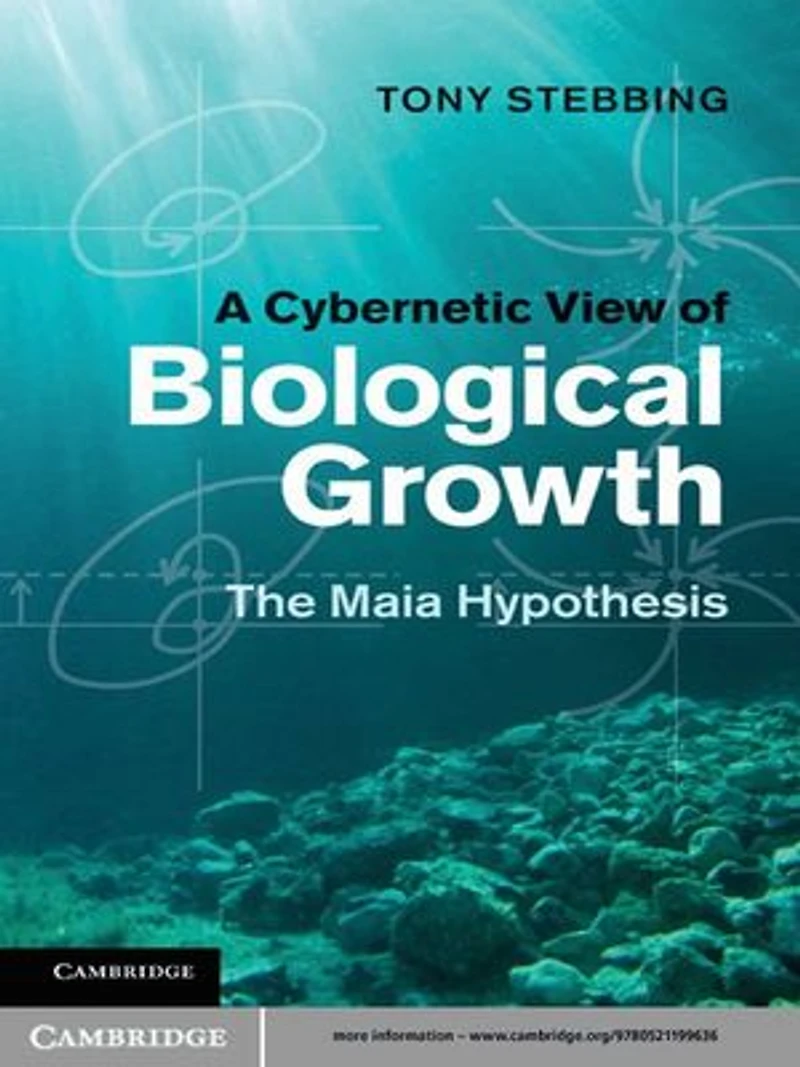
A Cybernetic View of Biological Growth: The Maia Hypothesis
Current price: $120.79
Original price: $150.95

A Cybernetic View of Biological Growth: The Maia Hypothesis
Current price: $120.79
Original price: $150.95
Loading Inventory...
Size: Kobo eBook
*Product information may vary - to confirm product availability, pricing, shipping and return information please contact Indigo
Maia is the story of an idea, and its development into a working hypothesis, that provides a cybernetic interpretation of how growth is controlled. Growth at the lowest level is controlled by regulating the rate of growth. Access to the output of control mechanisms is provided by perturbing the growing organism, and then filtering out the consequences to growth rate. The output of the growth control mechanism is then accessible for interpretation and modelling. Perturbation experiments have been used to provide interpretations of hormesis, the neutralization of inhibitory load and acquired tolerance to toxic inhibition, and catch-up growth. The account begins with an introduction to cybernetics covering the regulation of growth and population increase in animals and man and describes this new approach to access the control of growth processes. This book is suitable for postgraduate students of biological cybernetics and researchers of biological growth, endocrinology, population ecology and toxicology.
Maia is the story of an idea, and its development into a working hypothesis, that provides a cybernetic interpretation of how growth is controlled. Growth at the lowest level is controlled by regulating the rate of growth. Access to the output of control mechanisms is provided by perturbing the growing organism, and then filtering out the consequences to growth rate. The output of the growth control mechanism is then accessible for interpretation and modelling. Perturbation experiments have been used to provide interpretations of hormesis, the neutralization of inhibitory load and acquired tolerance to toxic inhibition, and catch-up growth. The account begins with an introduction to cybernetics covering the regulation of growth and population increase in animals and man and describes this new approach to access the control of growth processes. This book is suitable for postgraduate students of biological cybernetics and researchers of biological growth, endocrinology, population ecology and toxicology.
You May Also Like
















More About Indigo at Erin Mills Town Centre
The largest book retailer in Canada also offers toys, music, home décor, gifts and lifestyle products. What's Inside...Books, Magazines, CD’s and DVD’s, Toys and Gifts, Home Accents, Electronics, Baby’s and Children’s Section, Bath and Body, Kitchen and Bedroom, Stationary Located outside in the exterior plaza.
5015 Glen Erin Dr, Mississauga, ON L5M 0R7, Canada
Find Indigo at Erin Mills Town Centre in Mississauga ON
Visit Indigo at Erin Mills Town Centre in Mississauga ON