

GIVE THE PERFECT GIFT
Erin Mills Town Centre Gift Cards are the perfect choice for your gift giving needs.Purchase gift cards at kiosks near the food court or centre court, at Guest Services, or click below to purchase online.PURCHASE HEREHome
A David Montgomery Reader: Essays on Capitalism and Worker Resistance
Indigo
Loading Inventory...
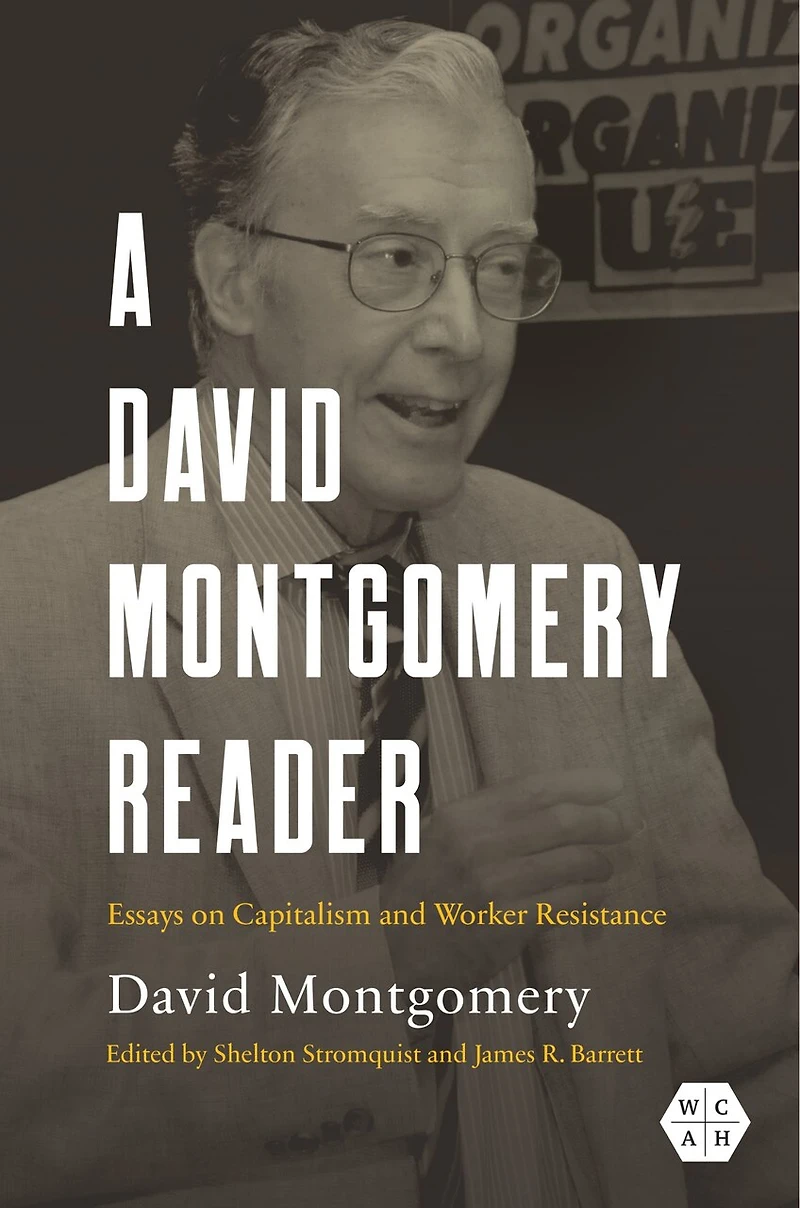
A David Montgomery Reader: Essays on Capitalism and Worker Resistance
Current price: $162.50

A David Montgomery Reader: Essays on Capitalism and Worker Resistance
Current price: $162.50
Loading Inventory...
Size: Hardcover
*Product information may vary - to confirm product availability, pricing, shipping and return information please contact Indigo
A foundational figure in modern labor history, David Montgomery both redefined and reoriented the field. This collection of Montgomery’s most important published and unpublished articles and essays draws from the historian’s entire five-decade career. Taken together, the writings trace the development of Montgomery’s distinct voice and approach while providing a crucial window into an era that changed the ways scholars and the public understood working people’s place in American history. Three overarching themes and methods emerge from these essays: that class provided a rich reservoir of ideas and strategies for workers to build movements aimed at claiming their democratic rights; that capital endured with the power to manage the contours of economic life and the capacities of the state but that workers repeatedly and creatively mounted challenges to the terms of life and work dictated by capital; and that Montgomery’s method grounded his gritty empiricism and the conceptual richness of his analysis in the intimate social relations of production and of community, neighborhood, and family life.
A foundational figure in modern labor history, David Montgomery both redefined and reoriented the field. This collection of Montgomery’s most important published and unpublished articles and essays draws from the historian’s entire five-decade career. Taken together, the writings trace the development of Montgomery’s distinct voice and approach while providing a crucial window into an era that changed the ways scholars and the public understood working people’s place in American history. Three overarching themes and methods emerge from these essays: that class provided a rich reservoir of ideas and strategies for workers to build movements aimed at claiming their democratic rights; that capital endured with the power to manage the contours of economic life and the capacities of the state but that workers repeatedly and creatively mounted challenges to the terms of life and work dictated by capital; and that Montgomery’s method grounded his gritty empiricism and the conceptual richness of his analysis in the intimate social relations of production and of community, neighborhood, and family life.
You May Also Like












More About Indigo at Erin Mills Town Centre
The largest book retailer in Canada also offers toys, music, home décor, gifts and lifestyle products. What's Inside...Books, Magazines, CD’s and DVD’s, Toys and Gifts, Home Accents, Electronics, Baby’s and Children’s Section, Bath and Body, Kitchen and Bedroom, Stationary Located outside in the exterior plaza.
5015 Glen Erin Dr, Mississauga, ON L5M 0R7, Canada
Find Indigo at Erin Mills Town Centre in Mississauga ON
Visit Indigo at Erin Mills Town Centre in Mississauga ON