

GIVE THE PERFECT GIFT
Erin Mills Town Centre Gift Cards are the perfect choice for your gift giving needs.Purchase gift cards at kiosks near the food court or centre court, at Guest Services, or click below to purchase online.PURCHASE HEREHome
A Decade of Namibia: Politics, Economy and Society – The Era Pohamba, 2004-2015
Indigo
Loading Inventory...
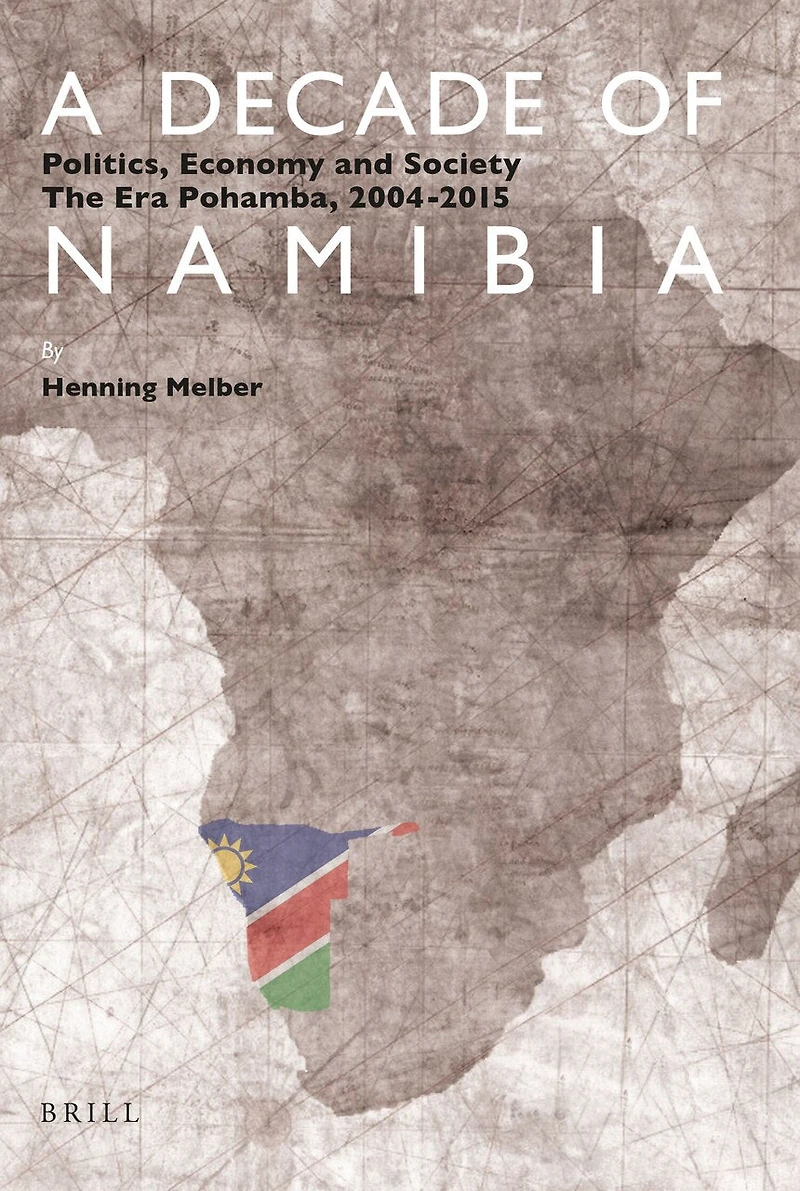
A Decade of Namibia: Politics, Economy and Society – The Era Pohamba, 2004-2015
Current price: $37.99

A Decade of Namibia: Politics, Economy and Society – The Era Pohamba, 2004-2015
Current price: $37.99
Loading Inventory...
Size: Paperback
*Product information may vary - to confirm product availability, pricing, shipping and return information please contact Indigo
Hifikepunye Pohamba has been the second Head of State since Namibia’s Independence in 1990. As successor to Sam Nujoma he held office for two terms from March 2005 to March 2015. At the end of his presidency he was awarded the Mo Ibrahim Prize for good governance as the fifth statesman of the continent. This overview covers the twelve years from his election in 2004 until his retirement as documented in the chapters previously published in the Africa Yearbook. Politics, Economy and Society South of the Sahara , reviewing Namibia’s development during his presidency. An introductory analysis putting the Pohamba era into the context of Namibian society precedes the chronological account.
Hifikepunye Pohamba has been the second Head of State since Namibia’s Independence in 1990. As successor to Sam Nujoma he held office for two terms from March 2005 to March 2015. At the end of his presidency he was awarded the Mo Ibrahim Prize for good governance as the fifth statesman of the continent. This overview covers the twelve years from his election in 2004 until his retirement as documented in the chapters previously published in the Africa Yearbook. Politics, Economy and Society South of the Sahara , reviewing Namibia’s development during his presidency. An introductory analysis putting the Pohamba era into the context of Namibian society precedes the chronological account.
You May Also Like








More About Indigo at Erin Mills Town Centre
The largest book retailer in Canada also offers toys, music, home décor, gifts and lifestyle products. What's Inside...Books, Magazines, CD’s and DVD’s, Toys and Gifts, Home Accents, Electronics, Baby’s and Children’s Section, Bath and Body, Kitchen and Bedroom, Stationary Located outside in the exterior plaza.
5015 Glen Erin Dr, Mississauga, ON L5M 0R7, Canada
Find Indigo at Erin Mills Town Centre in Mississauga ON
Visit Indigo at Erin Mills Town Centre in Mississauga ON