

GIVE THE PERFECT GIFT
Erin Mills Town Centre Gift Cards are the perfect choice for your gift giving needs.Purchase gift cards at kiosks near the food court or centre court, at Guest Services, or click below to purchase online.PURCHASE HEREHome
A Decent
Indigo
Loading Inventory...
A Decent
Current price: $21.69
Original price: $27.08

A Decent
Current price: $21.69
Original price: $27.08
Loading Inventory...
Size: Kobo eBook
*Product information may vary - to confirm product availability, pricing, shipping and return information please contact Indigo
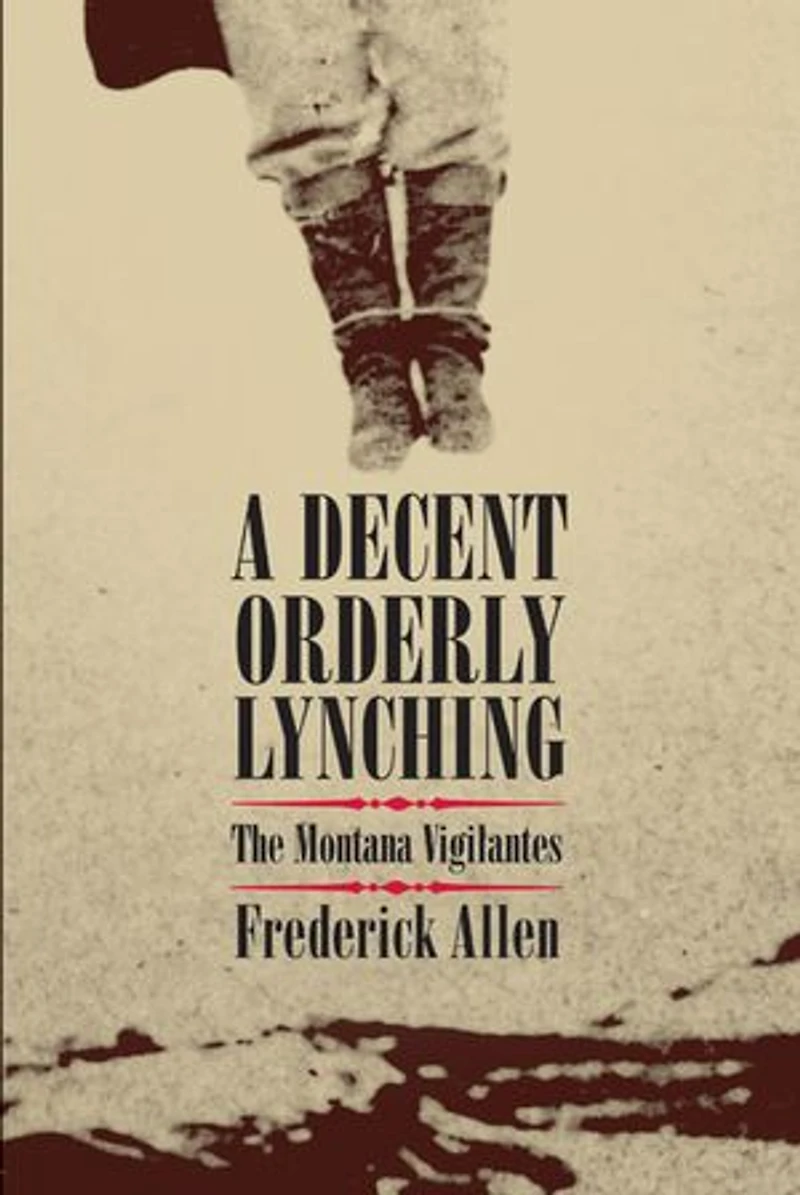
The deadliest campaign of vigilante justice in American history erupted in the Rocky Mountains during the Civil War when a private army hanged twenty-one troublemakers. Hailed as great heroes at the time, the Montana vigilantes are still revered as founding fathers.
Combing through original sources, including eye-witness accounts never before published, Frederick Allen concludes that the vigilantes were justified in their early actions, as they fought violent crime in a remote corner beyond the reach of government.
But Allen has uncovered evidence that the vigilantes refused to disband after territorial courts were in place. Remaining active for six years, they lynched more than fifty men without trials. Reliance on mob rule in Montana became so ingrained that in 1883, a Helena newspaper editor advocated a return to “decent, orderly lynching” as a legitimate tool of social control.
Allen’s sharply drawn characters, illustrated by dozens of photographs, are woven into a masterfully written narrative that will change textbook accounts of Montana’s early days—and challenge our thinking on the essence of justice.
The deadliest campaign of vigilante justice in American history erupted in the Rocky Mountains during the Civil War when a private army hanged twenty-one troublemakers. Hailed as great heroes at the time, the Montana vigilantes are still revered as founding fathers.
Combing through original sources, including eye-witness accounts never before published, Frederick Allen concludes that the vigilantes were justified in their early actions, as they fought violent crime in a remote corner beyond the reach of government.
But Allen has uncovered evidence that the vigilantes refused to disband after territorial courts were in place. Remaining active for six years, they lynched more than fifty men without trials. Reliance on mob rule in Montana became so ingrained that in 1883, a Helena newspaper editor advocated a return to “decent, orderly lynching” as a legitimate tool of social control.
Allen’s sharply drawn characters, illustrated by dozens of photographs, are woven into a masterfully written narrative that will change textbook accounts of Montana’s early days—and challenge our thinking on the essence of justice.
You May Also Like













More About Indigo at Erin Mills Town Centre
The largest book retailer in Canada also offers toys, music, home décor, gifts and lifestyle products. What's Inside...Books, Magazines, CD’s and DVD’s, Toys and Gifts, Home Accents, Electronics, Baby’s and Children’s Section, Bath and Body, Kitchen and Bedroom, Stationary Located outside in the exterior plaza.
5015 Glen Erin Dr, Mississauga, ON L5M 0R7, Canada
Find Indigo at Erin Mills Town Centre in Mississauga ON
Visit Indigo at Erin Mills Town Centre in Mississauga ON