

GIVE THE PERFECT GIFT
Erin Mills Town Centre Gift Cards are the perfect choice for your gift giving needs.Purchase gift cards at kiosks near the food court or centre court, at Guest Services, or click below to purchase online.PURCHASE HEREHome
A Degraded Caste of Society: Unequal Protection of the Law as a Badge of Slavery
Indigo
Loading Inventory...
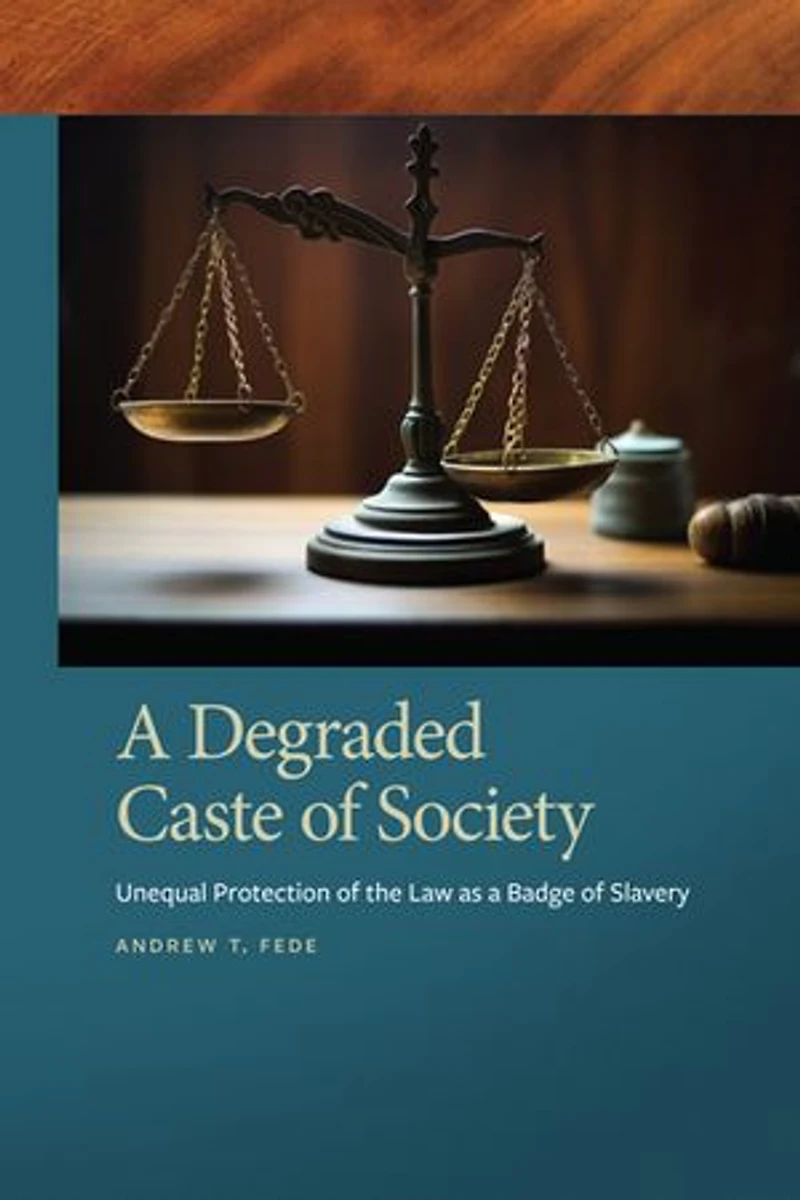
A Degraded Caste of Society: Unequal Protection of the Law as a Badge of Slavery
Current price: $61.89
Original price: $77.29

A Degraded Caste of Society: Unequal Protection of the Law as a Badge of Slavery
Current price: $61.89
Original price: $77.29
Loading Inventory...
Size: Kobo eBook
*Product information may vary - to confirm product availability, pricing, shipping and return information please contact Indigo
A Degraded Caste of Society traces the origins of twenty-first-century cases of interracial violence to the separate and unequal protection principles of the criminal law of enslavement in the southern United States. Andrew T. Fede explains how antebellum appellate court opinions and statutes, when read in a context that includes newspaper articles and trial court and census records, extended this doctrine to the South’s free Black people, consigning them to what South Carolina justice John Belton O’Neall called ?a degraded caste of society,? in which they were ?in no respect, on a perfect equality with the white man.?
This written law either criminalized Black insolence or privileged private white interracial violence, which became a badge of slavery that continued to influence the law in action, contrary to the Constitution’s mandate of equal protection of the criminal law. The U.S. Supreme Court enabled this denial of equal justice, as did Congress, which did not make all private white racially motivated violence a crime until 2009, when it adopted the Matthew Shepard and James Byrd Jr. Hate Crimes Prevention Act.
Fede’s analysis supports that law’s constitutionality under the Thirteenth Amendment, while suggesting why—during the Jim Crow era and beyond—equal protection of the criminal law was not always realized, and why the curse of interracial violence has been a lingering badge of slavery.
A Degraded Caste of Society traces the origins of twenty-first-century cases of interracial violence to the separate and unequal protection principles of the criminal law of enslavement in the southern United States. Andrew T. Fede explains how antebellum appellate court opinions and statutes, when read in a context that includes newspaper articles and trial court and census records, extended this doctrine to the South’s free Black people, consigning them to what South Carolina justice John Belton O’Neall called ?a degraded caste of society,? in which they were ?in no respect, on a perfect equality with the white man.?
This written law either criminalized Black insolence or privileged private white interracial violence, which became a badge of slavery that continued to influence the law in action, contrary to the Constitution’s mandate of equal protection of the criminal law. The U.S. Supreme Court enabled this denial of equal justice, as did Congress, which did not make all private white racially motivated violence a crime until 2009, when it adopted the Matthew Shepard and James Byrd Jr. Hate Crimes Prevention Act.
Fede’s analysis supports that law’s constitutionality under the Thirteenth Amendment, while suggesting why—during the Jim Crow era and beyond—equal protection of the criminal law was not always realized, and why the curse of interracial violence has been a lingering badge of slavery.
You May Also Like










More About Indigo at Erin Mills Town Centre
The largest book retailer in Canada also offers toys, music, home décor, gifts and lifestyle products. What's Inside...Books, Magazines, CD’s and DVD’s, Toys and Gifts, Home Accents, Electronics, Baby’s and Children’s Section, Bath and Body, Kitchen and Bedroom, Stationary Located outside in the exterior plaza.
5015 Glen Erin Dr, Mississauga, ON L5M 0R7, Canada
Find Indigo at Erin Mills Town Centre in Mississauga ON
Visit Indigo at Erin Mills Town Centre in Mississauga ON