

GIVE THE PERFECT GIFT
Erin Mills Town Centre Gift Cards are the perfect choice for your gift giving needs.Purchase gift cards at kiosks near the food court or centre court, at Guest Services, or click below to purchase online.PURCHASE HEREHome
A Detroit Story: Urban Decline And The Rise Of Property Informality
Indigo
Loading Inventory...
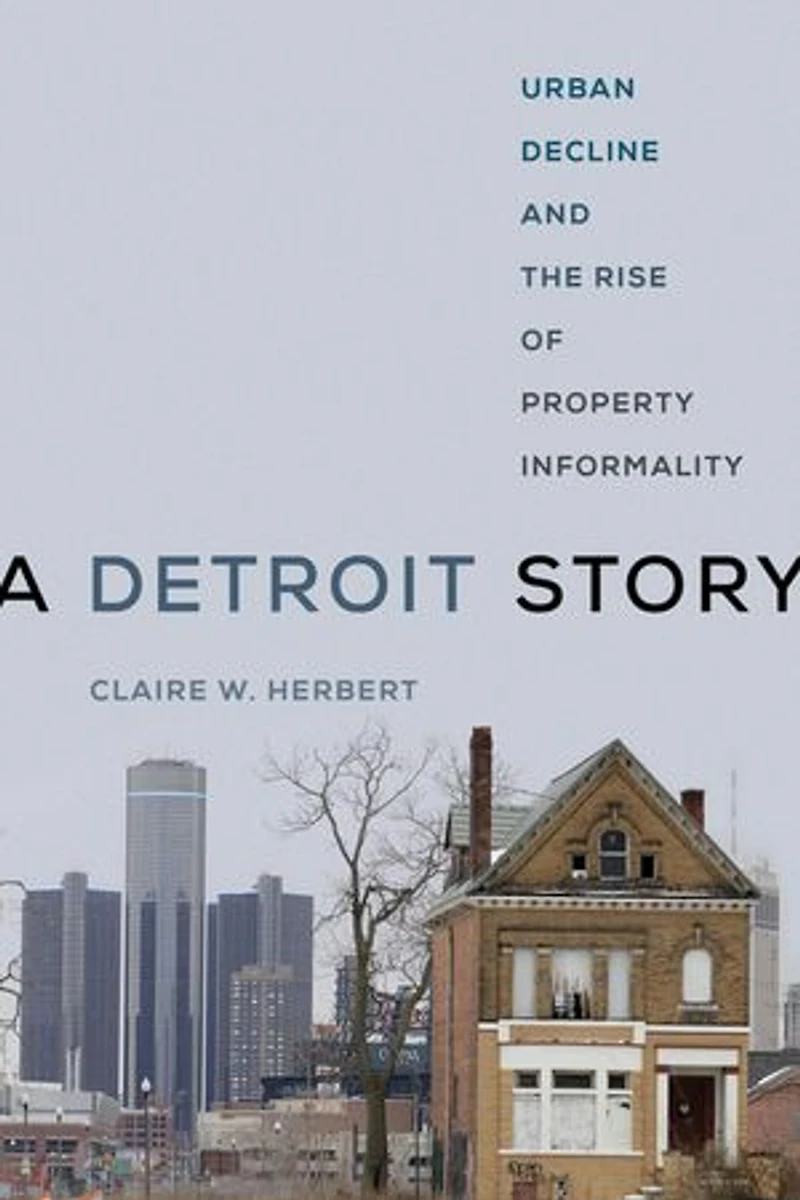
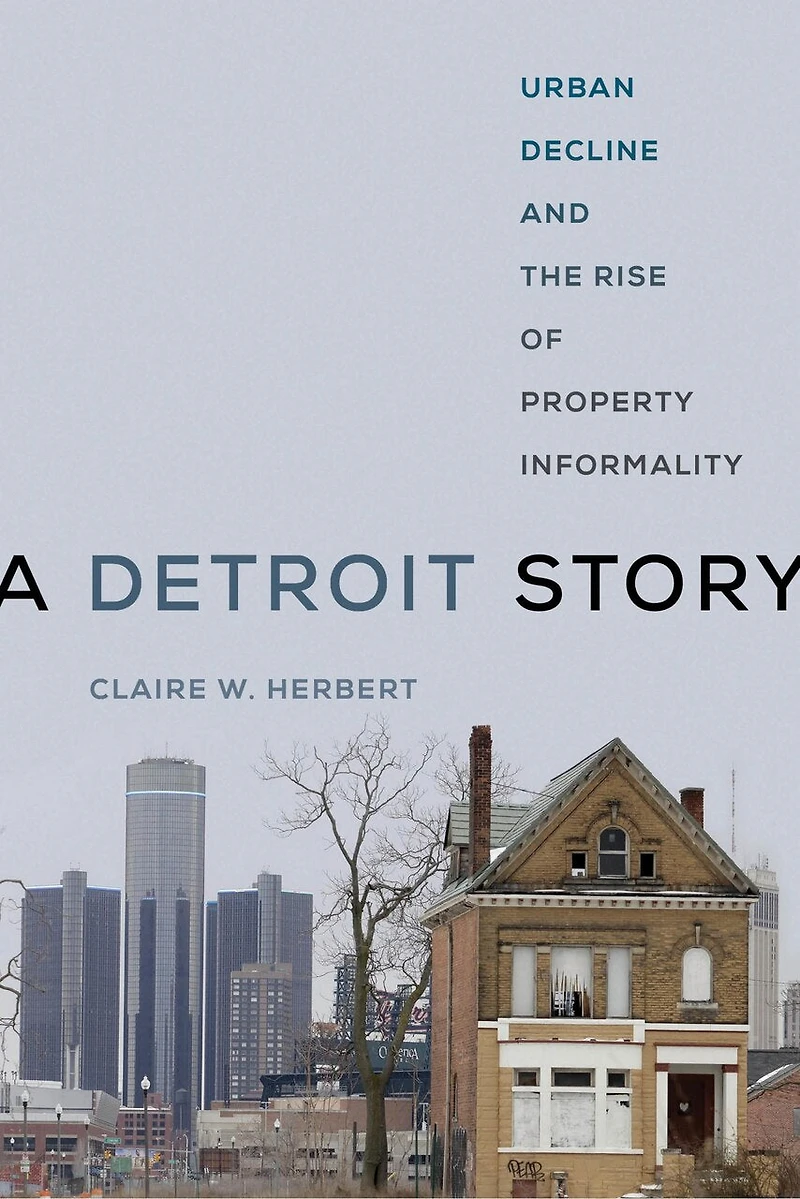
A Detroit Story: Urban Decline And The Rise Of Property Informality
Current price: $32.59
Original price: $40.65

A Detroit Story: Urban Decline And The Rise Of Property Informality
Current price: $32.59
Original price: $40.65
Loading Inventory...
Size: Kobo eBook
*Product information may vary - to confirm product availability, pricing, shipping and return information please contact Indigo
Bringing to the fore a wealth of original research, A Detroit Story examines how the informal reclamation of abandoned property has been shaping Detroit for decades. Claire Herbert lived in the city for almost five years to get a ground-view sense of how this process molds urban areas. She participated in community meetings and tax foreclosure protests, interviewed various groups, followed scrappers through abandoned buildings, and visited squatted houses and gardens. Herbert found that new residents with more privilege often have their back-to-the-earth practices formalized by local policies, whereas longtime, more disempowered residents, usually representing communities of color, have their practices labeled as illegal and illegitimate. She teases out how these divergent treatments reproduce long-standing inequalities in race, class, and property ownership.
Bringing to the fore a wealth of original research, A Detroit Story examines how the informal reclamation of abandoned property has been shaping Detroit for decades. Claire Herbert lived in the city for almost five years to get a ground-view sense of how this process molds urban areas. She participated in community meetings and tax foreclosure protests, interviewed various groups, followed scrappers through abandoned buildings, and visited squatted houses and gardens. Herbert found that new residents with more privilege often have their back-to-the-earth practices formalized by local policies, whereas longtime, more disempowered residents, usually representing communities of color, have their practices labeled as illegal and illegitimate. She teases out how these divergent treatments reproduce long-standing inequalities in race, class, and property ownership.
You May Also Like










More About Indigo at Erin Mills Town Centre
The largest book retailer in Canada also offers toys, music, home décor, gifts and lifestyle products. What's Inside...Books, Magazines, CD’s and DVD’s, Toys and Gifts, Home Accents, Electronics, Baby’s and Children’s Section, Bath and Body, Kitchen and Bedroom, Stationary Located outside in the exterior plaza.
5015 Glen Erin Dr, Mississauga, ON L5M 0R7, Canada
Find Indigo at Erin Mills Town Centre in Mississauga ON
Visit Indigo at Erin Mills Town Centre in Mississauga ON