

GIVE THE PERFECT GIFT
Erin Mills Town Centre Gift Cards are the perfect choice for your gift giving needs.Purchase gift cards at kiosks near the food court or centre court, at Guest Services, or click below to purchase online.PURCHASE HEREHome
A Dialectical Pedagogy of Revolt: Gramsci, Vygotsky, and the Egyptian Revolution
Indigo
Loading Inventory...
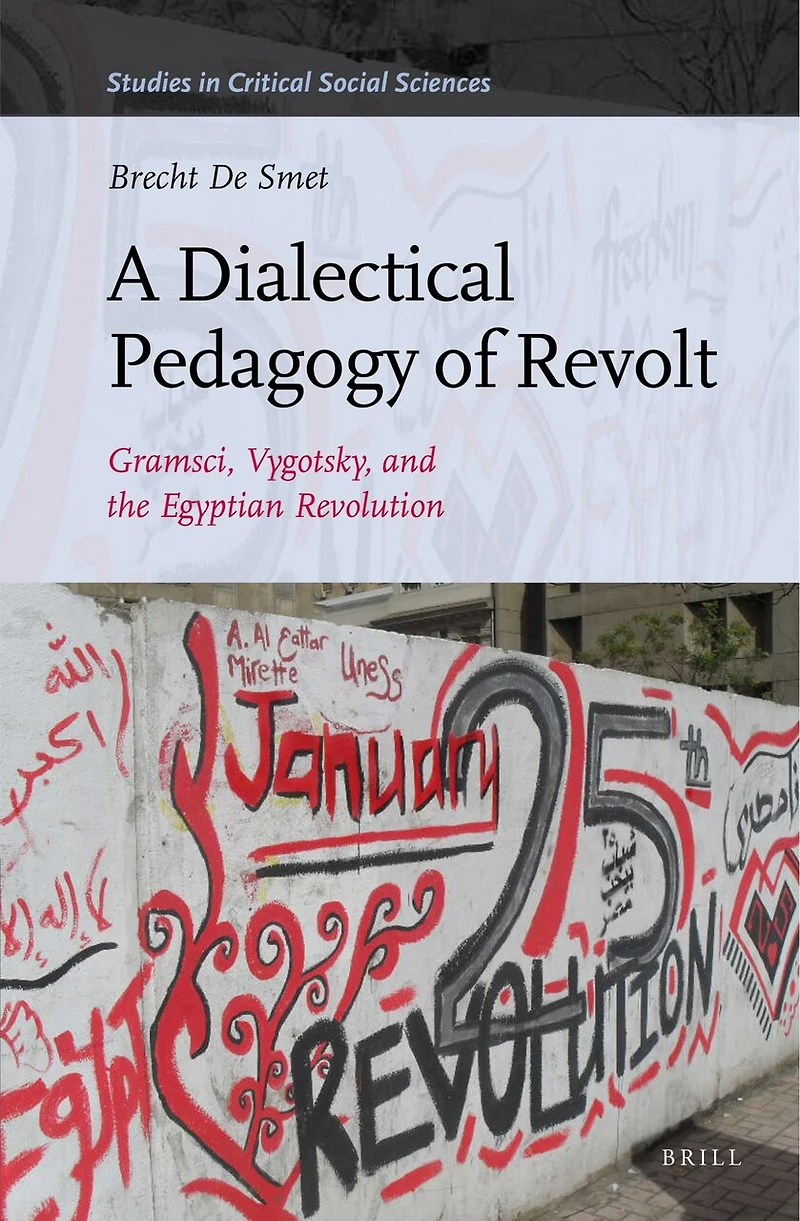
A Dialectical Pedagogy of Revolt: Gramsci, Vygotsky, and the Egyptian Revolution
Current price: $288.99

A Dialectical Pedagogy of Revolt: Gramsci, Vygotsky, and the Egyptian Revolution
Current price: $288.99
Loading Inventory...
Size: Hardcover
*Product information may vary - to confirm product availability, pricing, shipping and return information please contact Indigo
In A Dialectical Pedagogy of Revolt Brecht De Smet offers an intellectual dialogue between the political theory of Italian Marxist Antonio Gramsci and the cultural psychology of Soviet thinker Lev Vygotsky within the framework of the Egyptian 25 January Revolution. Their encounter affirms the enduring need for a coherent theory of the revolutionary subject in the era of global capitalism, based on a political pedagogy of subaltern hegemony, solidarity, and reciprocal education.
Investigating the political and economic lineages and outcomes of the mass uprising of Tahrir Square, De Smet discusses the emancipatory achievements and hegemonic failures of the Egyptian workers’ and civil democratic movements from the perspective of their (in)ability to construct a genuine dialectical pedagogy.
In A Dialectical Pedagogy of Revolt Brecht De Smet offers an intellectual dialogue between the political theory of Italian Marxist Antonio Gramsci and the cultural psychology of Soviet thinker Lev Vygotsky within the framework of the Egyptian 25 January Revolution. Their encounter affirms the enduring need for a coherent theory of the revolutionary subject in the era of global capitalism, based on a political pedagogy of subaltern hegemony, solidarity, and reciprocal education.
Investigating the political and economic lineages and outcomes of the mass uprising of Tahrir Square, De Smet discusses the emancipatory achievements and hegemonic failures of the Egyptian workers’ and civil democratic movements from the perspective of their (in)ability to construct a genuine dialectical pedagogy.
You May Also Like










More About Indigo at Erin Mills Town Centre
The largest book retailer in Canada also offers toys, music, home décor, gifts and lifestyle products. What's Inside...Books, Magazines, CD’s and DVD’s, Toys and Gifts, Home Accents, Electronics, Baby’s and Children’s Section, Bath and Body, Kitchen and Bedroom, Stationary Located outside in the exterior plaza.
5015 Glen Erin Dr, Mississauga, ON L5M 0R7, Canada
Find Indigo at Erin Mills Town Centre in Mississauga ON
Visit Indigo at Erin Mills Town Centre in Mississauga ON