

GIVE THE PERFECT GIFT
Erin Mills Town Centre Gift Cards are the perfect choice for your gift giving needs.Purchase gift cards at kiosks near the food court or centre court, at Guest Services, or click below to purchase online.PURCHASE HEREHome
A Dictionary of Literary Symbols
Indigo
Loading Inventory...
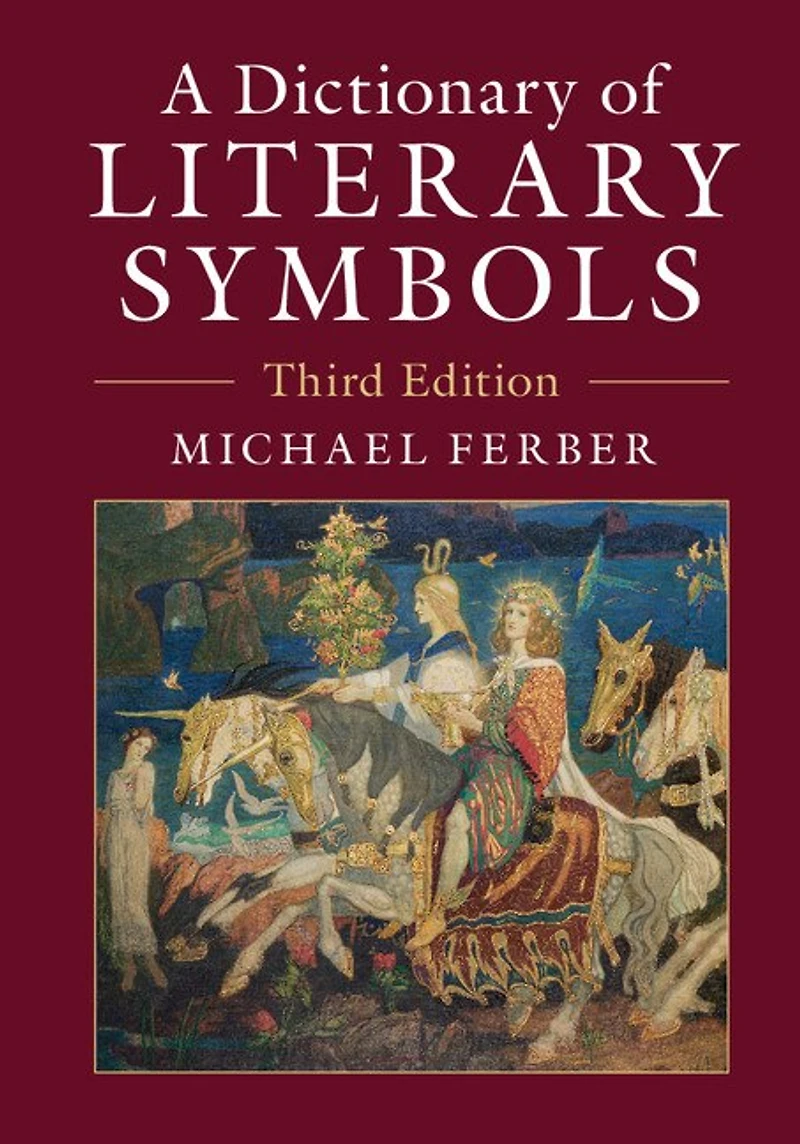
A Dictionary of Literary Symbols
Current price: $157.78

A Dictionary of Literary Symbols
Current price: $157.78
Loading Inventory...
Size: Hardcover
*Product information may vary - to confirm product availability, pricing, shipping and return information please contact Indigo
This is an expansion of the first dictionary of symbols to be based on literature, rather than on 'universal' psychological archetypes or myths. It explains and illustrates the literary symbols that we frequently encounter (such as swan, rose, moon, gold) and gives thousands of cross-references and quotations. The dictionary concentrates on English literature, but its entries range widely from the Bible and classical authors to the twentieth century, taking in American and European literatures. For this third edition, Michael Ferber has included some twenty completely new entries (such as birch, childbirth, grove, mill and railroad) and has added to many of the existing entries. Its rich references make this book an essential tool not only for literary and classical scholars but also for all students of literature.
This is an expansion of the first dictionary of symbols to be based on literature, rather than on 'universal' psychological archetypes or myths. It explains and illustrates the literary symbols that we frequently encounter (such as swan, rose, moon, gold) and gives thousands of cross-references and quotations. The dictionary concentrates on English literature, but its entries range widely from the Bible and classical authors to the twentieth century, taking in American and European literatures. For this third edition, Michael Ferber has included some twenty completely new entries (such as birch, childbirth, grove, mill and railroad) and has added to many of the existing entries. Its rich references make this book an essential tool not only for literary and classical scholars but also for all students of literature.
You May Also Like







More About Indigo at Erin Mills Town Centre
The largest book retailer in Canada also offers toys, music, home décor, gifts and lifestyle products. What's Inside...Books, Magazines, CD’s and DVD’s, Toys and Gifts, Home Accents, Electronics, Baby’s and Children’s Section, Bath and Body, Kitchen and Bedroom, Stationary Located outside in the exterior plaza.
5015 Glen Erin Dr, Mississauga, ON L5M 0R7, Canada
Find Indigo at Erin Mills Town Centre in Mississauga ON
Visit Indigo at Erin Mills Town Centre in Mississauga ON