

GIVE THE PERFECT GIFT
Erin Mills Town Centre Gift Cards are the perfect choice for your gift giving needs.Purchase gift cards at kiosks near the food court or centre court, at Guest Services, or click below to purchase online.PURCHASE HEREHome
A Discourse Analysis of First and Second Thessalonians: The Relationship between Two Authentic Pauline Letters
Indigo
Loading Inventory...
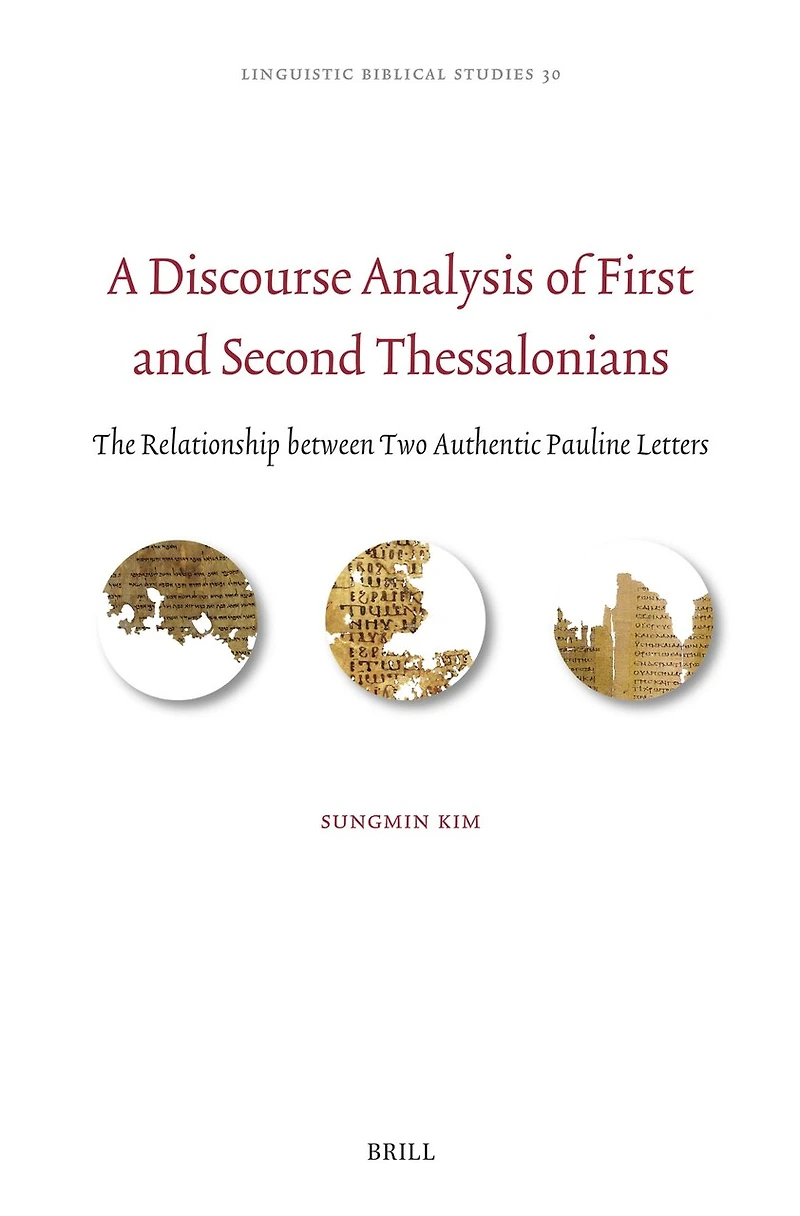
A Discourse Analysis of First and Second Thessalonians: The Relationship between Two Authentic Pauline Letters
Current price: $190.99

A Discourse Analysis of First and Second Thessalonians: The Relationship between Two Authentic Pauline Letters
Current price: $190.99
Loading Inventory...
Size: Hardcover
*Product information may vary - to confirm product availability, pricing, shipping and return information please contact Indigo
Applying discourse analysis within the framework of Systemic Functional Linguistics (SFL), this study offers a fresh reexamination of the textual and contextual relationship between First and Second Thessalonians. Through register analysis—a key component of SFL discourse analysis—it uncovers a unified linguistic profile across both letters, characterized by pastoral consistency, relational coherence, and structural clarity. By challenging traditional assumptions of textual and situational divergence, it offers a linguistically grounded evaluation of the Pauline authorship debate concerning the Thessalonian correspondence. Combining methodological rigor with accessibility, the study invites readers in New Testament studies, biblical linguistics, and early Christian discourse to engage these foundational Pauline letters—textually, contextually, and with renewed insight.
Applying discourse analysis within the framework of Systemic Functional Linguistics (SFL), this study offers a fresh reexamination of the textual and contextual relationship between First and Second Thessalonians. Through register analysis—a key component of SFL discourse analysis—it uncovers a unified linguistic profile across both letters, characterized by pastoral consistency, relational coherence, and structural clarity. By challenging traditional assumptions of textual and situational divergence, it offers a linguistically grounded evaluation of the Pauline authorship debate concerning the Thessalonian correspondence. Combining methodological rigor with accessibility, the study invites readers in New Testament studies, biblical linguistics, and early Christian discourse to engage these foundational Pauline letters—textually, contextually, and with renewed insight.
You May Also Like













More About Indigo at Erin Mills Town Centre
The largest book retailer in Canada also offers toys, music, home décor, gifts and lifestyle products. What's Inside...Books, Magazines, CD’s and DVD’s, Toys and Gifts, Home Accents, Electronics, Baby’s and Children’s Section, Bath and Body, Kitchen and Bedroom, Stationary Located outside in the exterior plaza.
5015 Glen Erin Dr, Mississauga, ON L5M 0R7, Canada
Find Indigo at Erin Mills Town Centre in Mississauga ON
Visit Indigo at Erin Mills Town Centre in Mississauga ON