

GIVE THE PERFECT GIFT
Erin Mills Town Centre Gift Cards are the perfect choice for your gift giving needs.Purchase gift cards at kiosks near the food court or centre court, at Guest Services, or click below to purchase online.PURCHASE HEREHome
A Discourse on the Plague
Indigo
Loading Inventory...

A Discourse on the Plague
Current price: $2.99

A Discourse on the Plague
Current price: $2.99
Loading Inventory...
Size: Kobo eBook
*Product information may vary - to confirm product availability, pricing, shipping and return information please contact Indigo
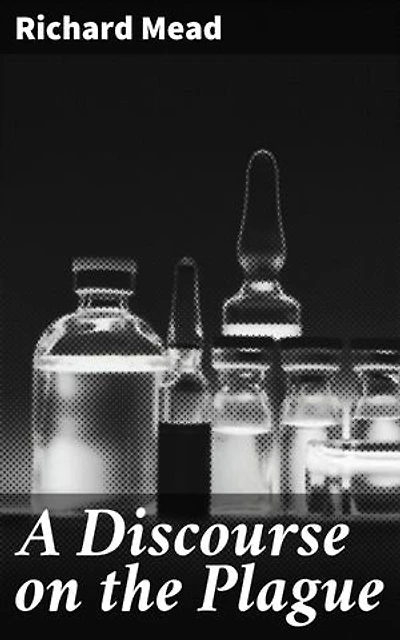
Richard Mead's "A Discourse on the Plague" presents a meticulous examination of the bubonic plague, intertwining empirical observations with philosophical reflections on disease and health. Written in the early 18th century, Mead employs a blend of didactic prose and medical treatise, illustrating the socio-political and cultural ramifications of outbreaks. His work is positioned within the burgeoning field of public health and reflects the Enlightenment's emphasis on reason and observation, making it a critical contribution to the understanding of pandemics and their societal impacts. Richard Mead, a prominent physician of his time, was influenced by the scientific advancements of the early modern era and the palpable fear surrounding epidemic diseases. His practical experience in medicine, alongside his classical education, equipped him to address not merely the biological facets of the plague but also its broader societal implications. Mead's expert knowledge allowed him to build upon the existing medical literature while advocating for rational public health measures. This book is a compelling read for anyone interested in the historical context of epidemics and their enduring relevance. Mead's eloquent style and comprehensive insights make it an indispensable text for scholars of public health and history, as well as for general readers seeking a deeper understanding of humanity's enduring battle with infectious diseases.
Richard Mead's "A Discourse on the Plague" presents a meticulous examination of the bubonic plague, intertwining empirical observations with philosophical reflections on disease and health. Written in the early 18th century, Mead employs a blend of didactic prose and medical treatise, illustrating the socio-political and cultural ramifications of outbreaks. His work is positioned within the burgeoning field of public health and reflects the Enlightenment's emphasis on reason and observation, making it a critical contribution to the understanding of pandemics and their societal impacts. Richard Mead, a prominent physician of his time, was influenced by the scientific advancements of the early modern era and the palpable fear surrounding epidemic diseases. His practical experience in medicine, alongside his classical education, equipped him to address not merely the biological facets of the plague but also its broader societal implications. Mead's expert knowledge allowed him to build upon the existing medical literature while advocating for rational public health measures. This book is a compelling read for anyone interested in the historical context of epidemics and their enduring relevance. Mead's eloquent style and comprehensive insights make it an indispensable text for scholars of public health and history, as well as for general readers seeking a deeper understanding of humanity's enduring battle with infectious diseases.
You May Also Like















More About Indigo at Erin Mills Town Centre
The largest book retailer in Canada also offers toys, music, home décor, gifts and lifestyle products. What's Inside...Books, Magazines, CD’s and DVD’s, Toys and Gifts, Home Accents, Electronics, Baby’s and Children’s Section, Bath and Body, Kitchen and Bedroom, Stationary Located outside in the exterior plaza.
5015 Glen Erin Dr, Mississauga, ON L5M 0R7, Canada
Find Indigo at Erin Mills Town Centre in Mississauga ON
Visit Indigo at Erin Mills Town Centre in Mississauga ON