

GIVE THE PERFECT GIFT
Erin Mills Town Centre Gift Cards are the perfect choice for your gift giving needs.Purchase gift cards at kiosks near the food court or centre court, at Guest Services, or click below to purchase online.PURCHASE HEREHome
A Discourse Upon the Origin and the Foundation of the Inequality Among Mankind
Indigo
Loading Inventory...
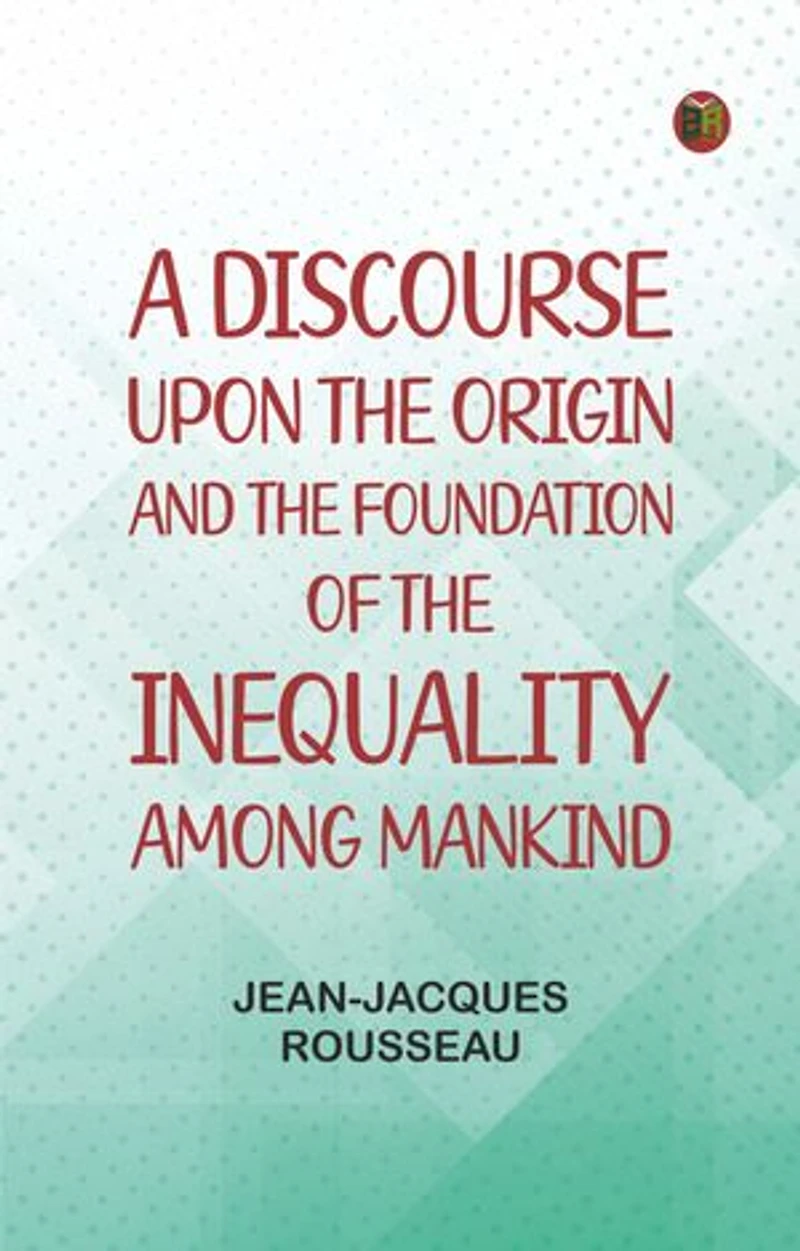
A Discourse Upon the Origin and the Foundation of the Inequality Among Mankind
Current price: $1.29

A Discourse Upon the Origin and the Foundation of the Inequality Among Mankind
Current price: $1.29
Loading Inventory...
Size: Kobo eBook
*Product information may vary - to confirm product availability, pricing, shipping and return information please contact Indigo
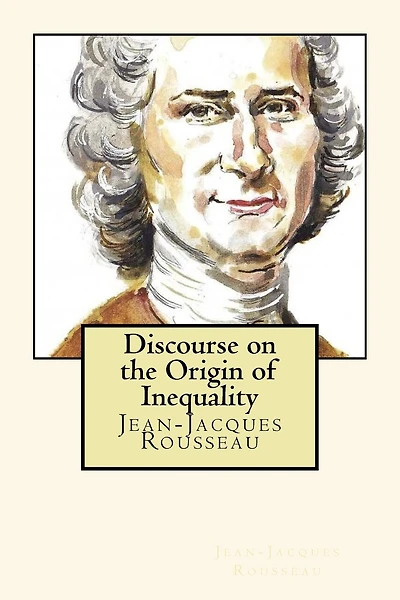
"A Discourse Upon the Origin and the Foundation of the Inequality Among Mankind" by Jean-Jacques Rousseau is a profound philosophical work that explores the nature of human inequality. Rousseau examines the social and political structures that contribute to disparities among individuals, arguing that much of this inequality is not natural but rather a product of societal conventions. He contrasts the state of nature, where humans are free and equal, with the complexities of civilized society, which he believes corrupts human beings and creates artificial hierarchies.***In this discourse, Rousseau delves into the historical development of human societies, critiquing the emergence of property and the resulting social stratification. He posits that the establishment of private property led to competition, jealousy, and conflict, fundamentally altering human relationships. Rousseau's insights challenge readers to reconsider the foundations of social order and the moral implications of inequality, making this work a cornerstone of Enlightenment thought and a significant influence on modern political philosophy.
"A Discourse Upon the Origin and the Foundation of the Inequality Among Mankind" by Jean-Jacques Rousseau is a profound philosophical work that explores the nature of human inequality. Rousseau examines the social and political structures that contribute to disparities among individuals, arguing that much of this inequality is not natural but rather a product of societal conventions. He contrasts the state of nature, where humans are free and equal, with the complexities of civilized society, which he believes corrupts human beings and creates artificial hierarchies.***In this discourse, Rousseau delves into the historical development of human societies, critiquing the emergence of property and the resulting social stratification. He posits that the establishment of private property led to competition, jealousy, and conflict, fundamentally altering human relationships. Rousseau's insights challenge readers to reconsider the foundations of social order and the moral implications of inequality, making this work a cornerstone of Enlightenment thought and a significant influence on modern political philosophy.
You May Also Like







More About Indigo at Erin Mills Town Centre
The largest book retailer in Canada also offers toys, music, home décor, gifts and lifestyle products. What's Inside...Books, Magazines, CD’s and DVD’s, Toys and Gifts, Home Accents, Electronics, Baby’s and Children’s Section, Bath and Body, Kitchen and Bedroom, Stationary Located outside in the exterior plaza.
5015 Glen Erin Dr, Mississauga, ON L5M 0R7, Canada
Find Indigo at Erin Mills Town Centre in Mississauga ON
Visit Indigo at Erin Mills Town Centre in Mississauga ON