

GIVE THE PERFECT GIFT
Erin Mills Town Centre Gift Cards are the perfect choice for your gift giving needs.Purchase gift cards at kiosks near the food court or centre court, at Guest Services, or click below to purchase online.PURCHASE HEREHome
A Disquisition on Government Lib/E
Indigo
Loading Inventory...
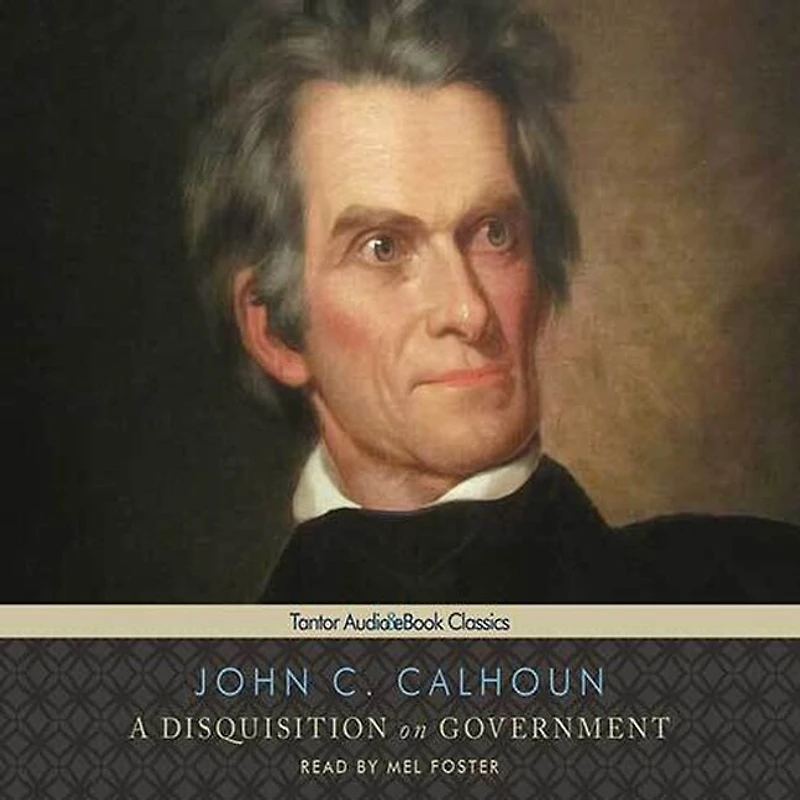
A Disquisition on Government Lib/E
Current price: $15.95

A Disquisition on Government Lib/E
Current price: $15.95
Loading Inventory...
Size: Audiobook (2011 A)
*Product information may vary - to confirm product availability, pricing, shipping and return information please contact Indigo
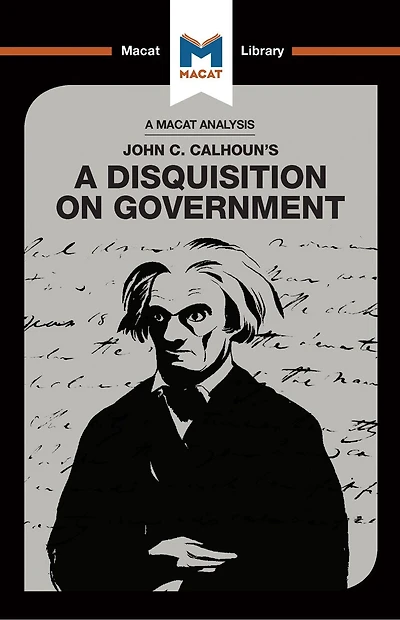
Written between 1843 and 1848, John C. Calhoun's A Disquisition on Government addresses such diverse issues as states' rights and nullification, slavery, and the growth of the federal judicial power. Articulating Calhoun's perspective on government as seen from the point of view of a permanent minority (the South), A Disquisition on Government relies on the doctrine of a concurrent majority. Calhoun's concurrent majority captures the idea that because unchecked majority rule can lead to tyranny over minority interests, minority groups should possess veto power government actions that affect them. Although Calhoun primarily intended this doctrine as a justification for slavery, the broader idea of a concurrent majority as a protection for minority rights has since become a pillar of American political thought.
Written between 1843 and 1848, John C. Calhoun's A Disquisition on Government addresses such diverse issues as states' rights and nullification, slavery, and the growth of the federal judicial power. Articulating Calhoun's perspective on government as seen from the point of view of a permanent minority (the South), A Disquisition on Government relies on the doctrine of a concurrent majority. Calhoun's concurrent majority captures the idea that because unchecked majority rule can lead to tyranny over minority interests, minority groups should possess veto power government actions that affect them. Although Calhoun primarily intended this doctrine as a justification for slavery, the broader idea of a concurrent majority as a protection for minority rights has since become a pillar of American political thought.
You May Also Like
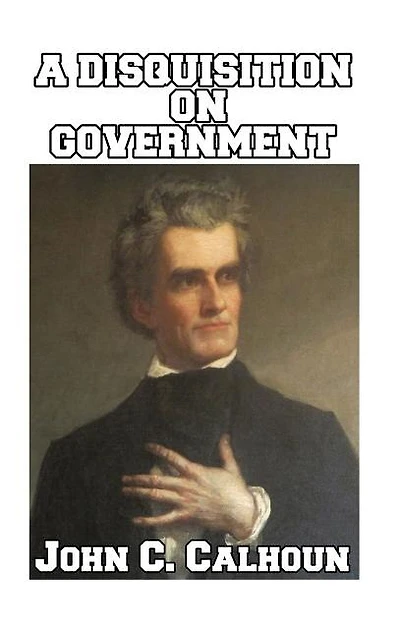









More About Indigo at Erin Mills Town Centre
The largest book retailer in Canada also offers toys, music, home décor, gifts and lifestyle products. What's Inside...Books, Magazines, CD’s and DVD’s, Toys and Gifts, Home Accents, Electronics, Baby’s and Children’s Section, Bath and Body, Kitchen and Bedroom, Stationary Located outside in the exterior plaza.
5015 Glen Erin Dr, Mississauga, ON L5M 0R7, Canada
Find Indigo at Erin Mills Town Centre in Mississauga ON
Visit Indigo at Erin Mills Town Centre in Mississauga ON