

GIVE THE PERFECT GIFT
Erin Mills Town Centre Gift Cards are the perfect choice for your gift giving needs.Purchase gift cards at kiosks near the food court or centre court, at Guest Services, or click below to purchase online.PURCHASE HEREHome
A Europe of Courts, a Europe of Factions
Indigo
Loading Inventory...
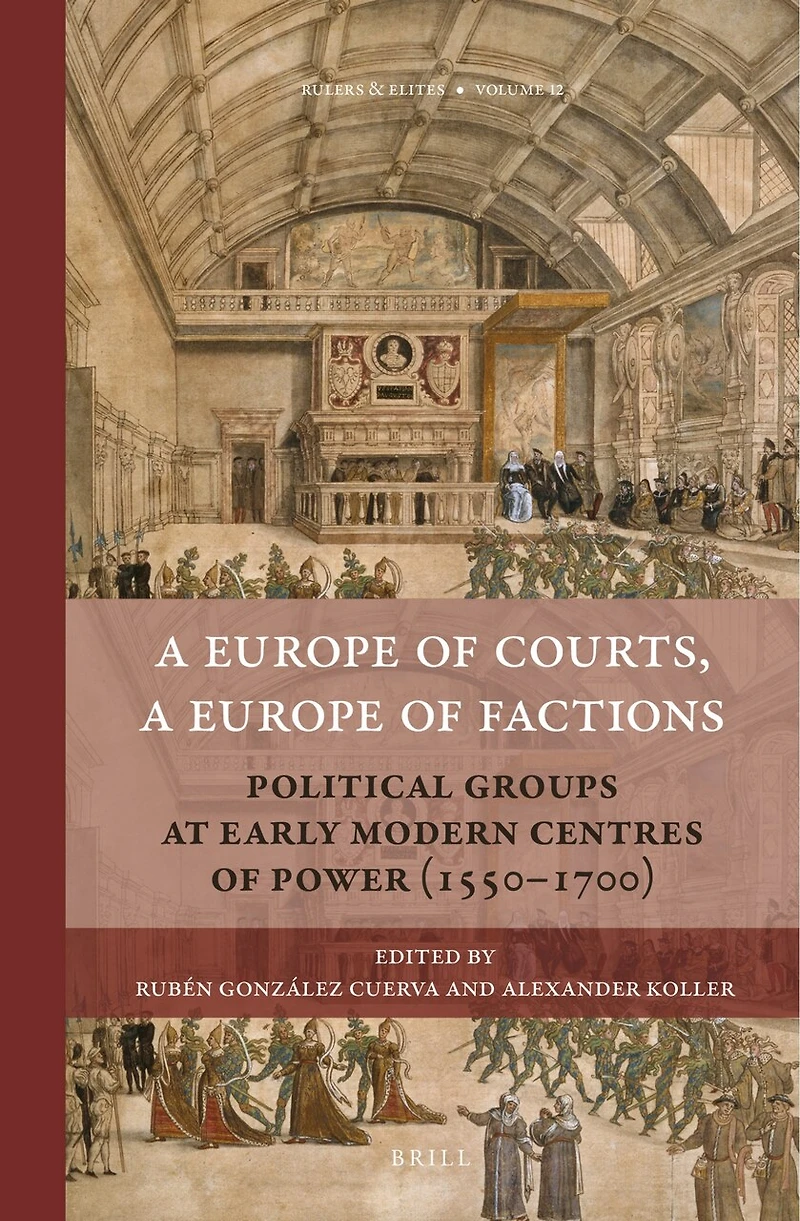
A Europe of Courts, a Europe of Factions
Current price: $202.99

A Europe of Courts, a Europe of Factions
Current price: $202.99
Loading Inventory...
Size: Hardcover
*Product information may vary - to confirm product availability, pricing, shipping and return information please contact Indigo
In A Europe of Courts, a Europe of Factions the contributors offer an analysis of the political groups of the most representative European courts of the sixteenth and seventeenth centuries. Transcending individual cases, this collection presents the first comparative overview of the phenomenon of court factionalism.
Through original research and a critical approach, González Cuerva and Koller explore in depth the emergence, coexistence and image of court factions. This contribution to the debate on the nature of early modern policy-making is enriched with a European-wide focus, which allows comparison of the circumstantial and micropolitical factors accounting for the spread of factions and the conditions in which they functioned. It also allows partisan sources to be examined with the necessary caution.
Contributors are Stefano Andretta, Janet Dickinson, Luc Duerloo, Pavel Marek, José Martínez Millán, Toby Osborne, David Potter, Jonathan Spangler, Evrim Türkçelik, and Maria Antonietta Visceglia.
In A Europe of Courts, a Europe of Factions the contributors offer an analysis of the political groups of the most representative European courts of the sixteenth and seventeenth centuries. Transcending individual cases, this collection presents the first comparative overview of the phenomenon of court factionalism.
Through original research and a critical approach, González Cuerva and Koller explore in depth the emergence, coexistence and image of court factions. This contribution to the debate on the nature of early modern policy-making is enriched with a European-wide focus, which allows comparison of the circumstantial and micropolitical factors accounting for the spread of factions and the conditions in which they functioned. It also allows partisan sources to be examined with the necessary caution.
Contributors are Stefano Andretta, Janet Dickinson, Luc Duerloo, Pavel Marek, José Martínez Millán, Toby Osborne, David Potter, Jonathan Spangler, Evrim Türkçelik, and Maria Antonietta Visceglia.
You May Also Like














More About Indigo at Erin Mills Town Centre
The largest book retailer in Canada also offers toys, music, home décor, gifts and lifestyle products. What's Inside...Books, Magazines, CD’s and DVD’s, Toys and Gifts, Home Accents, Electronics, Baby’s and Children’s Section, Bath and Body, Kitchen and Bedroom, Stationary Located outside in the exterior plaza.
5015 Glen Erin Dr, Mississauga, ON L5M 0R7, Canada
Find Indigo at Erin Mills Town Centre in Mississauga ON
Visit Indigo at Erin Mills Town Centre in Mississauga ON