

GIVE THE PERFECT GIFT
Erin Mills Town Centre Gift Cards are the perfect choice for your gift giving needs.Purchase gift cards at kiosks near the food court or centre court, at Guest Services, or click below to purchase online.PURCHASE HEREHome
A Feminist I: Reflections from Academia
Indigo
Loading Inventory...
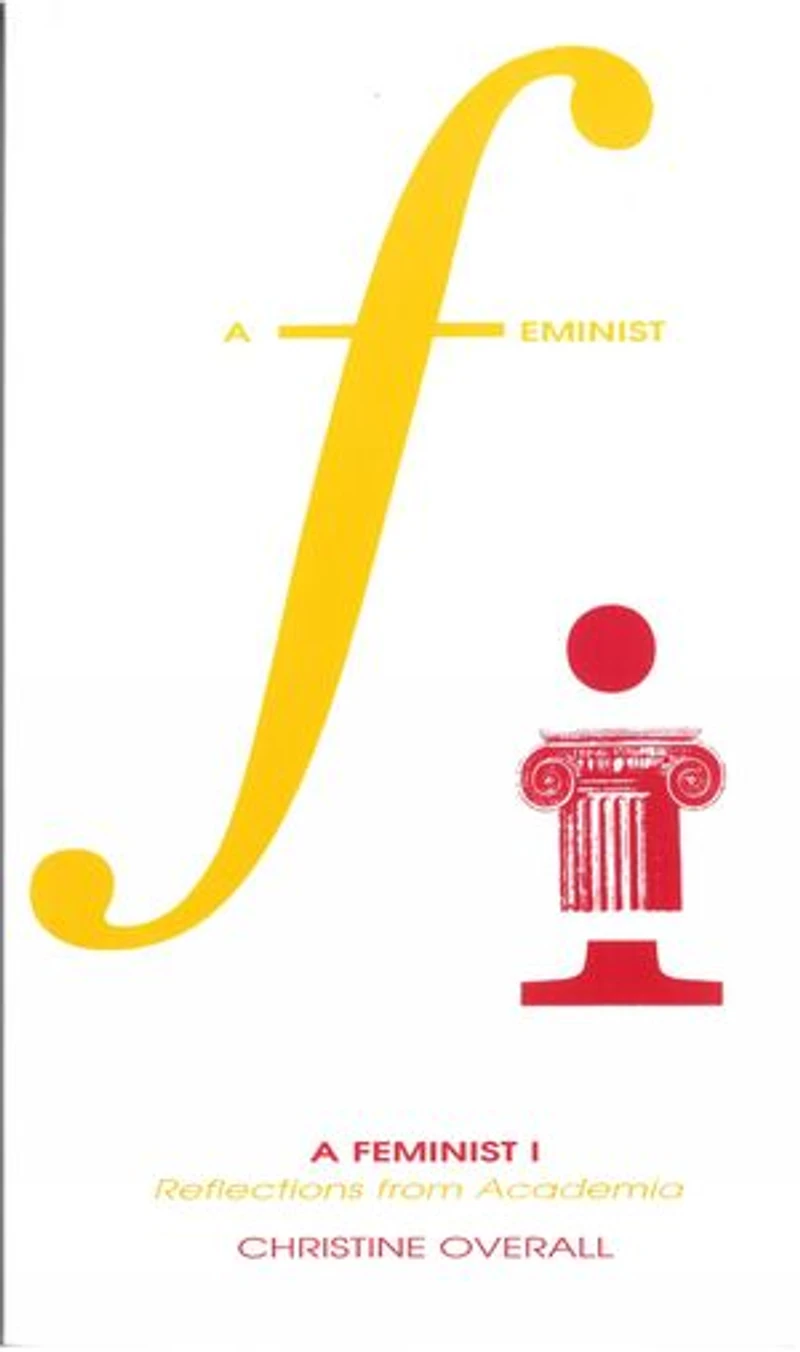
A Feminist I: Reflections from Academia
Current price: $30.99

A Feminist I: Reflections from Academia
Current price: $30.99
Loading Inventory...
Size: Kobo eBook
*Product information may vary - to confirm product availability, pricing, shipping and return information please contact Indigo
Our universities are the locus of ongoing debates over the politics of gender, of class, of disadvantage and disability—and over the issue of "political correctness." In A Feminist I Christine Overall offers wide-ranging reflections from a first-person point of view on these issues, and on the politics of the modern university itself. In doing so she continually returns to underlying epistemological concerns. What are our assumptions about the ways in which knowledge is constructed? To what degree are our perceptions shaped by our social roles and identities? In the past generation feminists have led the way in recognising the importance of such questions, and recognising too the ways in which personal experience may be an invaluable reference point in academic theory and practice. But reliance on personal experience is fraught with problems; how is one to deal with tensions between the autobiographical and the analytic? This book points the way to resolving some of those tensions, and to fruitfully sustaining others. It is a book of considerable insight, warm humanity, and genuine importance.
Our universities are the locus of ongoing debates over the politics of gender, of class, of disadvantage and disability—and over the issue of "political correctness." In A Feminist I Christine Overall offers wide-ranging reflections from a first-person point of view on these issues, and on the politics of the modern university itself. In doing so she continually returns to underlying epistemological concerns. What are our assumptions about the ways in which knowledge is constructed? To what degree are our perceptions shaped by our social roles and identities? In the past generation feminists have led the way in recognising the importance of such questions, and recognising too the ways in which personal experience may be an invaluable reference point in academic theory and practice. But reliance on personal experience is fraught with problems; how is one to deal with tensions between the autobiographical and the analytic? This book points the way to resolving some of those tensions, and to fruitfully sustaining others. It is a book of considerable insight, warm humanity, and genuine importance.
You May Also Like














More About Indigo at Erin Mills Town Centre
The largest book retailer in Canada also offers toys, music, home décor, gifts and lifestyle products. What's Inside...Books, Magazines, CD’s and DVD’s, Toys and Gifts, Home Accents, Electronics, Baby’s and Children’s Section, Bath and Body, Kitchen and Bedroom, Stationary Located outside in the exterior plaza.
5015 Glen Erin Dr, Mississauga, ON L5M 0R7, Canada
Find Indigo at Erin Mills Town Centre in Mississauga ON
Visit Indigo at Erin Mills Town Centre in Mississauga ON