

GIVE THE PERFECT GIFT
Erin Mills Town Centre Gift Cards are the perfect choice for your gift giving needs.Purchase gift cards at kiosks near the food court or centre court, at Guest Services, or click below to purchase online.PURCHASE HEREHome
A Fictional Commons: Natsume Soseki and the Properties of Modern Literature
Indigo
Loading Inventory...
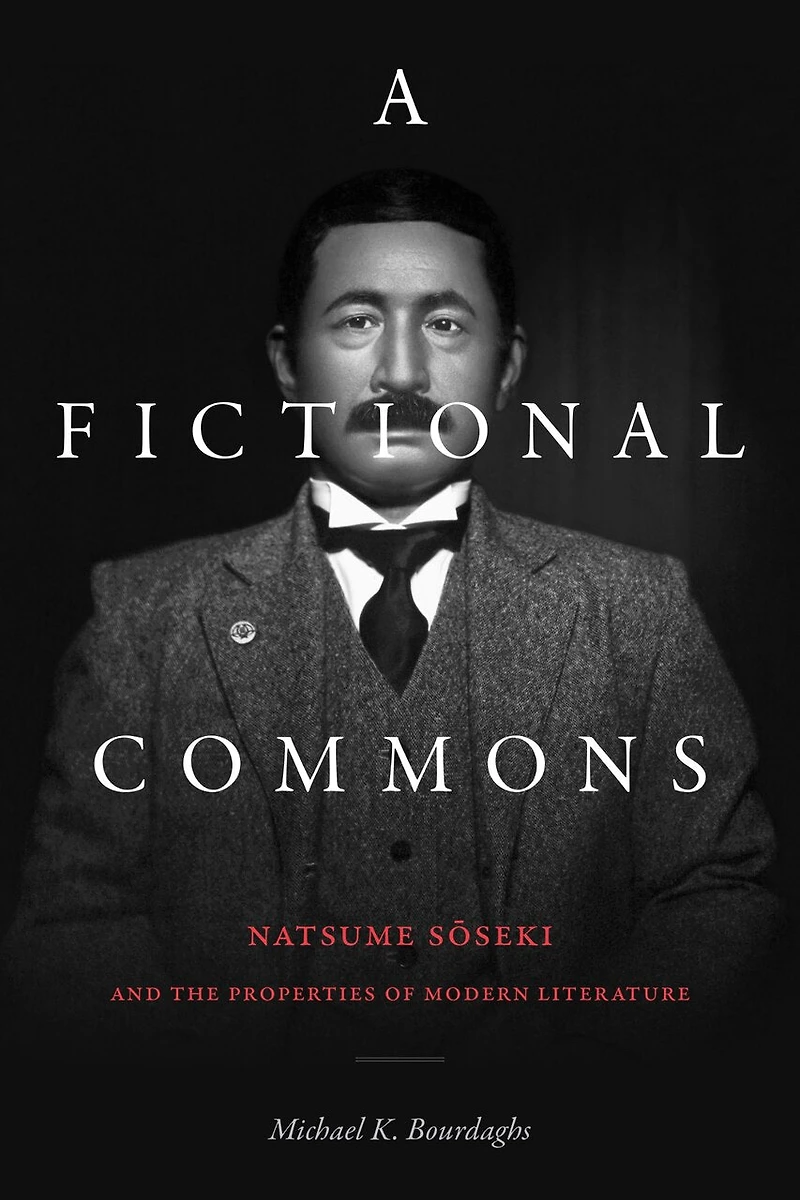
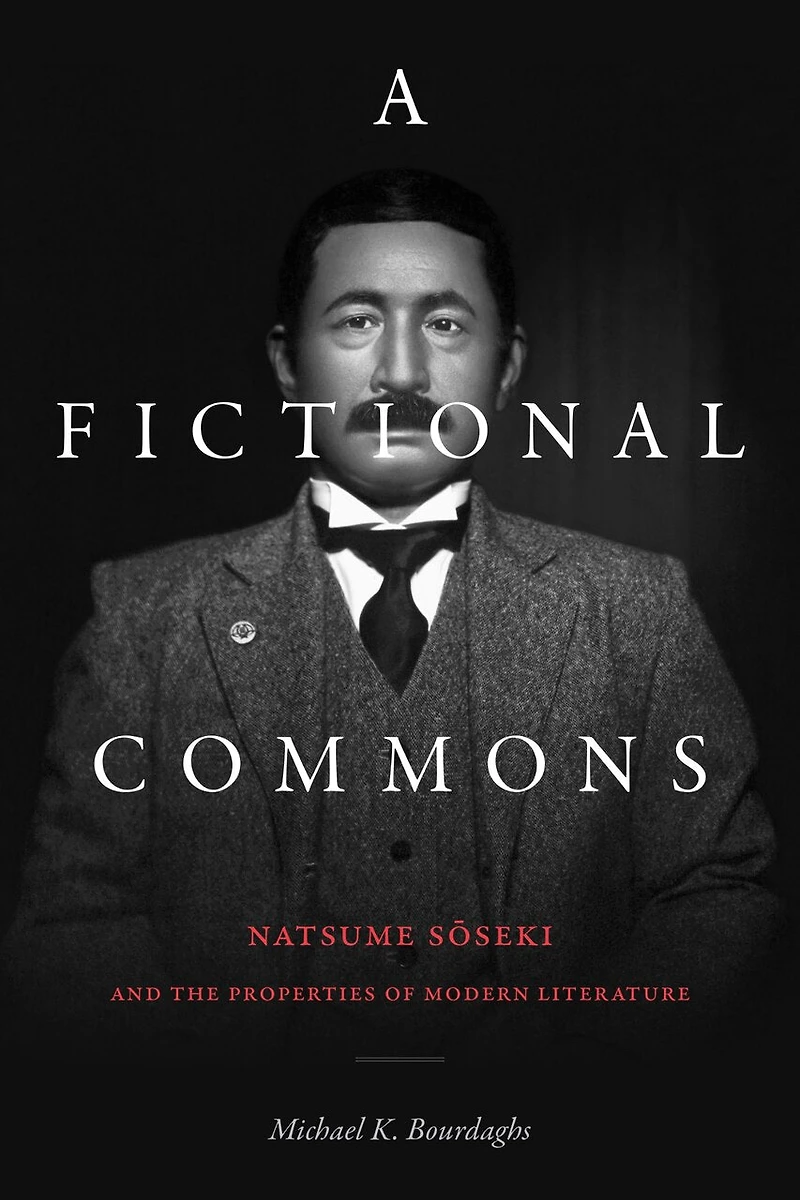
A Fictional Commons: Natsume Soseki and the Properties of Modern Literature
Current price: $133.95

A Fictional Commons: Natsume Soseki and the Properties of Modern Literature
Current price: $133.95
Loading Inventory...
Size: Hardcover
*Product information may vary - to confirm product availability, pricing, shipping and return information please contact Indigo
Modernity arrived in Japan, as elsewhere, through new forms of ownership. In A Fictional Commons , Michael K. Bourdaghs explores how the literary and theoretical works of Natsume Sōseki (1867-1916), widely celebrated as Japan's greatest modern novelist, exploited the contradictions and ambiguities that haunted this new system. Many of his works feature narratives about inheritance, thievery, and the struggle to obtain or preserve material wealth while also imagining alternative ways of owning and sharing. For Sōseki, literature was a means for thinking through-and beyond-private property. Bourdaghs puts Sōseki into dialogue with thinkers from his own era (including William James and Mizuno Rentarō, author of Japan's first copyright law) and discusses how his work anticipates such theorists as Karatani Kōjin and Franco Moretti. As Bourdaghs shows, Sōseki both appropriated and rejected concepts of ownership and subjectivity in ways that theorized literature as a critical response to the emergence of global capitalism.
Modernity arrived in Japan, as elsewhere, through new forms of ownership. In A Fictional Commons , Michael K. Bourdaghs explores how the literary and theoretical works of Natsume Sōseki (1867-1916), widely celebrated as Japan's greatest modern novelist, exploited the contradictions and ambiguities that haunted this new system. Many of his works feature narratives about inheritance, thievery, and the struggle to obtain or preserve material wealth while also imagining alternative ways of owning and sharing. For Sōseki, literature was a means for thinking through-and beyond-private property. Bourdaghs puts Sōseki into dialogue with thinkers from his own era (including William James and Mizuno Rentarō, author of Japan's first copyright law) and discusses how his work anticipates such theorists as Karatani Kōjin and Franco Moretti. As Bourdaghs shows, Sōseki both appropriated and rejected concepts of ownership and subjectivity in ways that theorized literature as a critical response to the emergence of global capitalism.
You May Also Like







More About Indigo at Erin Mills Town Centre
The largest book retailer in Canada also offers toys, music, home décor, gifts and lifestyle products. What's Inside...Books, Magazines, CD’s and DVD’s, Toys and Gifts, Home Accents, Electronics, Baby’s and Children’s Section, Bath and Body, Kitchen and Bedroom, Stationary Located outside in the exterior plaza.
5015 Glen Erin Dr, Mississauga, ON L5M 0R7, Canada
Find Indigo at Erin Mills Town Centre in Mississauga ON
Visit Indigo at Erin Mills Town Centre in Mississauga ON