

GIVE THE PERFECT GIFT
Erin Mills Town Centre Gift Cards are the perfect choice for your gift giving needs.Purchase gift cards at kiosks near the food court or centre court, at Guest Services, or click below to purchase online.PURCHASE HEREHome
A Fistful of Bitcoins: The Risks and Opportunities of Virtual Currencies
Indigo
Loading Inventory...
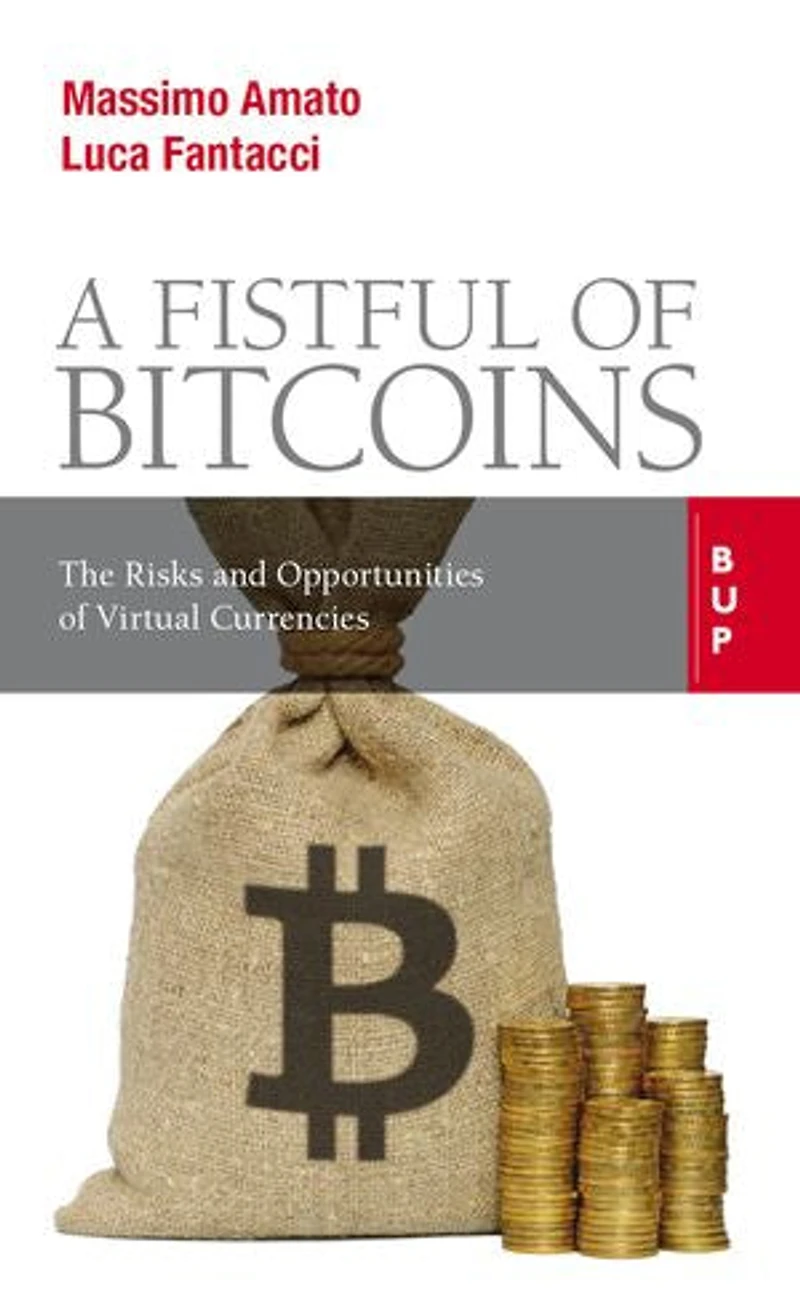
A Fistful of Bitcoins: The Risks and Opportunities of Virtual Currencies
Current price: $24.99

A Fistful of Bitcoins: The Risks and Opportunities of Virtual Currencies
Current price: $24.99
Loading Inventory...
Size: Kobo eBook
*Product information may vary - to confirm product availability, pricing, shipping and return information please contact Indigo
“Bitcoin poses the right question, but gives the wrong answer,” write Luca Fantacci and Massimo Amato in this lucid and highly original treatment of the cryptocurrency phenomenon. A Fistful of Bitcoins uncovers the paradoxes of the first “digital cash” to achieve global attention: a disruptive payment infrastructure married to a dangerous and deflationary monetary system. From the cryptographic protocols to the quasi-religious ideologies and the retrograde monetary theories supporting Bitcoin, the authors reflect on what Bitcoin gets right and disastrously wrong about our current monetary predicament. With implications for monetary theory and policy, the prospect of central bank-issued digital currencies, and the future of blockchain-based applications, this book will be of interest beyond economics, political science and management for a general public concerned about not just what money is but what money might – and should – become.
“Bitcoin poses the right question, but gives the wrong answer,” write Luca Fantacci and Massimo Amato in this lucid and highly original treatment of the cryptocurrency phenomenon. A Fistful of Bitcoins uncovers the paradoxes of the first “digital cash” to achieve global attention: a disruptive payment infrastructure married to a dangerous and deflationary monetary system. From the cryptographic protocols to the quasi-religious ideologies and the retrograde monetary theories supporting Bitcoin, the authors reflect on what Bitcoin gets right and disastrously wrong about our current monetary predicament. With implications for monetary theory and policy, the prospect of central bank-issued digital currencies, and the future of blockchain-based applications, this book will be of interest beyond economics, political science and management for a general public concerned about not just what money is but what money might – and should – become.
You May Also Like











More About Indigo at Erin Mills Town Centre
The largest book retailer in Canada also offers toys, music, home décor, gifts and lifestyle products. What's Inside...Books, Magazines, CD’s and DVD’s, Toys and Gifts, Home Accents, Electronics, Baby’s and Children’s Section, Bath and Body, Kitchen and Bedroom, Stationary Located outside in the exterior plaza.
5015 Glen Erin Dr, Mississauga, ON L5M 0R7, Canada
Find Indigo at Erin Mills Town Centre in Mississauga ON
Visit Indigo at Erin Mills Town Centre in Mississauga ON