

GIVE THE PERFECT GIFT
Erin Mills Town Centre Gift Cards are the perfect choice for your gift giving needs.Purchase gift cards at kiosks near the food court or centre court, at Guest Services, or click below to purchase online.PURCHASE HEREHome
A Franciscan Tombstone Fourteenth-Century China: Global History
Indigo
Loading Inventory...
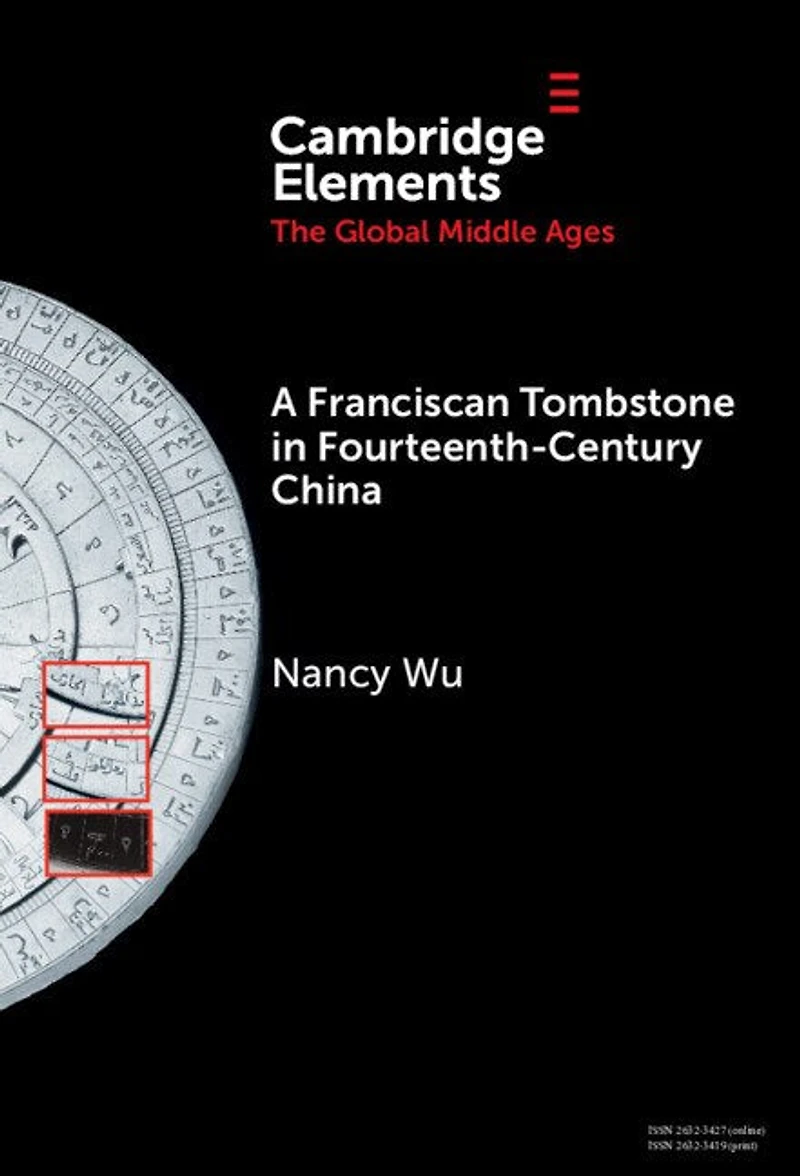
A Franciscan Tombstone Fourteenth-Century China: Global History
Current price: $94.73

A Franciscan Tombstone Fourteenth-Century China: Global History
Current price: $94.73
Loading Inventory...
Size: Hardcover
*Product information may vary - to confirm product availability, pricing, shipping and return information please contact Indigo
This Element examines the tombstone for Andrew of Perugia (d. 1332?), the sole surviving object from the 14C Franciscan mission in China. The narrative begins in Zayton, where diverse groups brought to this maritime entrepot old antagonisms and new alliances. The discovery of Andrew's tombstone and that of other Christian monuments over the centuries, demonstrate how various Christian churches interacted with their host society from the eighth through the fourteenth centuries. Relying to the extent possible on words of the protagonists, this Element scrutinizes the Nestorian cross-and-lotus motif and questions prevailing interpretations about this quintessential Nestorian iconography and its presence on a Franciscan tombstone: the interreligious borrowing of art and symbolism, the mode through which ideas and traditions were transmitted, the function and purpose of adaptation, and the plausible contribution of local artisans to the creation of the earliest Christian art in China.
This Element examines the tombstone for Andrew of Perugia (d. 1332?), the sole surviving object from the 14C Franciscan mission in China. The narrative begins in Zayton, where diverse groups brought to this maritime entrepot old antagonisms and new alliances. The discovery of Andrew's tombstone and that of other Christian monuments over the centuries, demonstrate how various Christian churches interacted with their host society from the eighth through the fourteenth centuries. Relying to the extent possible on words of the protagonists, this Element scrutinizes the Nestorian cross-and-lotus motif and questions prevailing interpretations about this quintessential Nestorian iconography and its presence on a Franciscan tombstone: the interreligious borrowing of art and symbolism, the mode through which ideas and traditions were transmitted, the function and purpose of adaptation, and the plausible contribution of local artisans to the creation of the earliest Christian art in China.
You May Also Like










More About Indigo at Erin Mills Town Centre
The largest book retailer in Canada also offers toys, music, home décor, gifts and lifestyle products. What's Inside...Books, Magazines, CD’s and DVD’s, Toys and Gifts, Home Accents, Electronics, Baby’s and Children’s Section, Bath and Body, Kitchen and Bedroom, Stationary Located outside in the exterior plaza.
5015 Glen Erin Dr, Mississauga, ON L5M 0R7, Canada
Find Indigo at Erin Mills Town Centre in Mississauga ON
Visit Indigo at Erin Mills Town Centre in Mississauga ON