

GIVE THE PERFECT GIFT
Erin Mills Town Centre Gift Cards are the perfect choice for your gift giving needs.Purchase gift cards at kiosks near the food court or centre court, at Guest Services, or click below to purchase online.PURCHASE HEREHome
A GENERAL INTRODUCTION TO PSYCHOANALYSIS
Indigo
Loading Inventory...
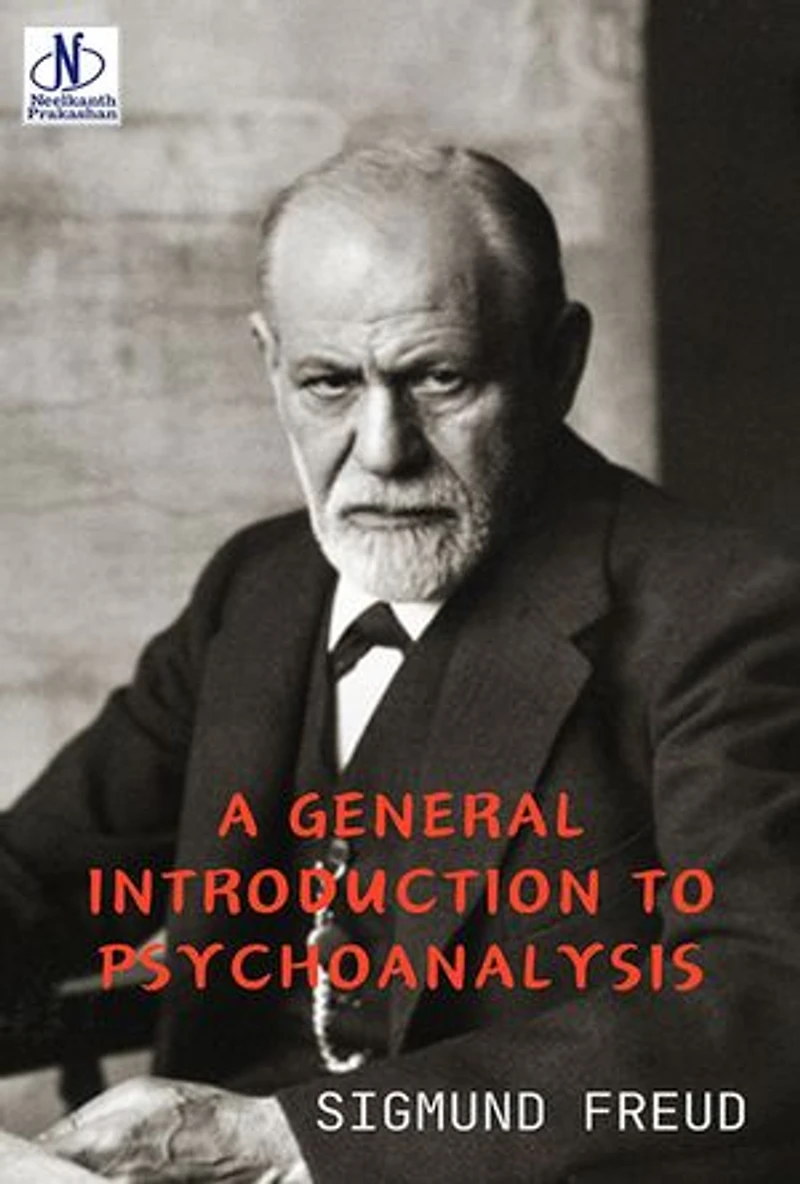
A GENERAL INTRODUCTION TO PSYCHOANALYSIS
Current price: $1.34

A GENERAL INTRODUCTION TO PSYCHOANALYSIS
Current price: $1.34
Loading Inventory...
Size: Kobo eBook
*Product information may vary - to confirm product availability, pricing, shipping and return information please contact Indigo
"A General Introduction to Psychoanalysis" by Sigmund Freud is a seminal work that provides an overview of Freud's psychoanalytic theory and its applications. Originally published in 1916, it serves as a comprehensive introduction to the fundamental concepts and principles of psychoanalysis. Here's a brief summary:
Unconscious Mind: Freud proposed that much of human behavior is determined by unconscious motivations and desires that are beyond conscious awareness. These unconscious conflicts often stem from childhood experiences and unresolved issues.
Psychosexual Development: Freud developed a theory of psychosexual development, which posits that personality development occurs in stages, each characterized by the fixation of libido (psychic energy) on different erogenous zones. The stages include oral, anal, phallic, latent, and genital stages.
Defense Mechanisms: Freud identified various defense mechanisms that individuals use to cope with anxiety and protect themselves from distressing thoughts or feelings. These mechanisms include repression, denial, projection, displacement, and rationalization.
Structure of Personality: Freud conceptualized the structure of personality as consisting of three parts: the id, ego, and superego. The id operates on the pleasure principle, seeking immediate gratification of desires; the ego operates on the reality principle, mediating between the id and the external world; and the superego represents internalized societal norms and values.
Psychoanalytic Techniques: Freud developed various techniques for exploring the unconscious mind, including free association, dream analysis, and transference analysis. These methods aim to uncover unconscious conflicts and bring them into conscious awareness for resolution.
Therapeutic Process: Psychoanalysis involves a long-term therapeutic process wherein the analyst helps the patient gain insight into their unconscious motivations and conflicts. Through this process of self-discovery and interpretation, patients can achieve psychological healing and personal growth.
Freud's work laid the foundation for modern psychotherapy and has had a significant influence on psychology, psychiatry, and cultural discourse. While some of his ideas have been challenged and revised over time, his contributions to the understanding of the human mind remain highly influential.
"A General Introduction to Psychoanalysis" by Sigmund Freud is a seminal work that provides an overview of Freud's psychoanalytic theory and its applications. Originally published in 1916, it serves as a comprehensive introduction to the fundamental concepts and principles of psychoanalysis. Here's a brief summary:
Unconscious Mind: Freud proposed that much of human behavior is determined by unconscious motivations and desires that are beyond conscious awareness. These unconscious conflicts often stem from childhood experiences and unresolved issues.
Psychosexual Development: Freud developed a theory of psychosexual development, which posits that personality development occurs in stages, each characterized by the fixation of libido (psychic energy) on different erogenous zones. The stages include oral, anal, phallic, latent, and genital stages.
Defense Mechanisms: Freud identified various defense mechanisms that individuals use to cope with anxiety and protect themselves from distressing thoughts or feelings. These mechanisms include repression, denial, projection, displacement, and rationalization.
Structure of Personality: Freud conceptualized the structure of personality as consisting of three parts: the id, ego, and superego. The id operates on the pleasure principle, seeking immediate gratification of desires; the ego operates on the reality principle, mediating between the id and the external world; and the superego represents internalized societal norms and values.
Psychoanalytic Techniques: Freud developed various techniques for exploring the unconscious mind, including free association, dream analysis, and transference analysis. These methods aim to uncover unconscious conflicts and bring them into conscious awareness for resolution.
Therapeutic Process: Psychoanalysis involves a long-term therapeutic process wherein the analyst helps the patient gain insight into their unconscious motivations and conflicts. Through this process of self-discovery and interpretation, patients can achieve psychological healing and personal growth.
Freud's work laid the foundation for modern psychotherapy and has had a significant influence on psychology, psychiatry, and cultural discourse. While some of his ideas have been challenged and revised over time, his contributions to the understanding of the human mind remain highly influential.
You May Also Like
















More About Indigo at Erin Mills Town Centre
The largest book retailer in Canada also offers toys, music, home décor, gifts and lifestyle products. What's Inside...Books, Magazines, CD’s and DVD’s, Toys and Gifts, Home Accents, Electronics, Baby’s and Children’s Section, Bath and Body, Kitchen and Bedroom, Stationary Located outside in the exterior plaza.
5015 Glen Erin Dr, Mississauga, ON L5M 0R7, Canada
Find Indigo at Erin Mills Town Centre in Mississauga ON
Visit Indigo at Erin Mills Town Centre in Mississauga ON