

GIVE THE PERFECT GIFT
Erin Mills Town Centre Gift Cards are the perfect choice for your gift giving needs.Purchase gift cards at kiosks near the food court or centre court, at Guest Services, or click below to purchase online.PURCHASE HEREHome
A General View of Positivism: The Intellectual and Social Foundations of Positivism
Indigo
Loading Inventory...
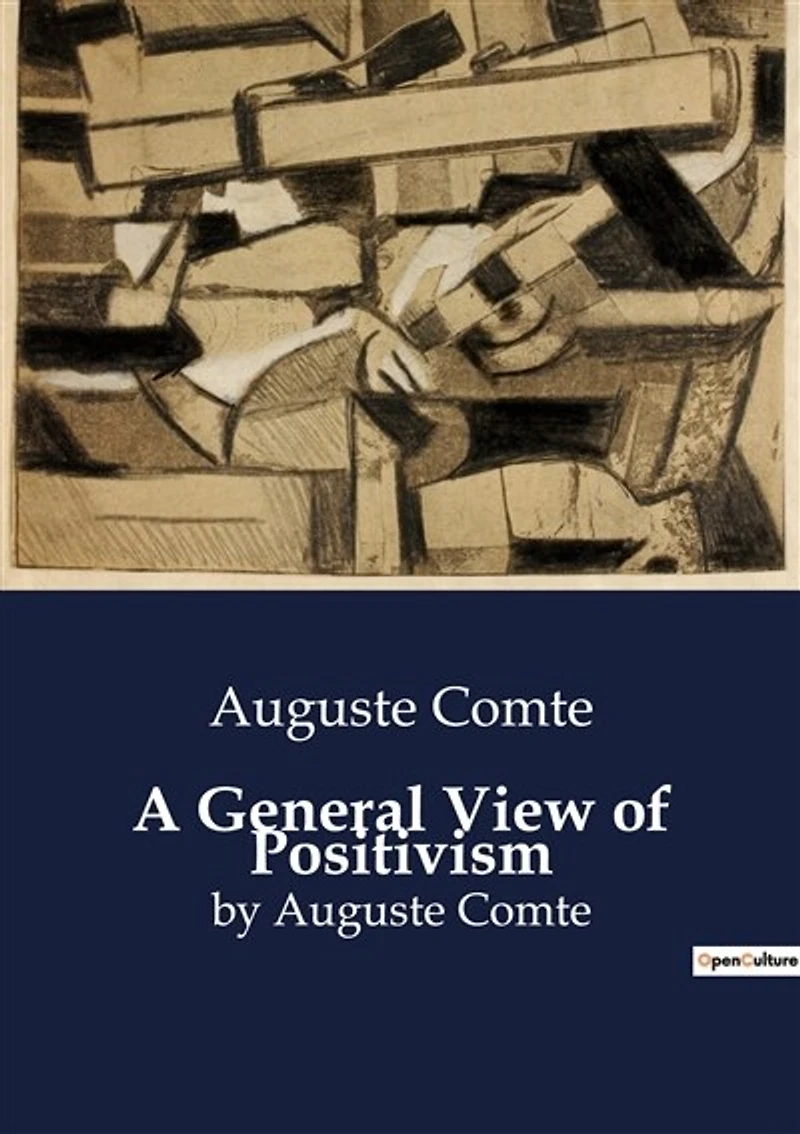
A General View of Positivism: The Intellectual and Social Foundations of Positivism
Current price: $49.50

A General View of Positivism: The Intellectual and Social Foundations of Positivism
Current price: $49.50
Loading Inventory...
Size: Paperback
*Product information may vary - to confirm product availability, pricing, shipping and return information please contact Indigo
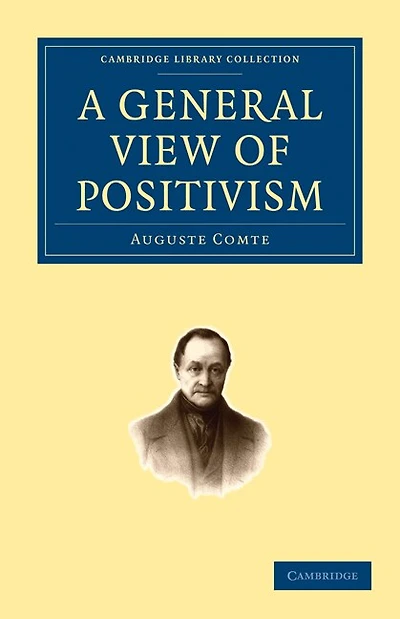
Auguste Comte, considered by some to be the first "philosopher of science," was perhaps most famous for founding the theory of Positivism: a framework of thinking and living meant to engender unity across humanity, backed by love, science, and intellect. Positivism itself is a combination philosophy and way of life. Here Comte lays down the various tenets of the philosophy, describing what he views as the six major characteristics of the system. Comte goes into surprising detail, going so far as to describe minutiae like how children should be educated, the structure of a unified global committee of nations, new flags, calendars, the role of the arts, and so on. He ends the book with what he calls the "Religion of Humanity," a secular religion meant to replace the traditional religions that people of the time were becoming disillusioned with. The book and the theory are both very much products of the time. Comte was born around the end of the French Revolution, and lived in Paris during that time when republican ideas, respect for science, and a revolutionary and forward-thinking spirit made fertile ground for change. He viewed Positivism as the single solution to most of the problems of the day, including Communism, the plight of the working class, the shift away from traditional religion, and the constant war and strife that had plagued humanity. Comte's theories gained a huge following: you might even recognize the Positivist motto, "Order and Progress," inscribed on Brazil's national flag. While Positivism and its executive arm, the Church of Humanity, today only seem to survive in any significant number in Brazil-and even there in a greatly declined state-its theories were hugely influential in the emergence of many "ethical societies" and secular church movements around the globe.
Auguste Comte, considered by some to be the first "philosopher of science," was perhaps most famous for founding the theory of Positivism: a framework of thinking and living meant to engender unity across humanity, backed by love, science, and intellect. Positivism itself is a combination philosophy and way of life. Here Comte lays down the various tenets of the philosophy, describing what he views as the six major characteristics of the system. Comte goes into surprising detail, going so far as to describe minutiae like how children should be educated, the structure of a unified global committee of nations, new flags, calendars, the role of the arts, and so on. He ends the book with what he calls the "Religion of Humanity," a secular religion meant to replace the traditional religions that people of the time were becoming disillusioned with. The book and the theory are both very much products of the time. Comte was born around the end of the French Revolution, and lived in Paris during that time when republican ideas, respect for science, and a revolutionary and forward-thinking spirit made fertile ground for change. He viewed Positivism as the single solution to most of the problems of the day, including Communism, the plight of the working class, the shift away from traditional religion, and the constant war and strife that had plagued humanity. Comte's theories gained a huge following: you might even recognize the Positivist motto, "Order and Progress," inscribed on Brazil's national flag. While Positivism and its executive arm, the Church of Humanity, today only seem to survive in any significant number in Brazil-and even there in a greatly declined state-its theories were hugely influential in the emergence of many "ethical societies" and secular church movements around the globe.
You May Also Like








More About Indigo at Erin Mills Town Centre
The largest book retailer in Canada also offers toys, music, home décor, gifts and lifestyle products. What's Inside...Books, Magazines, CD’s and DVD’s, Toys and Gifts, Home Accents, Electronics, Baby’s and Children’s Section, Bath and Body, Kitchen and Bedroom, Stationary Located outside in the exterior plaza.
5015 Glen Erin Dr, Mississauga, ON L5M 0R7, Canada
Find Indigo at Erin Mills Town Centre in Mississauga ON
Visit Indigo at Erin Mills Town Centre in Mississauga ON