

GIVE THE PERFECT GIFT
Erin Mills Town Centre Gift Cards are the perfect choice for your gift giving needs.Purchase gift cards at kiosks near the food court or centre court, at Guest Services, or click below to purchase online.PURCHASE HEREHome
A Generation Abandoned: Why 'Whatever' Is Not Enough
Indigo
Loading Inventory...
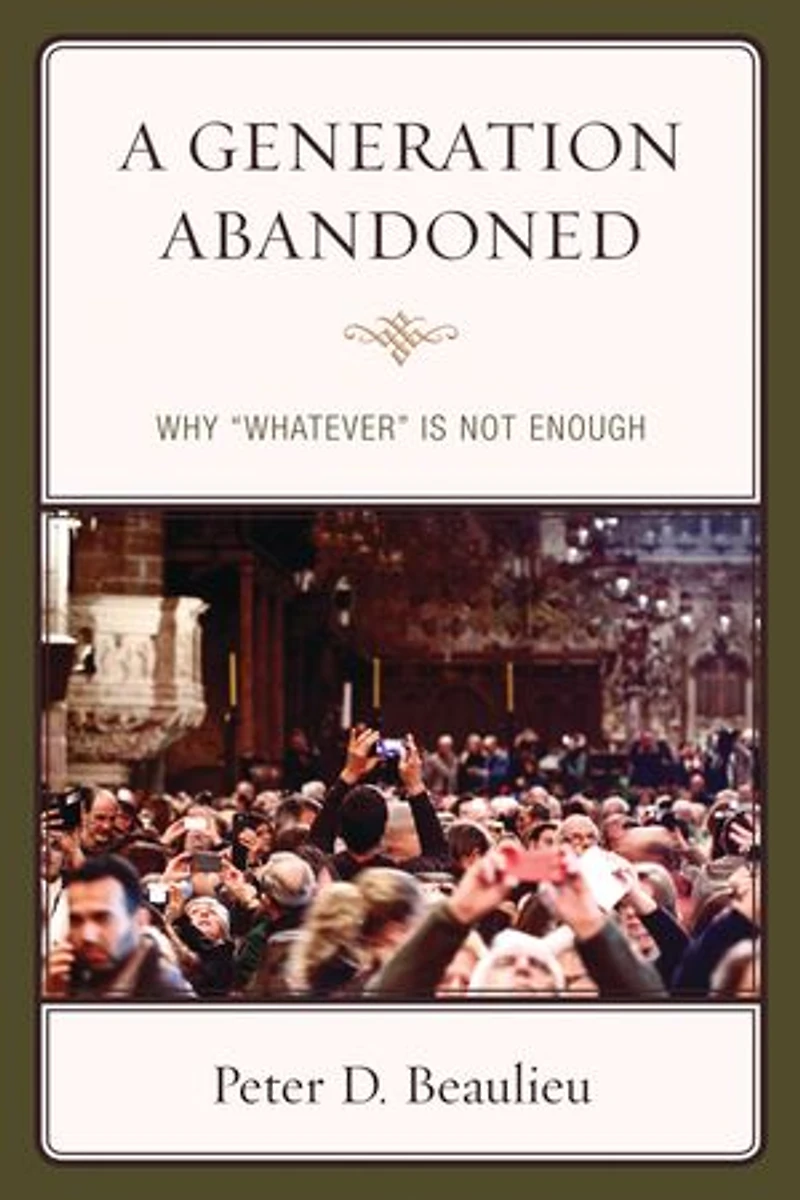
A Generation Abandoned: Why 'Whatever' Is Not Enough
Current price: $50.79
Original price: $63.45

A Generation Abandoned: Why 'Whatever' Is Not Enough
Current price: $50.79
Original price: $63.45
Loading Inventory...
Size: Kobo eBook
*Product information may vary - to confirm product availability, pricing, shipping and return information please contact Indigo
A Generation Abandoned explores the disruptive cultural events especially of the past half century as these have undermined the confidence of the young in themselves and in civil society, and finally in our place in the universe. The overall theme is the contrast between this sense of abandonment and our inborn and neglected orientation toward personal worth and the common good (the natural law). Much of what is peddled as "social evolution" today is shown to be a throwback to darker times. The analysis submits to a refreshingly conversational tone, but also draws incisively from a very broad pallet of history, literature, theater, theology, and simplifying and illuminating anecdotes (some of them first hand). An early chapter outlines the "perfect storm" of the 1960s. Later chapters expose the word games of the cultural elite, the saga of the family through history and now its abrupt erosion, and the difference between any meandering "arc of history" and a more grounded arc of relations-our rationalized "culture of death" versus a flourishing "human ecology."
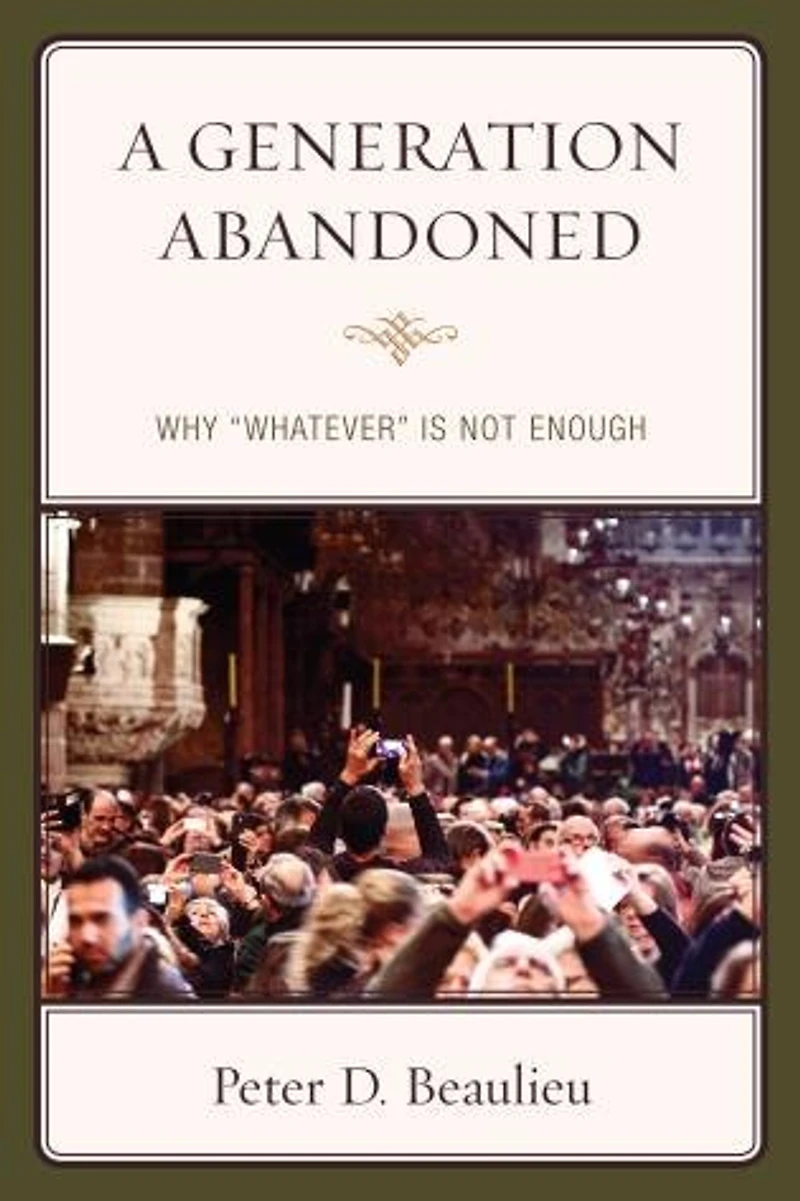
A Generation Abandoned explores the disruptive cultural events especially of the past half century as these have undermined the confidence of the young in themselves and in civil society, and finally in our place in the universe. The overall theme is the contrast between this sense of abandonment and our inborn and neglected orientation toward personal worth and the common good (the natural law). Much of what is peddled as "social evolution" today is shown to be a throwback to darker times. The analysis submits to a refreshingly conversational tone, but also draws incisively from a very broad pallet of history, literature, theater, theology, and simplifying and illuminating anecdotes (some of them first hand). An early chapter outlines the "perfect storm" of the 1960s. Later chapters expose the word games of the cultural elite, the saga of the family through history and now its abrupt erosion, and the difference between any meandering "arc of history" and a more grounded arc of relations-our rationalized "culture of death" versus a flourishing "human ecology."
You May Also Like










More About Indigo at Erin Mills Town Centre
The largest book retailer in Canada also offers toys, music, home décor, gifts and lifestyle products. What's Inside...Books, Magazines, CD’s and DVD’s, Toys and Gifts, Home Accents, Electronics, Baby’s and Children’s Section, Bath and Body, Kitchen and Bedroom, Stationary Located outside in the exterior plaza.
5015 Glen Erin Dr, Mississauga, ON L5M 0R7, Canada
Find Indigo at Erin Mills Town Centre in Mississauga ON
Visit Indigo at Erin Mills Town Centre in Mississauga ON