

GIVE THE PERFECT GIFT
Erin Mills Town Centre Gift Cards are the perfect choice for your gift giving needs.Purchase gift cards at kiosks near the food court or centre court, at Guest Services, or click below to purchase online.PURCHASE HEREHome
A Genetic Tale: Our Diversity, our Evolution, our Adaptation: Inaugural lecture delivered at the Collège de France on Thursday 6 February 2020
Indigo
Loading Inventory...
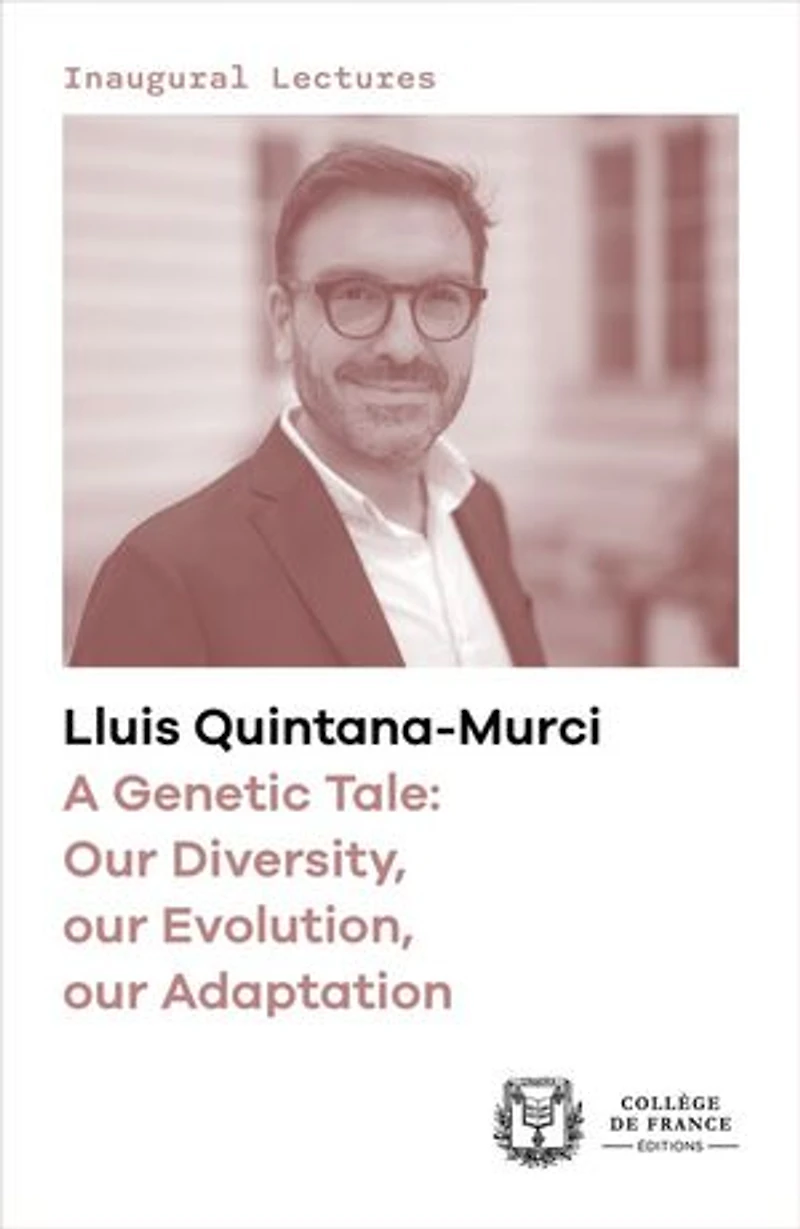
A Genetic Tale: Our Diversity, our Evolution, our Adaptation: Inaugural lecture delivered at the Collège de France on Thursday 6 February 2020
Current price: $11.99

A Genetic Tale: Our Diversity, our Evolution, our Adaptation: Inaugural lecture delivered at the Collège de France on Thursday 6 February 2020
Current price: $11.99
Loading Inventory...
Size: Kobo eBook
*Product information may vary - to confirm product availability, pricing, shipping and return information please contact Indigo
The biological diversity of humans is immense: from our physical appearance to our various abilities to digest certain foods, our relationships with pathogens, and our susceptibility to certain diseases. But what are the origins and factors that shape this diversity? What is the respective contribution of environmental and genetic factors to the phenotypic diversity observed in humans today? How do natural selection and the demographic history of our species shape the genetic diversity of human populations? The aim of my inaugural lecture is to show how all these questions are being tackled using evolutionary and human genomic approaches.
The biological diversity of humans is immense: from our physical appearance to our various abilities to digest certain foods, our relationships with pathogens, and our susceptibility to certain diseases. But what are the origins and factors that shape this diversity? What is the respective contribution of environmental and genetic factors to the phenotypic diversity observed in humans today? How do natural selection and the demographic history of our species shape the genetic diversity of human populations? The aim of my inaugural lecture is to show how all these questions are being tackled using evolutionary and human genomic approaches.
You May Also Like














More About Indigo at Erin Mills Town Centre
The largest book retailer in Canada also offers toys, music, home décor, gifts and lifestyle products. What's Inside...Books, Magazines, CD’s and DVD’s, Toys and Gifts, Home Accents, Electronics, Baby’s and Children’s Section, Bath and Body, Kitchen and Bedroom, Stationary Located outside in the exterior plaza.
5015 Glen Erin Dr, Mississauga, ON L5M 0R7, Canada
Find Indigo at Erin Mills Town Centre in Mississauga ON
Visit Indigo at Erin Mills Town Centre in Mississauga ON