

GIVE THE PERFECT GIFT
Erin Mills Town Centre Gift Cards are the perfect choice for your gift giving needs.Purchase gift cards at kiosks near the food court or centre court, at Guest Services, or click below to purchase online.PURCHASE HEREHome
A German Cavalry Officer's Great War: Konrad von Faber du Faur 1914-1918
Indigo
Loading Inventory...
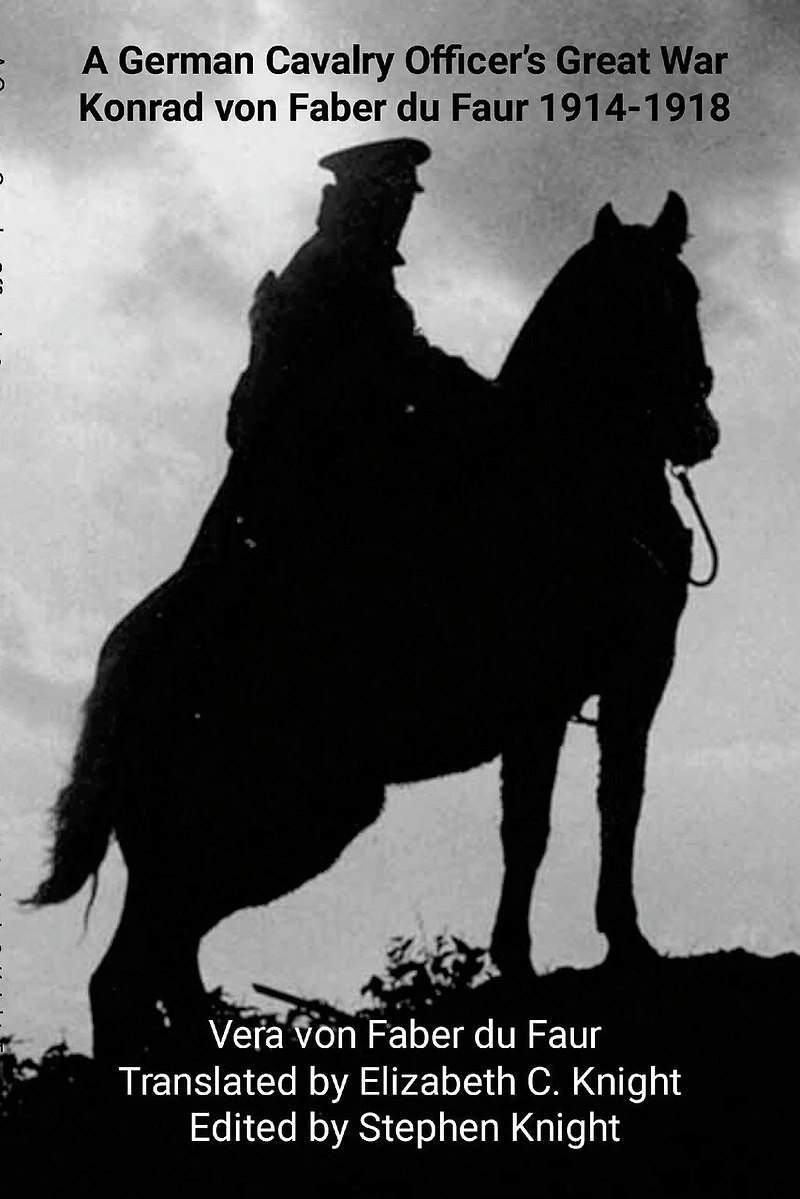
A German Cavalry Officer's Great War: Konrad von Faber du Faur 1914-1918
Current price: $19.50

A German Cavalry Officer's Great War: Konrad von Faber du Faur 1914-1918
Current price: $19.50
Loading Inventory...
Size: Paperback
*Product information may vary - to confirm product availability, pricing, shipping and return information please contact Indigo
Konrad von Faber du Faur was born in Paris, France on the 27th of May, 1895. He had one older sister, Maria, who was born in 1893 and died in 1950, and a younger sister, Vera, who was born in 1898 and died in 1990. Vera is the author of this book.... With the outbreak of the War in August, 1914, Konrad entered the Imperial Army, serving in the Kavallerie (the cavalry), in a Schwere Reiter-Regiment. He fought in Belgium and France early in the War, and then on the Eastern Front, going deep into Russia, including territory which is now Lithuania, Austria, Hungary, Czech Republic, Slovakia, Latvia, Poland, Russia and Ukraine. He loved horses but found that they had value mostly for scouting. In a war of machine guns and high explosive shells, trenches and barbed wire, cavalry charges were obsolete.
Konrad von Faber du Faur was born in Paris, France on the 27th of May, 1895. He had one older sister, Maria, who was born in 1893 and died in 1950, and a younger sister, Vera, who was born in 1898 and died in 1990. Vera is the author of this book.... With the outbreak of the War in August, 1914, Konrad entered the Imperial Army, serving in the Kavallerie (the cavalry), in a Schwere Reiter-Regiment. He fought in Belgium and France early in the War, and then on the Eastern Front, going deep into Russia, including territory which is now Lithuania, Austria, Hungary, Czech Republic, Slovakia, Latvia, Poland, Russia and Ukraine. He loved horses but found that they had value mostly for scouting. In a war of machine guns and high explosive shells, trenches and barbed wire, cavalry charges were obsolete.
You May Also Like








More About Indigo at Erin Mills Town Centre
The largest book retailer in Canada also offers toys, music, home décor, gifts and lifestyle products. What's Inside...Books, Magazines, CD’s and DVD’s, Toys and Gifts, Home Accents, Electronics, Baby’s and Children’s Section, Bath and Body, Kitchen and Bedroom, Stationary Located outside in the exterior plaza.
5015 Glen Erin Dr, Mississauga, ON L5M 0R7, Canada
Find Indigo at Erin Mills Town Centre in Mississauga ON
Visit Indigo at Erin Mills Town Centre in Mississauga ON