

GIVE THE PERFECT GIFT
Erin Mills Town Centre Gift Cards are the perfect choice for your gift giving needs.Purchase gift cards at kiosks near the food court or centre court, at Guest Services, or click below to purchase online.PURCHASE HEREHome
A Greater Freedom: Biotechnology, Love, and Human Destiny (in Dialogue with Hans Jonas Jürgen Habermas)
Indigo
Loading Inventory...
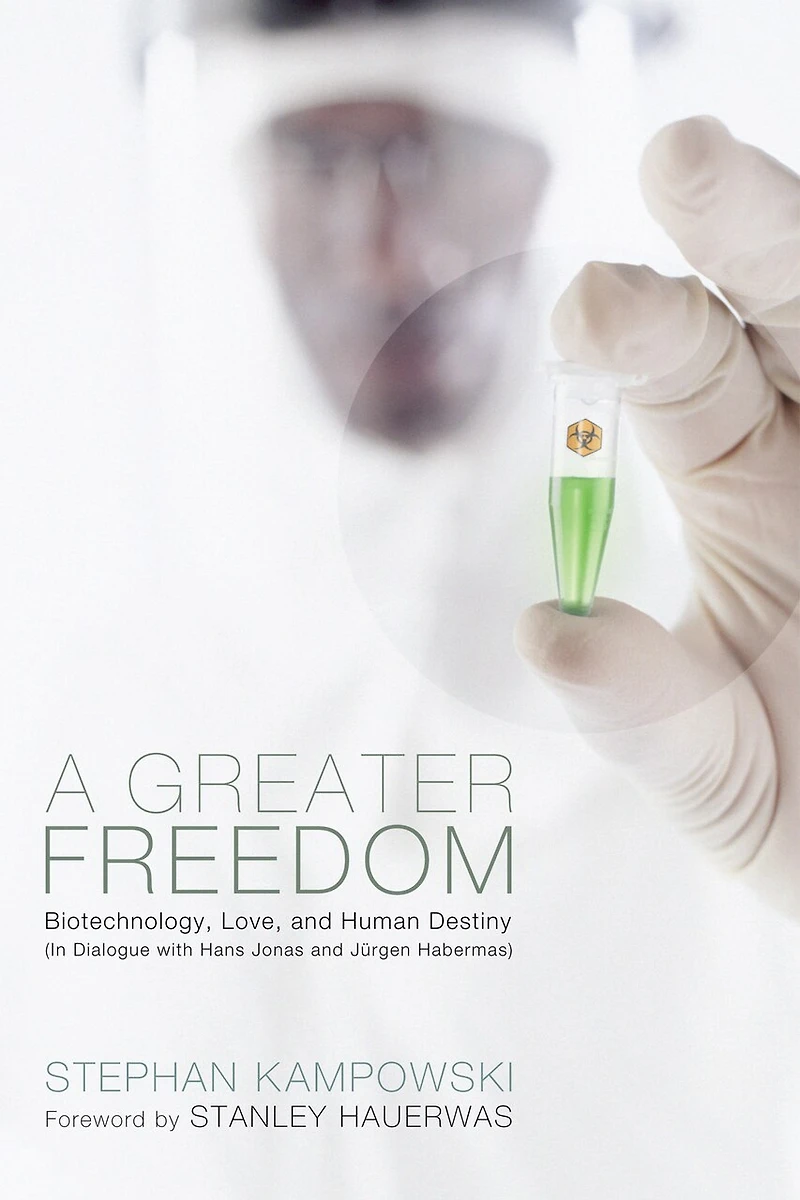
A Greater Freedom: Biotechnology, Love, and Human Destiny (in Dialogue with Hans Jonas Jürgen Habermas)
Current price: $61.33

A Greater Freedom: Biotechnology, Love, and Human Destiny (in Dialogue with Hans Jonas Jürgen Habermas)
Current price: $61.33
Loading Inventory...
Size: Hardcover
*Product information may vary - to confirm product availability, pricing, shipping and return information please contact Indigo
How does biotechnology touch on human destiny? What are its promises and challenges? In search for a response, the present volume turns to the thought of Hans Jonas, one of the pioneers and founding fathers of bioethics. The continued relevance of his ideas is exemplified by the way Jurgen Habermas applies them to the current debate. The chief promise of biotechnology is to increase our freedom by overcoming the limits of the human condition. The main risk of biotechnology, as both Jonas and Habermas see it, is to diminish or outright abolish our capacity for responsibility and morality. It is argued that the greater freedom is not simply freedom from constraints but freedom for our destiny: the freedom to be the benevolent, responsible, and spontaneous authors of our lives, capable of communion and love. The touchstone for evaluating any biotechnological procedure has to be this greater freedom.
How does biotechnology touch on human destiny? What are its promises and challenges? In search for a response, the present volume turns to the thought of Hans Jonas, one of the pioneers and founding fathers of bioethics. The continued relevance of his ideas is exemplified by the way Jurgen Habermas applies them to the current debate. The chief promise of biotechnology is to increase our freedom by overcoming the limits of the human condition. The main risk of biotechnology, as both Jonas and Habermas see it, is to diminish or outright abolish our capacity for responsibility and morality. It is argued that the greater freedom is not simply freedom from constraints but freedom for our destiny: the freedom to be the benevolent, responsible, and spontaneous authors of our lives, capable of communion and love. The touchstone for evaluating any biotechnological procedure has to be this greater freedom.
You May Also Like












More About Indigo at Erin Mills Town Centre
The largest book retailer in Canada also offers toys, music, home décor, gifts and lifestyle products. What's Inside...Books, Magazines, CD’s and DVD’s, Toys and Gifts, Home Accents, Electronics, Baby’s and Children’s Section, Bath and Body, Kitchen and Bedroom, Stationary Located outside in the exterior plaza.
5015 Glen Erin Dr, Mississauga, ON L5M 0R7, Canada
Find Indigo at Erin Mills Town Centre in Mississauga ON
Visit Indigo at Erin Mills Town Centre in Mississauga ON