

GIVE THE PERFECT GIFT
Erin Mills Town Centre Gift Cards are the perfect choice for your gift giving needs.Purchase gift cards at kiosks near the food court or centre court, at Guest Services, or click below to purchase online.PURCHASE HEREHome
A Handbook of Plant-Form: For Students of Design, Art Schools, Teachers and Amateurs
Indigo
Loading Inventory...
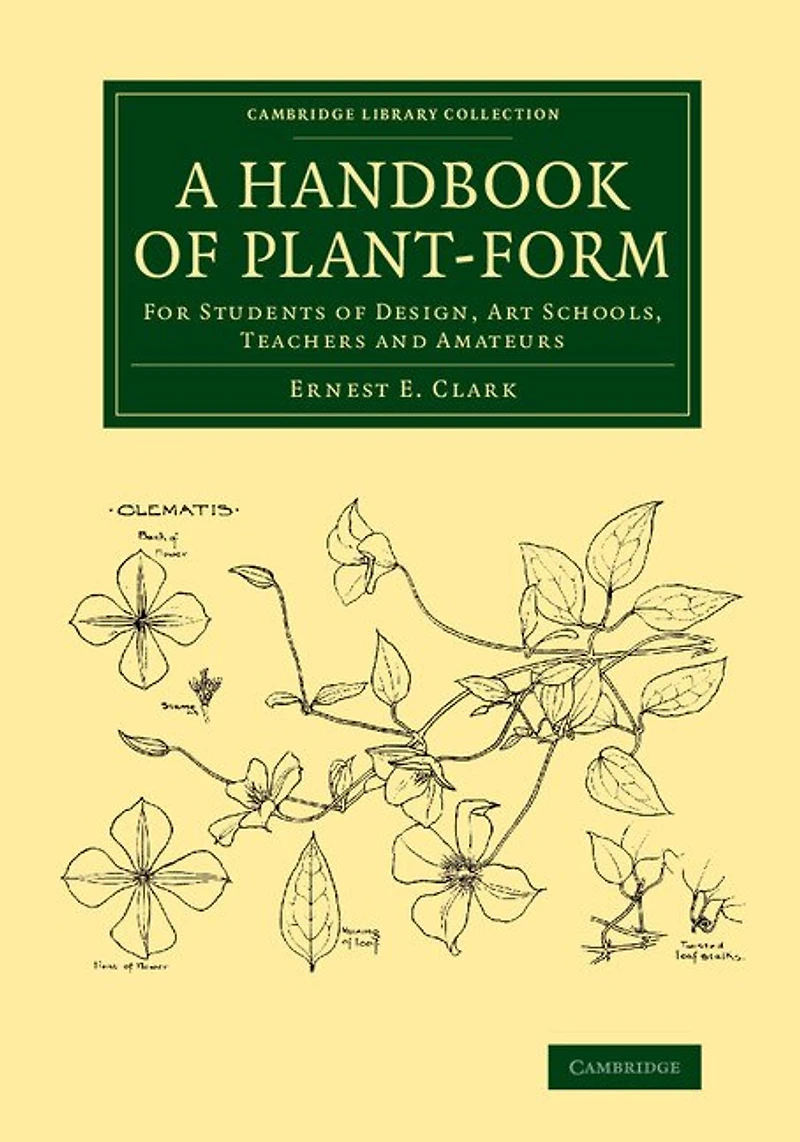
A Handbook of Plant-Form: For Students of Design, Art Schools, Teachers and Amateurs
Current price: $62.61

A Handbook of Plant-Form: For Students of Design, Art Schools, Teachers and Amateurs
Current price: $62.61
Loading Inventory...
Size: Paperback
*Product information may vary - to confirm product availability, pricing, shipping and return information please contact Indigo
Written and richly illustrated by the Derby-born artist Ernest Ellis Clark (1869–1932), this guide was originally published in 1904 to demonstrate the decorative possibilities of certain plants, mainly English wild flowers, to art students sitting examinations in plant drawing and design. Clark emphasises the importance of retaining a certain amount of botanical accuracy and provides examples of the ornamental possibilities of selected plants in various stages of their development. The language employed in describing the plants is not rigorously scientific and may be understood by those with little familiarity with botanical terms (a brief glossary is also provided). By focusing primarily on accurate renderings of the plants, rather than decorative applications, Clark allows the student's originality to remain unaffected by his personal preferences, and in so doing he allows students to adapt his teachings to their particular tastes and styles.
Written and richly illustrated by the Derby-born artist Ernest Ellis Clark (1869–1932), this guide was originally published in 1904 to demonstrate the decorative possibilities of certain plants, mainly English wild flowers, to art students sitting examinations in plant drawing and design. Clark emphasises the importance of retaining a certain amount of botanical accuracy and provides examples of the ornamental possibilities of selected plants in various stages of their development. The language employed in describing the plants is not rigorously scientific and may be understood by those with little familiarity with botanical terms (a brief glossary is also provided). By focusing primarily on accurate renderings of the plants, rather than decorative applications, Clark allows the student's originality to remain unaffected by his personal preferences, and in so doing he allows students to adapt his teachings to their particular tastes and styles.
You May Also Like









More About Indigo at Erin Mills Town Centre
The largest book retailer in Canada also offers toys, music, home décor, gifts and lifestyle products. What's Inside...Books, Magazines, CD’s and DVD’s, Toys and Gifts, Home Accents, Electronics, Baby’s and Children’s Section, Bath and Body, Kitchen and Bedroom, Stationary Located outside in the exterior plaza.
5015 Glen Erin Dr, Mississauga, ON L5M 0R7, Canada
Find Indigo at Erin Mills Town Centre in Mississauga ON
Visit Indigo at Erin Mills Town Centre in Mississauga ON