

GIVE THE PERFECT GIFT
Erin Mills Town Centre Gift Cards are the perfect choice for your gift giving needs.Purchase gift cards at kiosks near the food court or centre court, at Guest Services, or click below to purchase online.PURCHASE HEREHome
A Hemisphere of Women: the Founding and Development Inter-American Commission, 1915-1939
Indigo
Loading Inventory...
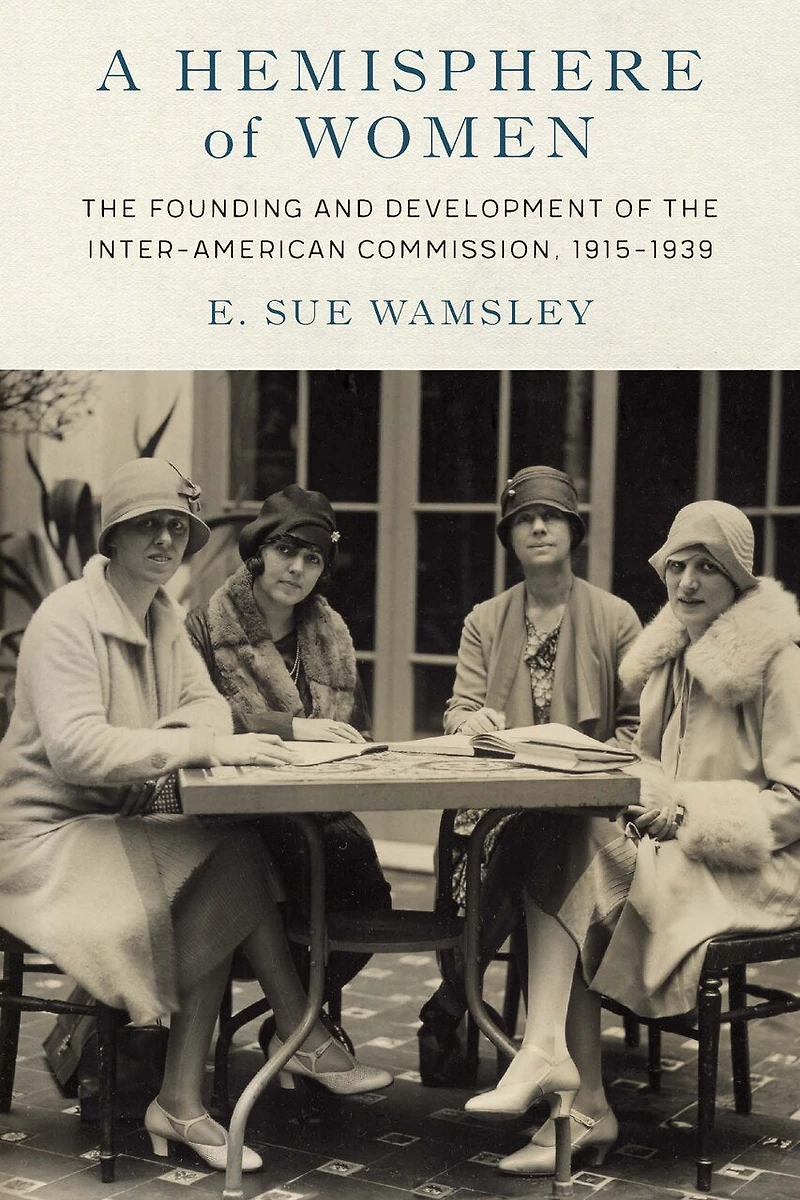
A Hemisphere of Women: the Founding and Development Inter-American Commission, 1915-1939
Current price: $81.95

A Hemisphere of Women: the Founding and Development Inter-American Commission, 1915-1939
Current price: $81.95
Loading Inventory...
Size: Hardcover
*Product information may vary - to confirm product availability, pricing, shipping and return information please contact Indigo
Though the first decades of the twentieth century witnessed extensive U.S. intervention in Latin American affairs, the United States started to back away from overtly flexing its military muscle to gain power and control, instead using a type of "soft power" more in tune with the spirit of cooperation and collaboration. This new policy, often viewed as female attributes of Pan Americanism, opened the door for women to gain a foothold on the inter-American stage. In the late nineteenth and early twentieth centuries, these Pan American women's movements emerged with the founding of a variety of international organizations that began a worldwide campaign to improve women's lives.
In A Hemisphere of Women E. Sue Wamsley analyzes the history of the Inter-American Commission of Women: the first all-female, government-affiliated body to deal specifically with women's civil and political rights in a transnational arena. She examines how women who had semi-official government roles worked within a neocolonial, male-dominated diplomatic setting to bring about change. U.S. women assumed that they would be the "natural" leaders, stereotyping their Latin American colleagues as unsophisticated and inexperienced. Party members quickly learned, however, that they had underestimated their Latin American sisters, who also had ideas about women's rights and how the campaign should be run.
Utilizing the policy of "soft power," the women, with the help of Latin American officials, managed to work around cultural differences and define common goals rooted in the advancement of women's civil and political rights, giving hemispheric women a recognized position in shaping transnational gender law. Wamsley's innovative analysis at once addresses a void in scholarship and interweaves the history of Pan Americanism, foreign relations, and imperialism with that of women.
Though the first decades of the twentieth century witnessed extensive U.S. intervention in Latin American affairs, the United States started to back away from overtly flexing its military muscle to gain power and control, instead using a type of "soft power" more in tune with the spirit of cooperation and collaboration. This new policy, often viewed as female attributes of Pan Americanism, opened the door for women to gain a foothold on the inter-American stage. In the late nineteenth and early twentieth centuries, these Pan American women's movements emerged with the founding of a variety of international organizations that began a worldwide campaign to improve women's lives.
In A Hemisphere of Women E. Sue Wamsley analyzes the history of the Inter-American Commission of Women: the first all-female, government-affiliated body to deal specifically with women's civil and political rights in a transnational arena. She examines how women who had semi-official government roles worked within a neocolonial, male-dominated diplomatic setting to bring about change. U.S. women assumed that they would be the "natural" leaders, stereotyping their Latin American colleagues as unsophisticated and inexperienced. Party members quickly learned, however, that they had underestimated their Latin American sisters, who also had ideas about women's rights and how the campaign should be run.
Utilizing the policy of "soft power," the women, with the help of Latin American officials, managed to work around cultural differences and define common goals rooted in the advancement of women's civil and political rights, giving hemispheric women a recognized position in shaping transnational gender law. Wamsley's innovative analysis at once addresses a void in scholarship and interweaves the history of Pan Americanism, foreign relations, and imperialism with that of women.
You May Also Like








More About Indigo at Erin Mills Town Centre
The largest book retailer in Canada also offers toys, music, home décor, gifts and lifestyle products. What's Inside...Books, Magazines, CD’s and DVD’s, Toys and Gifts, Home Accents, Electronics, Baby’s and Children’s Section, Bath and Body, Kitchen and Bedroom, Stationary Located outside in the exterior plaza.
5015 Glen Erin Dr, Mississauga, ON L5M 0R7, Canada
Find Indigo at Erin Mills Town Centre in Mississauga ON
Visit Indigo at Erin Mills Town Centre in Mississauga ON