

GIVE THE PERFECT GIFT
Erin Mills Town Centre Gift Cards are the perfect choice for your gift giving needs.Purchase gift cards at kiosks near the food court or centre court, at Guest Services, or click below to purchase online.PURCHASE HEREHome
A History of Artificially Intelligent Architecture: Case Studies from the USA, UK, Europe and Japan, 1949-1987
Indigo
Loading Inventory...
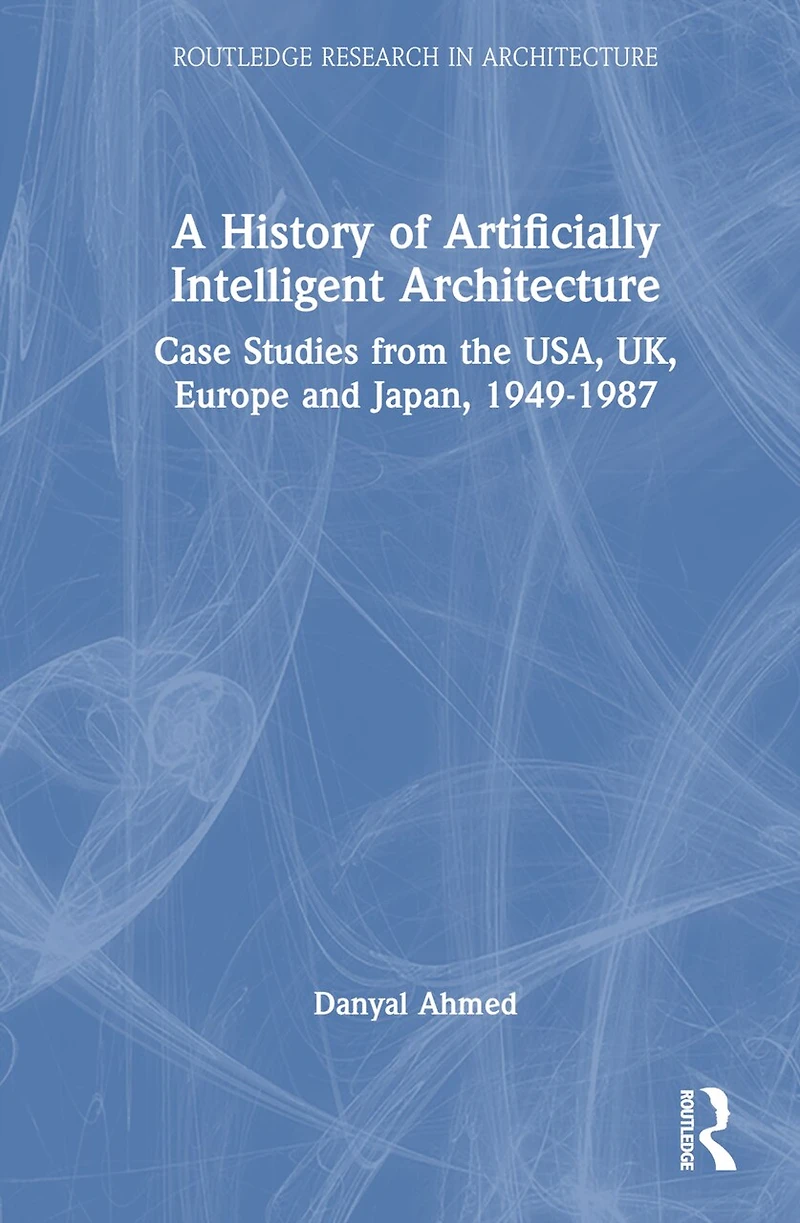
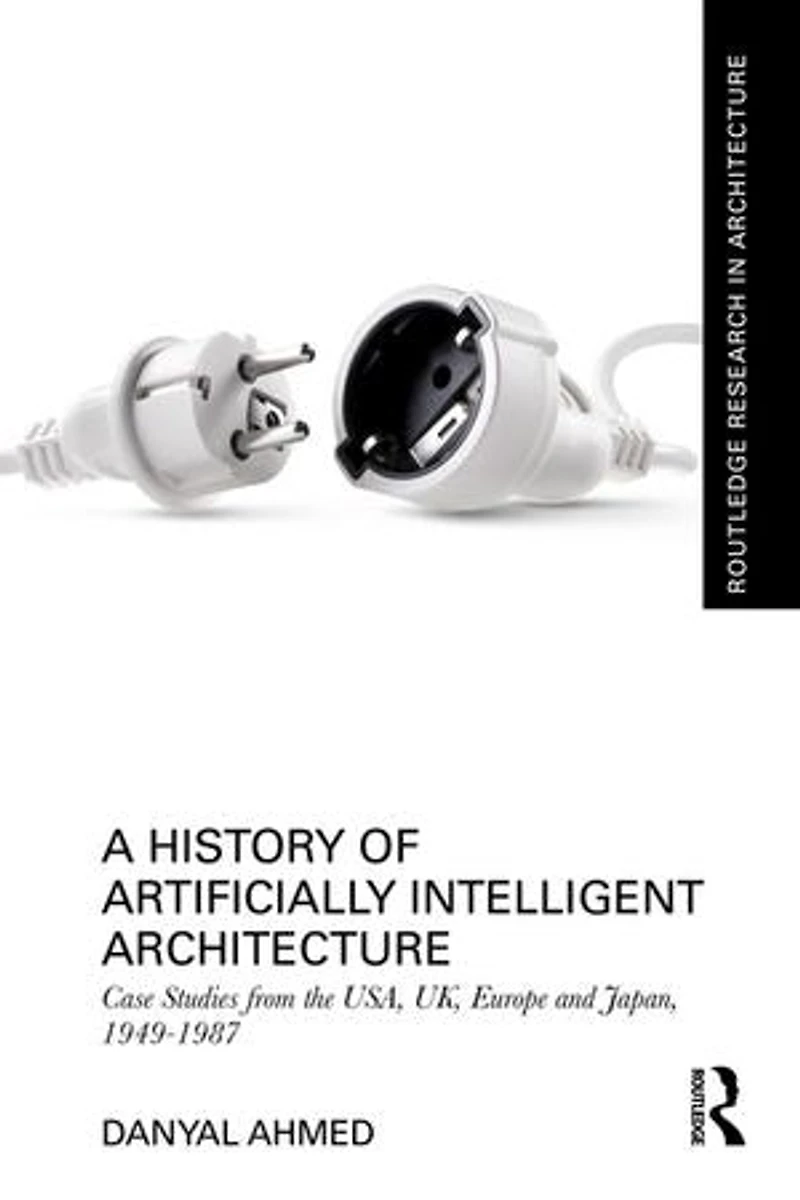
A History of Artificially Intelligent Architecture: Case Studies from the USA, UK, Europe and Japan, 1949-1987
Current price: $296.50

A History of Artificially Intelligent Architecture: Case Studies from the USA, UK, Europe and Japan, 1949-1987
Current price: $296.50
Loading Inventory...
Size: Hardcover
*Product information may vary - to confirm product availability, pricing, shipping and return information please contact Indigo
A History of Artificially Intelligent Architecture: Case Studies from the USA, UK, Europe and Japan, 1949-1987 provides a comprehensive survey of architectural projects exhibiting intelligence since the Late First Century right up to the present day. Tracing the social, scientific and technological developments, this book analyses case studies from both conceived and executed architectural projects by Architects and Cyberneticians from the United States, United Kingdom, Europe and Japan from 1949-87. From the Late First Century through to the Seventeenth Century, the scientific endeavors of the Hero of Alexandria, Ramon Llull, Paracelsus, René Descartes, Jacques de Vaucanson, Pierre Jacquet-Droz, and Charles Babbage have been presented in which they attempted to review, analyse and conclude the notion of artificial intelligence. Coming to the Twenty-First Century and witnessing a period, particularly from 1949-87, where nothing had been constant, Architects and Cyberneticians whose architectural projects attempted to simulate intelligence include Cedric Price, Richard Saul Wurman, Nicholas Negroponte, Kenzo Tange, Arata Isozaki, Charles Eames, Ezra D. Ehrenkrantz, Richard Rogers, Renzo Piano, and Gordon Pask respectively. This book asks: How have Polymaths, Architects and Cyberneticians simulated artificial intelligence in their scientific/architectural projects? Is it possible to define intelligence purely based on the history of architecture? Or, on a more extensive level, is it possible to view artificial intelligence originating from the history of architecture instead of computational paradigm? The transdisciplinarity of the book makes it of interest to researchers and students of technologically advanced architecture's history, theory, and criticism, artificial intelligence, cybernetics, information and communications, urban and sustainable design, ergonomics, computer applications, and digital design and fabrication.
A History of Artificially Intelligent Architecture: Case Studies from the USA, UK, Europe and Japan, 1949-1987 provides a comprehensive survey of architectural projects exhibiting intelligence since the Late First Century right up to the present day. Tracing the social, scientific and technological developments, this book analyses case studies from both conceived and executed architectural projects by Architects and Cyberneticians from the United States, United Kingdom, Europe and Japan from 1949-87. From the Late First Century through to the Seventeenth Century, the scientific endeavors of the Hero of Alexandria, Ramon Llull, Paracelsus, René Descartes, Jacques de Vaucanson, Pierre Jacquet-Droz, and Charles Babbage have been presented in which they attempted to review, analyse and conclude the notion of artificial intelligence. Coming to the Twenty-First Century and witnessing a period, particularly from 1949-87, where nothing had been constant, Architects and Cyberneticians whose architectural projects attempted to simulate intelligence include Cedric Price, Richard Saul Wurman, Nicholas Negroponte, Kenzo Tange, Arata Isozaki, Charles Eames, Ezra D. Ehrenkrantz, Richard Rogers, Renzo Piano, and Gordon Pask respectively. This book asks: How have Polymaths, Architects and Cyberneticians simulated artificial intelligence in their scientific/architectural projects? Is it possible to define intelligence purely based on the history of architecture? Or, on a more extensive level, is it possible to view artificial intelligence originating from the history of architecture instead of computational paradigm? The transdisciplinarity of the book makes it of interest to researchers and students of technologically advanced architecture's history, theory, and criticism, artificial intelligence, cybernetics, information and communications, urban and sustainable design, ergonomics, computer applications, and digital design and fabrication.
You May Also Like












More About Indigo at Erin Mills Town Centre
The largest book retailer in Canada also offers toys, music, home décor, gifts and lifestyle products. What's Inside...Books, Magazines, CD’s and DVD’s, Toys and Gifts, Home Accents, Electronics, Baby’s and Children’s Section, Bath and Body, Kitchen and Bedroom, Stationary Located outside in the exterior plaza.
5015 Glen Erin Dr, Mississauga, ON L5M 0R7, Canada
Find Indigo at Erin Mills Town Centre in Mississauga ON
Visit Indigo at Erin Mills Town Centre in Mississauga ON