

GIVE THE PERFECT GIFT
Erin Mills Town Centre Gift Cards are the perfect choice for your gift giving needs.Purchase gift cards at kiosks near the food court or centre court, at Guest Services, or click below to purchase online.PURCHASE HEREHome
A History of Diagrams: Turning Points the Illustrative Representation Ideas
Indigo
Loading Inventory...
A History of Diagrams: Turning Points the Illustrative Representation Ideas
Current price: $189.95

A History of Diagrams: Turning Points the Illustrative Representation Ideas
Current price: $189.95
Loading Inventory...
Size: Hardcover
*Product information may vary - to confirm product availability, pricing, shipping and return information please contact Indigo
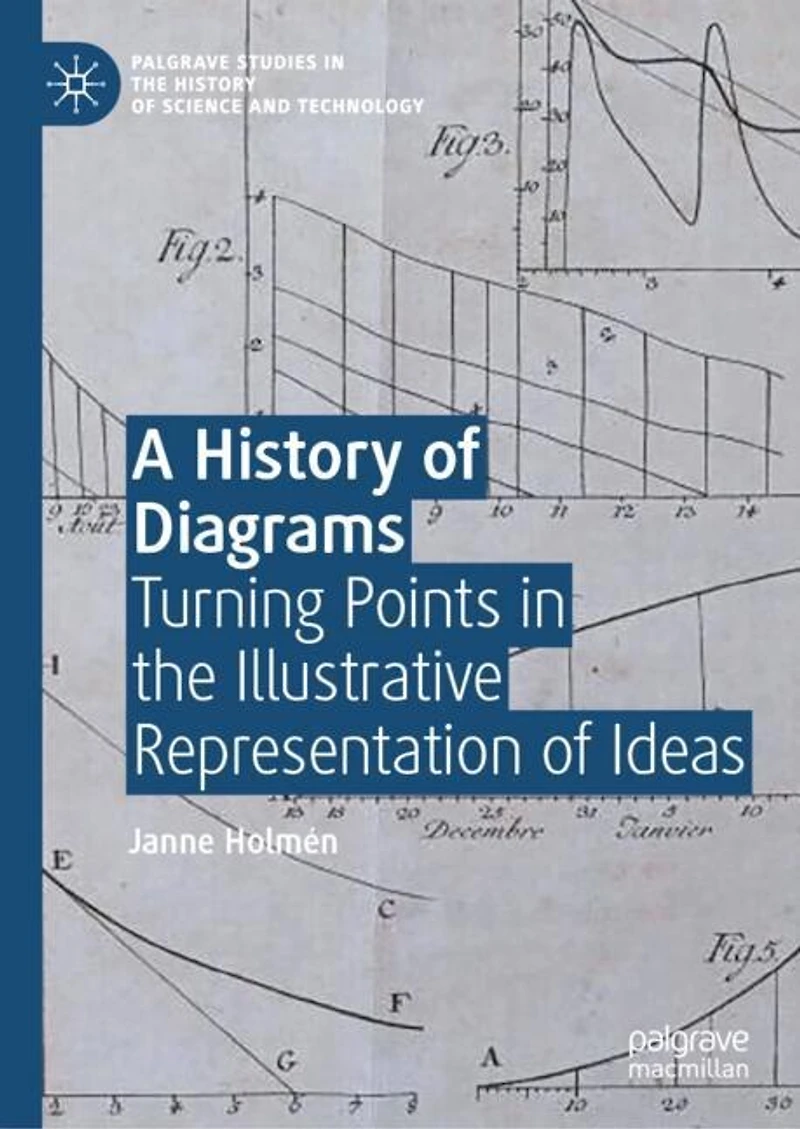
This book examines the use of diagrams throughout history, from their Paleolithic antecedents to the present day. Drawing on theories and concepts from the cognitive sciences, the author explores the evolution of diagrammatic forms and their impact on the accumulation and dissemination of knowledge. This exploration reveals how paradigm shifts in worldviews and advances in image production technologies have shaped the way humans have given spatial form to abstract ideas. Highlighting global trends and regional variations, the book offers insights into how different societies have visualised complex ideas over time. Scholars, researchers and students in disciplines such as cognitive science, history and visual studies will find this book enlightening. It provides a comprehensive analysis that bridges historical and contemporary perspectives, making it essential reading for anyone seeking to understand the central role of diagrams in human thought and communication.
This book examines the use of diagrams throughout history, from their Paleolithic antecedents to the present day. Drawing on theories and concepts from the cognitive sciences, the author explores the evolution of diagrammatic forms and their impact on the accumulation and dissemination of knowledge. This exploration reveals how paradigm shifts in worldviews and advances in image production technologies have shaped the way humans have given spatial form to abstract ideas. Highlighting global trends and regional variations, the book offers insights into how different societies have visualised complex ideas over time. Scholars, researchers and students in disciplines such as cognitive science, history and visual studies will find this book enlightening. It provides a comprehensive analysis that bridges historical and contemporary perspectives, making it essential reading for anyone seeking to understand the central role of diagrams in human thought and communication.
You May Also Like


















More About Indigo at Erin Mills Town Centre
The largest book retailer in Canada also offers toys, music, home décor, gifts and lifestyle products. What's Inside...Books, Magazines, CD’s and DVD’s, Toys and Gifts, Home Accents, Electronics, Baby’s and Children’s Section, Bath and Body, Kitchen and Bedroom, Stationary Located outside in the exterior plaza.
5015 Glen Erin Dr, Mississauga, ON L5M 0R7, Canada
Find Indigo at Erin Mills Town Centre in Mississauga ON
Visit Indigo at Erin Mills Town Centre in Mississauga ON