

GIVE THE PERFECT GIFT
Erin Mills Town Centre Gift Cards are the perfect choice for your gift giving needs.Purchase gift cards at kiosks near the food court or centre court, at Guest Services, or click below to purchase online.PURCHASE HEREHome
A History of India's Green Revolution: Reign of Technocracy
Indigo
Loading Inventory...
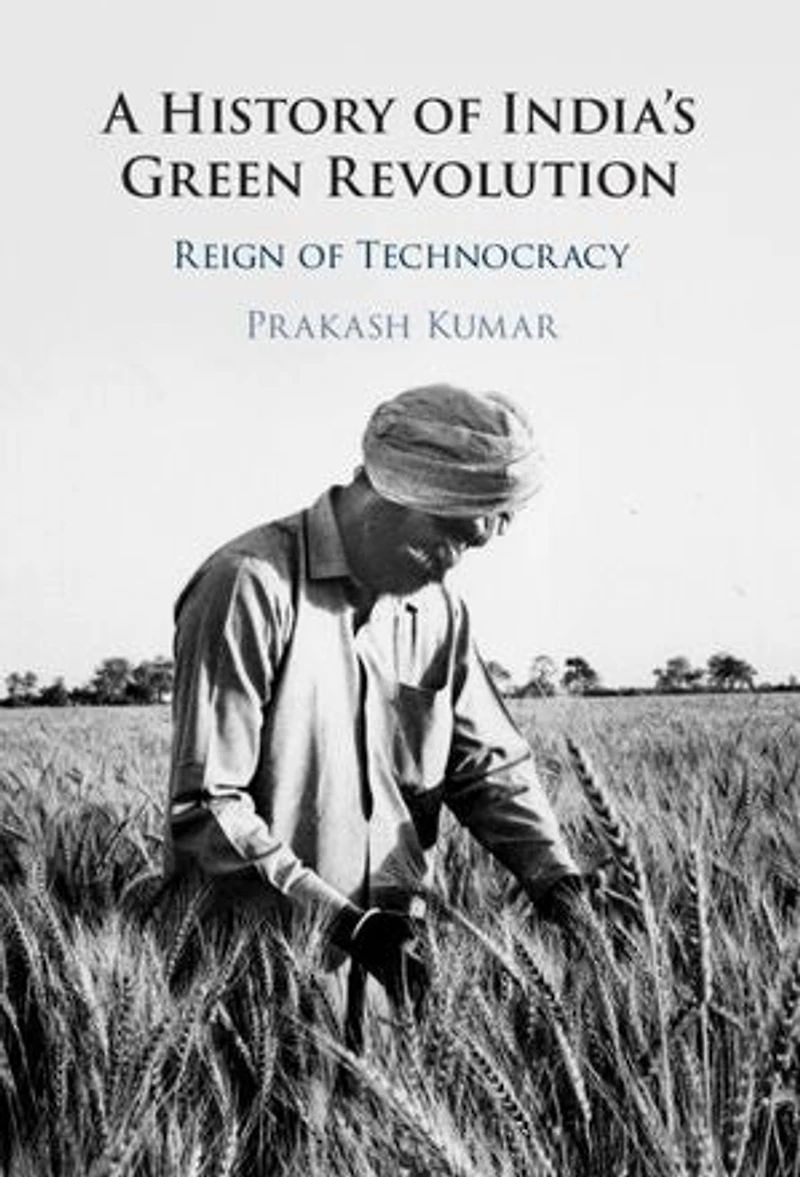
A History of India's Green Revolution: Reign of Technocracy
Current price: $110.39
Original price: $137.95

A History of India's Green Revolution: Reign of Technocracy
Current price: $110.39
Original price: $137.95
Loading Inventory...
Size: Kobo eBook
*Product information may vary - to confirm product availability, pricing, shipping and return information please contact Indigo
In the mid-1960s, India's 'green revolution' saw the embrace of more productive agricultural practices and high yielding variety seeds, bringing the country out of food scarcity. Although lauded as a success of the Cold War fight against hunger, the green revolution has also faced criticisms for causing ecological degradation and socio-economic inequality. This book contextualizes the 'green revolution' to show the contingencies and pitfalls of agrarian transformation. Prakash Kumar unpacks its contested history, tracing agricultural modernization in India from colonial-era crop development, to land and tenure reforms, community development, and the expansion of arable lands. He also examines the involvement of the colonial state, post-colonial elites, and American modernizers. Over time, all of these efforts came under the spell of technocracy, an unyielding belief in the power of technology to solve social and economic underdevelopment which, Kumar argues, best explains what caused the green revolution.
In the mid-1960s, India's 'green revolution' saw the embrace of more productive agricultural practices and high yielding variety seeds, bringing the country out of food scarcity. Although lauded as a success of the Cold War fight against hunger, the green revolution has also faced criticisms for causing ecological degradation and socio-economic inequality. This book contextualizes the 'green revolution' to show the contingencies and pitfalls of agrarian transformation. Prakash Kumar unpacks its contested history, tracing agricultural modernization in India from colonial-era crop development, to land and tenure reforms, community development, and the expansion of arable lands. He also examines the involvement of the colonial state, post-colonial elites, and American modernizers. Over time, all of these efforts came under the spell of technocracy, an unyielding belief in the power of technology to solve social and economic underdevelopment which, Kumar argues, best explains what caused the green revolution.
You May Also Like













More About Indigo at Erin Mills Town Centre
The largest book retailer in Canada also offers toys, music, home décor, gifts and lifestyle products. What's Inside...Books, Magazines, CD’s and DVD’s, Toys and Gifts, Home Accents, Electronics, Baby’s and Children’s Section, Bath and Body, Kitchen and Bedroom, Stationary Located outside in the exterior plaza.
5015 Glen Erin Dr, Mississauga, ON L5M 0R7, Canada
Find Indigo at Erin Mills Town Centre in Mississauga ON
Visit Indigo at Erin Mills Town Centre in Mississauga ON