

GIVE THE PERFECT GIFT
Erin Mills Town Centre Gift Cards are the perfect choice for your gift giving needs.Purchase gift cards at kiosks near the food court or centre court, at Guest Services, or click below to purchase online.PURCHASE HEREHome
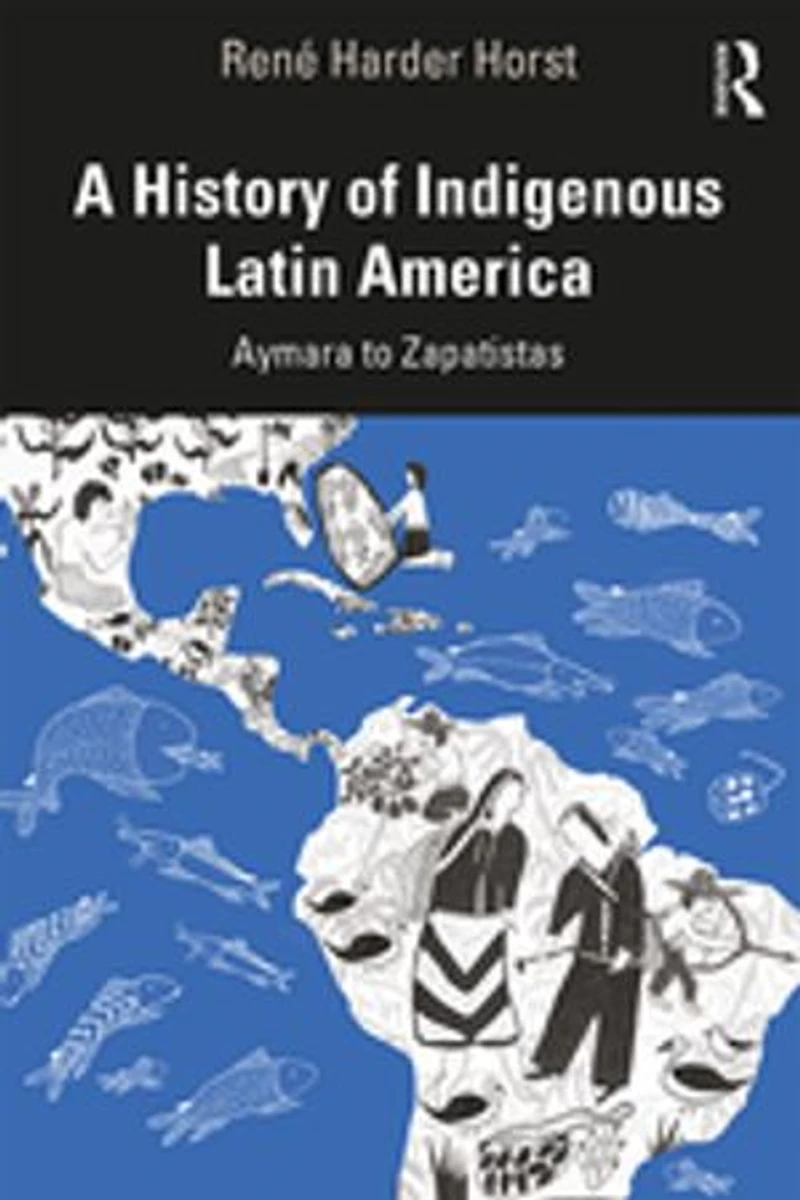
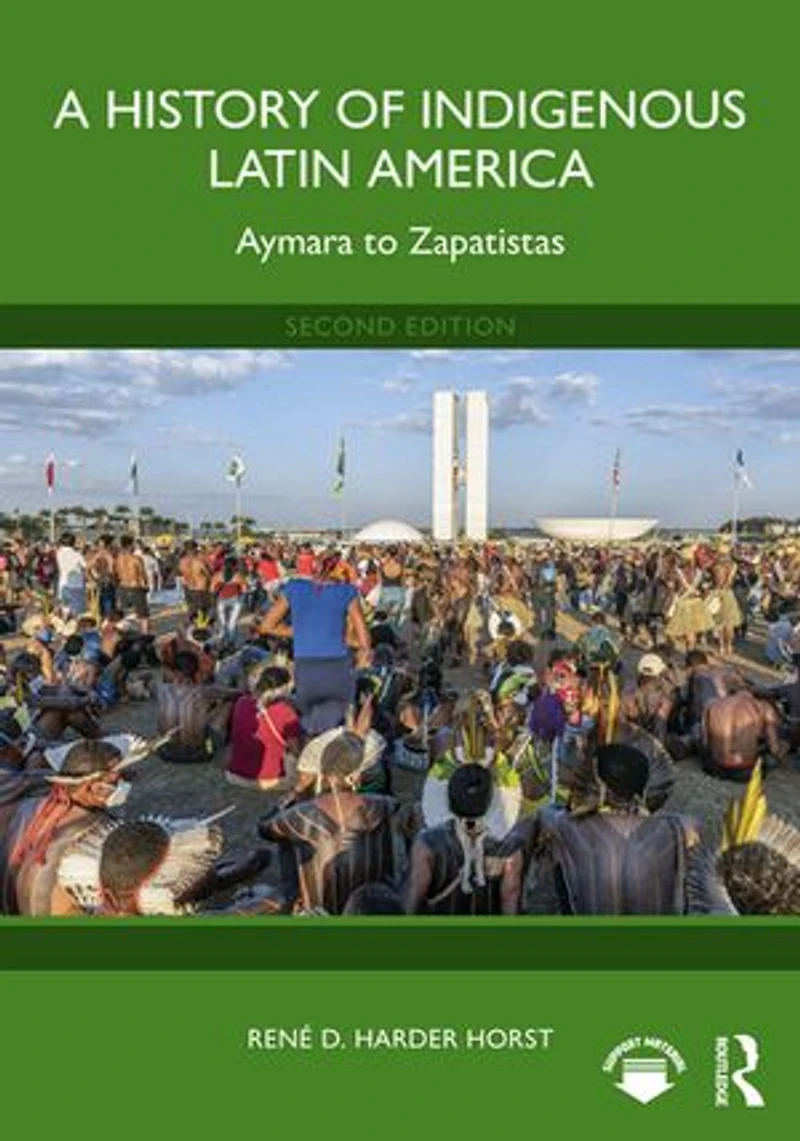
A History of Indigenous Latin America: Aymara to Zapatistas
Indigo
Loading Inventory...
A History of Indigenous Latin America: Aymara to Zapatistas
Current price: $296.50

A History of Indigenous Latin America: Aymara to Zapatistas
Current price: $296.50
Loading Inventory...
Size: Hardcover
*Product information may vary - to confirm product availability, pricing, shipping and return information please contact Indigo
A History of Indigenous Latin America is a comprehensive introduction to the people who first settled in Latin America, from before the arrival of the Europeans to the present.
Indigenous history provides a singular perspective to political, social and economic changes that followed European settlement and the African slave trade in Latin America. Set broadly within a postcolonial theoretical framework and enhanced by anthropology, economics, sociology, and religion, this textbook includes military conflicts and nonviolent resistance, transculturation, labor, political organization, gender, and broad selective accommodation. Uniquely organized into periods of 50 years to facilitate classroom use, it allows students to ground important indigenous historical events and cultural changes within the timeframe of a typical university semester.
Supported by images, textboxes, and linked documents in each chapter that aid learning and provide a new perspective that broadly enhances Latin American history and studies, it is the perfect introductory textbook for students.
A History of Indigenous Latin America is a comprehensive introduction to the people who first settled in Latin America, from before the arrival of the Europeans to the present.
Indigenous history provides a singular perspective to political, social and economic changes that followed European settlement and the African slave trade in Latin America. Set broadly within a postcolonial theoretical framework and enhanced by anthropology, economics, sociology, and religion, this textbook includes military conflicts and nonviolent resistance, transculturation, labor, political organization, gender, and broad selective accommodation. Uniquely organized into periods of 50 years to facilitate classroom use, it allows students to ground important indigenous historical events and cultural changes within the timeframe of a typical university semester.
Supported by images, textboxes, and linked documents in each chapter that aid learning and provide a new perspective that broadly enhances Latin American history and studies, it is the perfect introductory textbook for students.
You May Also Like







More About Indigo at Erin Mills Town Centre
The largest book retailer in Canada also offers toys, music, home décor, gifts and lifestyle products. What's Inside...Books, Magazines, CD’s and DVD’s, Toys and Gifts, Home Accents, Electronics, Baby’s and Children’s Section, Bath and Body, Kitchen and Bedroom, Stationary Located outside in the exterior plaza.
5015 Glen Erin Dr, Mississauga, ON L5M 0R7, Canada
Find Indigo at Erin Mills Town Centre in Mississauga ON
Visit Indigo at Erin Mills Town Centre in Mississauga ON