

GIVE THE PERFECT GIFT
Erin Mills Town Centre Gift Cards are the perfect choice for your gift giving needs.Purchase gift cards at kiosks near the food court or centre court, at Guest Services, or click below to purchase online.PURCHASE HEREHome
A History of Prejudice: Race, Caste, and Difference India the United States
Indigo
Loading Inventory...
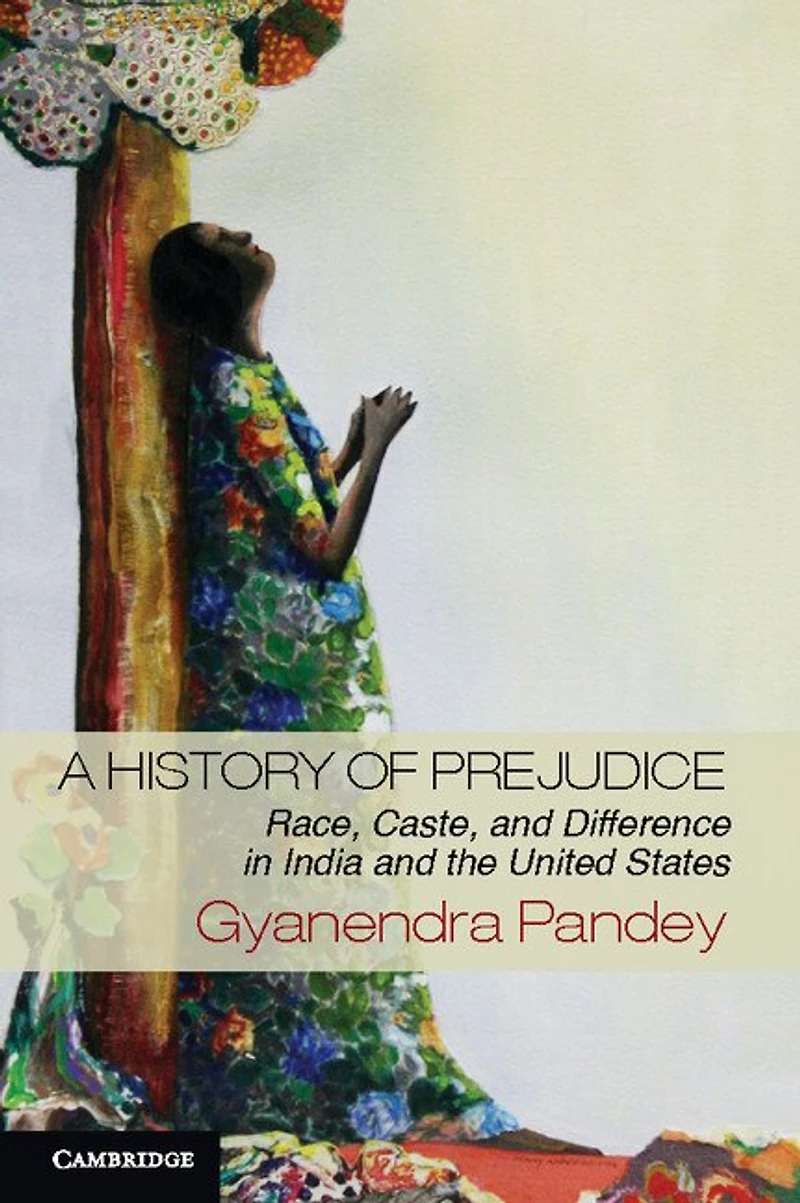
A History of Prejudice: Race, Caste, and Difference India the United States
Current price: $121.95

A History of Prejudice: Race, Caste, and Difference India the United States
Current price: $121.95
Loading Inventory...
Size: Hardcover
*Product information may vary - to confirm product availability, pricing, shipping and return information please contact Indigo
This is a book about prejudice and democracy, and the prejudice of democracy. In comparing the historical struggles of two geographically disparate populations – Indian Dalits (once known as Untouchables) and African Americans – Gyanendra Pandey, the leading subaltern historian, examines the multiple dimensions of prejudice in two of the world's leading democracies. The juxtaposition of two very different locations and histories and, within each of these, of varying public and private narratives of struggle, allows for an uncommon analysis of the limits of citizenship in modern societies and states. Pandey, with his characteristic delicacy, probes the histories of his protagonists to uncover a shadowy world where intolerance and discrimination are part of both public and private lives. This unusual and sobering book is revelatory in its exploration of the contradictory history of promise and denial that is common to the official narratives of nations such as India and the United States and the ideologies of many opposition movements.
This is a book about prejudice and democracy, and the prejudice of democracy. In comparing the historical struggles of two geographically disparate populations – Indian Dalits (once known as Untouchables) and African Americans – Gyanendra Pandey, the leading subaltern historian, examines the multiple dimensions of prejudice in two of the world's leading democracies. The juxtaposition of two very different locations and histories and, within each of these, of varying public and private narratives of struggle, allows for an uncommon analysis of the limits of citizenship in modern societies and states. Pandey, with his characteristic delicacy, probes the histories of his protagonists to uncover a shadowy world where intolerance and discrimination are part of both public and private lives. This unusual and sobering book is revelatory in its exploration of the contradictory history of promise and denial that is common to the official narratives of nations such as India and the United States and the ideologies of many opposition movements.
You May Also Like















More About Indigo at Erin Mills Town Centre
The largest book retailer in Canada also offers toys, music, home décor, gifts and lifestyle products. What's Inside...Books, Magazines, CD’s and DVD’s, Toys and Gifts, Home Accents, Electronics, Baby’s and Children’s Section, Bath and Body, Kitchen and Bedroom, Stationary Located outside in the exterior plaza.
5015 Glen Erin Dr, Mississauga, ON L5M 0R7, Canada
Find Indigo at Erin Mills Town Centre in Mississauga ON
Visit Indigo at Erin Mills Town Centre in Mississauga ON