

GIVE THE PERFECT GIFT
Erin Mills Town Centre Gift Cards are the perfect choice for your gift giving needs.Purchase gift cards at kiosks near the food court or centre court, at Guest Services, or click below to purchase online.PURCHASE HEREHome
A Judeo-Christian Appraisal of Major Theories of Truth
Indigo
Loading Inventory...
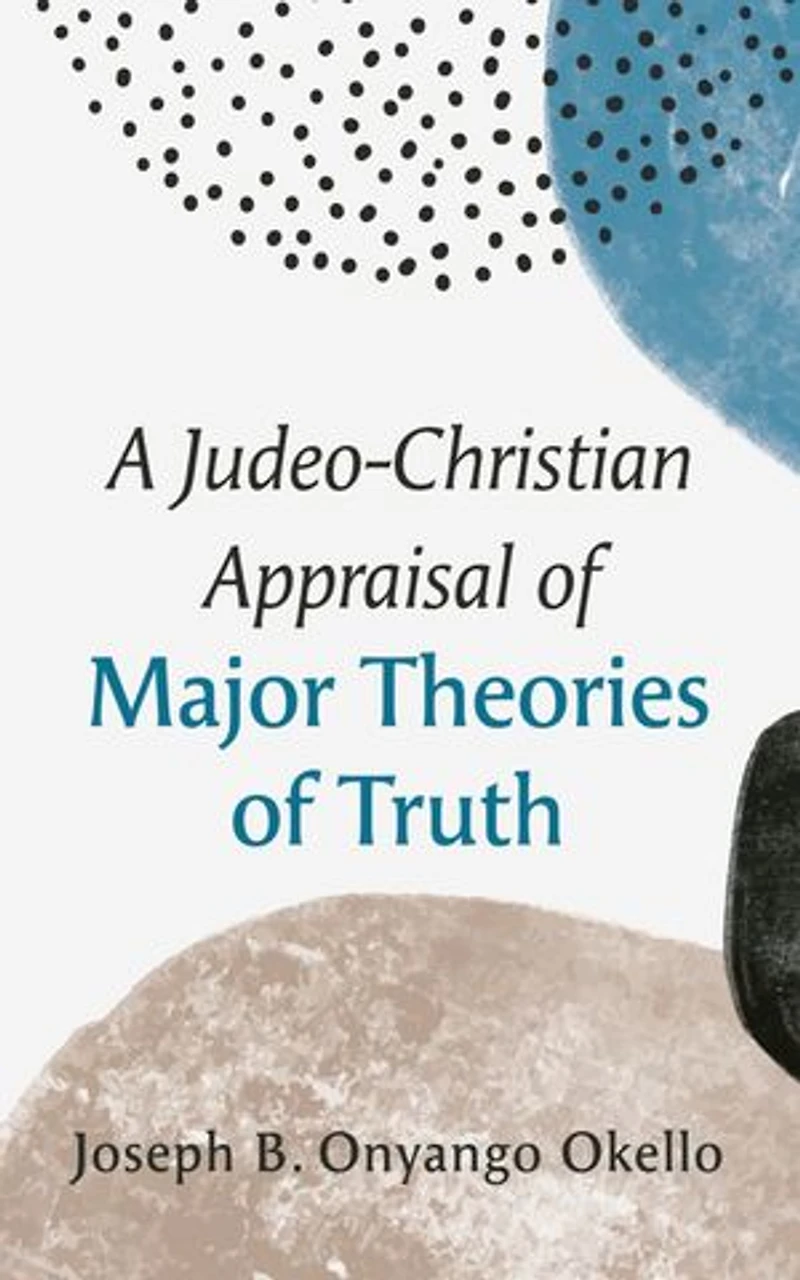
A Judeo-Christian Appraisal of Major Theories of Truth
Current price: $29.59
Original price: $36.99

A Judeo-Christian Appraisal of Major Theories of Truth
Current price: $29.59
Original price: $36.99
Loading Inventory...
Size: Kobo eBook
*Product information may vary - to confirm product availability, pricing, shipping and return information please contact Indigo
What is truth? How should we define it? Should we define it christologically as Jesus did when he revealed himself to Thomas as the embodiment of truth, or should we appeal to philosophy for help? This book explores possible answers to these questions. More specifically, the book offers a brief survey of how different philosophical theories have attempted to define truth. After finding them somewhat incomplete, the book shows how an adequate account of truth is given by the Judeo-Christian tradition's view of omniscience. By drawing from the rich tradition of the church fathers, the book notes how naturalistic views of truth fail to account for the existence of truth prior to the evolution of the human mind. This problem, however, is a non-issue for a theistic account of truth and makes a strong case for the existence of objective truth even before the human mind was designed.
What is truth? How should we define it? Should we define it christologically as Jesus did when he revealed himself to Thomas as the embodiment of truth, or should we appeal to philosophy for help? This book explores possible answers to these questions. More specifically, the book offers a brief survey of how different philosophical theories have attempted to define truth. After finding them somewhat incomplete, the book shows how an adequate account of truth is given by the Judeo-Christian tradition's view of omniscience. By drawing from the rich tradition of the church fathers, the book notes how naturalistic views of truth fail to account for the existence of truth prior to the evolution of the human mind. This problem, however, is a non-issue for a theistic account of truth and makes a strong case for the existence of objective truth even before the human mind was designed.
You May Also Like







More About Indigo at Erin Mills Town Centre
The largest book retailer in Canada also offers toys, music, home décor, gifts and lifestyle products. What's Inside...Books, Magazines, CD’s and DVD’s, Toys and Gifts, Home Accents, Electronics, Baby’s and Children’s Section, Bath and Body, Kitchen and Bedroom, Stationary Located outside in the exterior plaza.
5015 Glen Erin Dr, Mississauga, ON L5M 0R7, Canada
Find Indigo at Erin Mills Town Centre in Mississauga ON
Visit Indigo at Erin Mills Town Centre in Mississauga ON