

GIVE THE PERFECT GIFT
Erin Mills Town Centre Gift Cards are the perfect choice for your gift giving needs.Purchase gift cards at kiosks near the food court or centre court, at Guest Services, or click below to purchase online.PURCHASE HEREHome
A Jungian Perspective on the Therapist-Patient Relationship Film: Cinema As Our Therapist
Indigo
Loading Inventory...
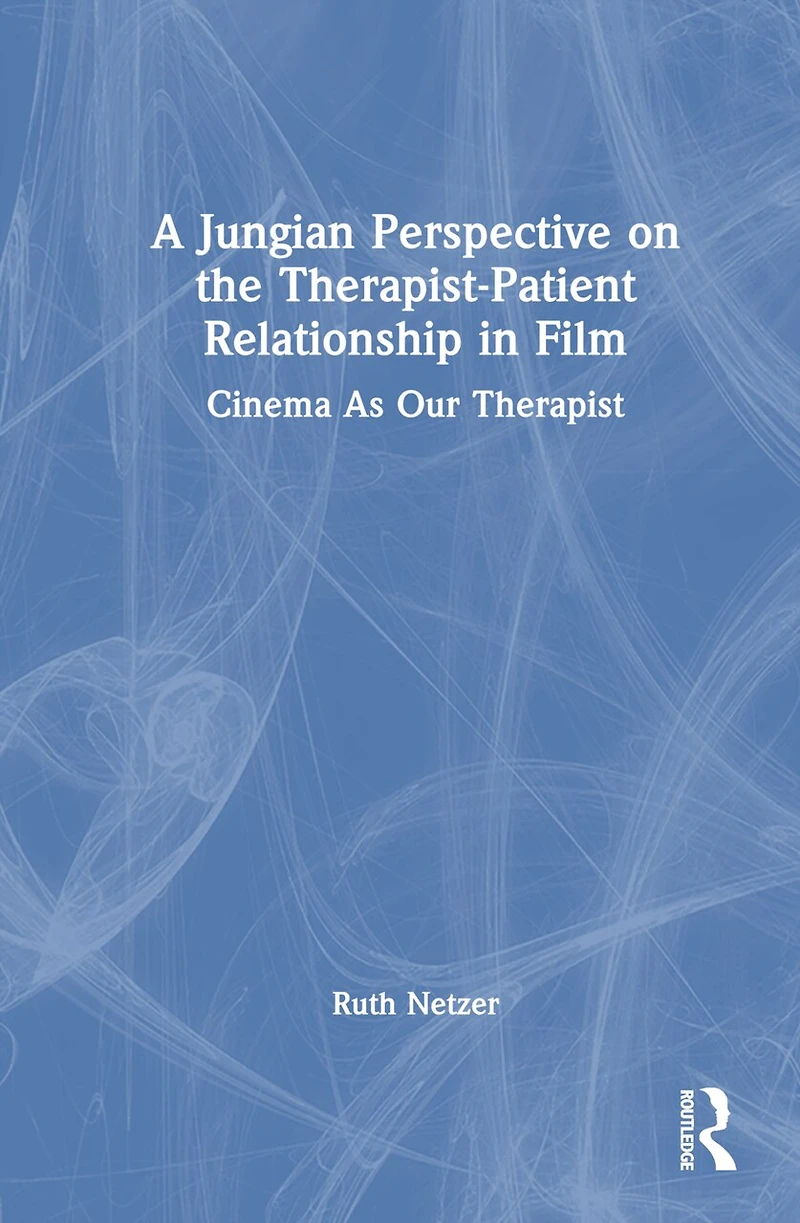
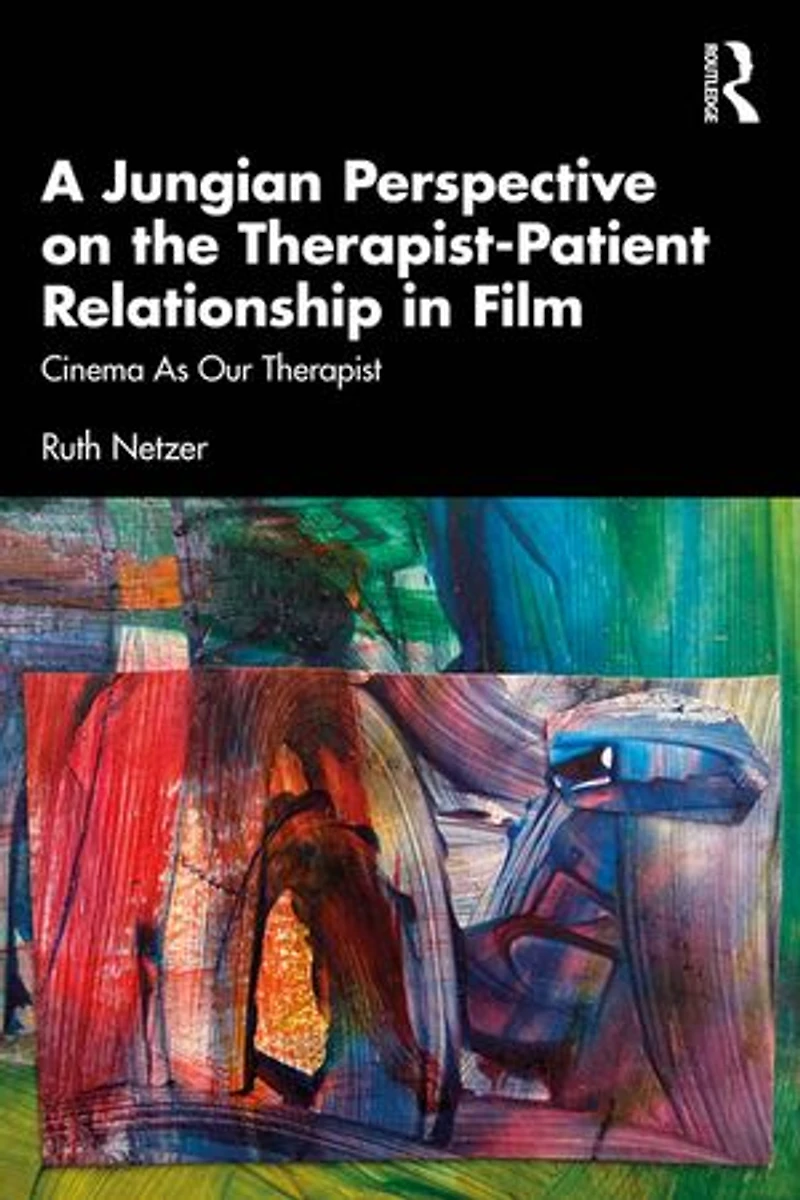
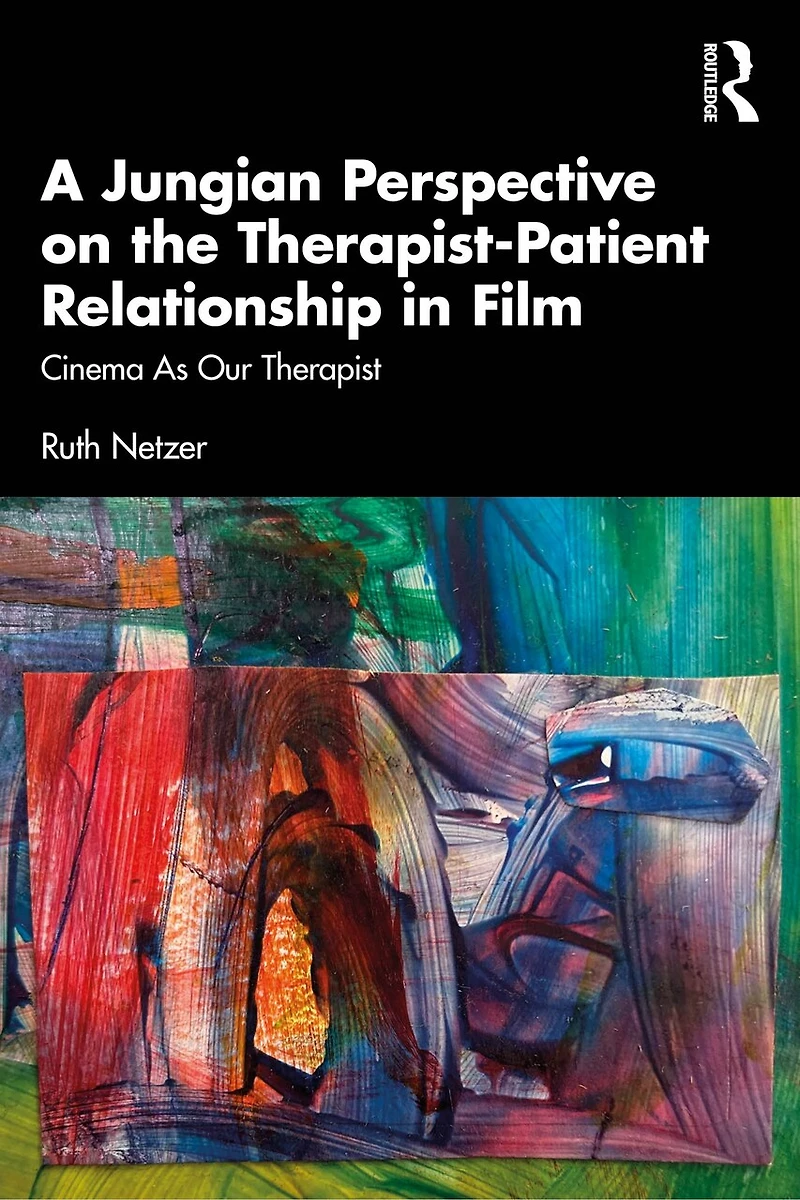
A Jungian Perspective on the Therapist-Patient Relationship Film: Cinema As Our Therapist
Current price: $266.50

A Jungian Perspective on the Therapist-Patient Relationship Film: Cinema As Our Therapist
Current price: $266.50
Loading Inventory...
Size: Hardcover
*Product information may vary - to confirm product availability, pricing, shipping and return information please contact Indigo
Within this book, Ruth Netzer explores the archetypal components of therapist-patient relations in cinema from the perspective of Jungian archetypal symbolism, and within the context of myth and ritual. Film is a medium that is attracted to the extremes of this specific relationship, depicting the collapse of the accepted boundaries of therapy; though on the other hand, cinema also loves the fantasy of therapy as intimacy. Through the medium of film, and employing examples from over 45 well-known films, the author analyzes the successes and failures of therapists within film, and reviews the concepts of transference and counter-transference and their therapeutic and redemptive powers, in contrast to their potential for destruction and exploitation within the context of a patient-therapist relationship. This book will be a fascinating read for Jungian analysts, psychologists, psychiatrists, and therapists with an interest in the link between cinema and therapy, as well as filmmakers and students and teachers of film studies.
Within this book, Ruth Netzer explores the archetypal components of therapist-patient relations in cinema from the perspective of Jungian archetypal symbolism, and within the context of myth and ritual. Film is a medium that is attracted to the extremes of this specific relationship, depicting the collapse of the accepted boundaries of therapy; though on the other hand, cinema also loves the fantasy of therapy as intimacy. Through the medium of film, and employing examples from over 45 well-known films, the author analyzes the successes and failures of therapists within film, and reviews the concepts of transference and counter-transference and their therapeutic and redemptive powers, in contrast to their potential for destruction and exploitation within the context of a patient-therapist relationship. This book will be a fascinating read for Jungian analysts, psychologists, psychiatrists, and therapists with an interest in the link between cinema and therapy, as well as filmmakers and students and teachers of film studies.
You May Also Like







More About Indigo at Erin Mills Town Centre
The largest book retailer in Canada also offers toys, music, home décor, gifts and lifestyle products. What's Inside...Books, Magazines, CD’s and DVD’s, Toys and Gifts, Home Accents, Electronics, Baby’s and Children’s Section, Bath and Body, Kitchen and Bedroom, Stationary Located outside in the exterior plaza.
5015 Glen Erin Dr, Mississauga, ON L5M 0R7, Canada
Find Indigo at Erin Mills Town Centre in Mississauga ON
Visit Indigo at Erin Mills Town Centre in Mississauga ON