

GIVE THE PERFECT GIFT
Erin Mills Town Centre Gift Cards are the perfect choice for your gift giving needs.Purchase gift cards at kiosks near the food court or centre court, at Guest Services, or click below to purchase online.PURCHASE HEREHome
A Jurisprudence of the Body
Indigo
Loading Inventory...
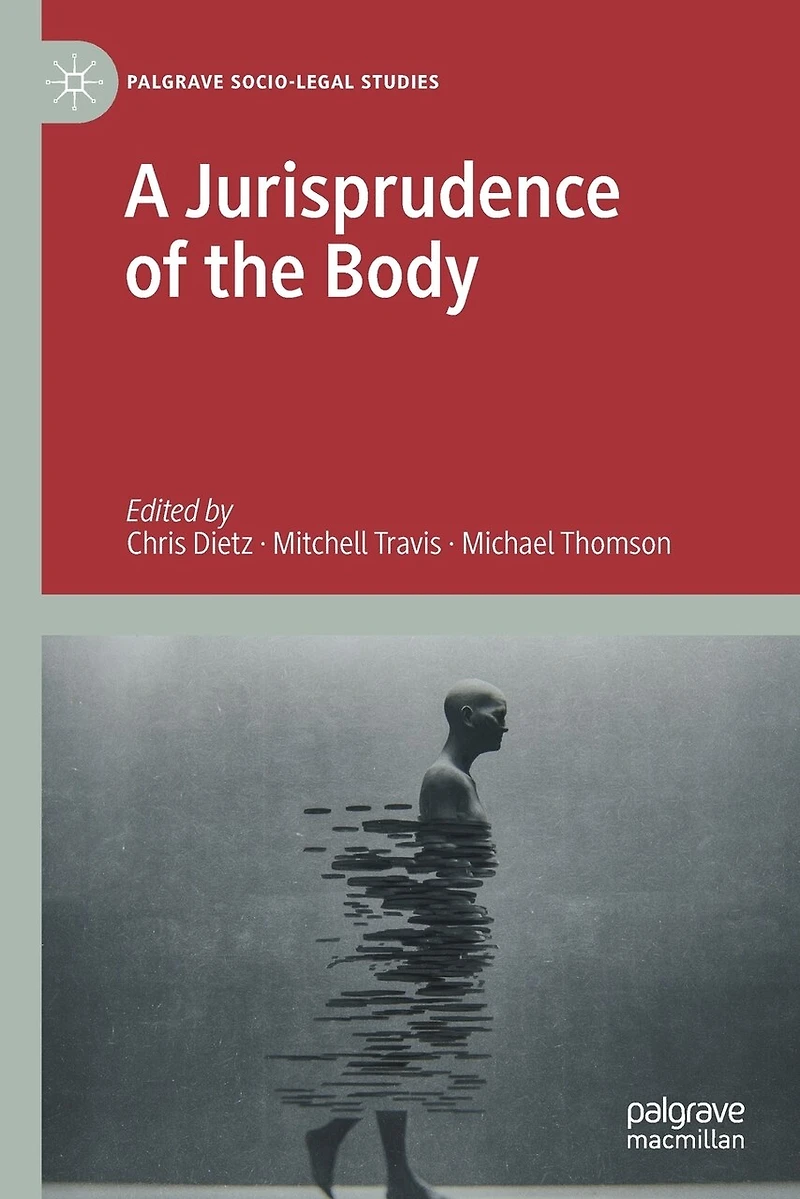
A Jurisprudence of the Body
Current price: $233.95

A Jurisprudence of the Body
Current price: $233.95
Loading Inventory...
Size: Paperback
*Product information may vary - to confirm product availability, pricing, shipping and return information please contact Indigo
This book brings together a range of theoretical perspectives to consider fundamental questions of health law and the place of the body within it. Health, and more recently health law, has long been animated by discussions of particular bodies - whether they are disordered, diseased, or disabled - but each of these classificatory regimes claim some knowledge about the body. This edited collection aims to uncover and challenge the fundamental assumptions that underpin medico-legal knowledge claims about such bodies. This exploration is achieved through a mix of perspectives, but many contributors look towards embodiment as a perspective that understands bodies to be shaped by their institutional contexts. Much of this work alerts us to the idea that medical practitioners not only respond to healthcare issues, but also create them through their own understandings of 'normality' and 'fixing'. Bodies, as a result, cannot be understood outside of, or as separate to, their medical and legal contexts. This compelling book pushes the possibility of new directions in health care and health justice.
Chapter 5 is available open access under a Creative Commons Attribution 4.0 International License via link.springer.com.
This book brings together a range of theoretical perspectives to consider fundamental questions of health law and the place of the body within it. Health, and more recently health law, has long been animated by discussions of particular bodies - whether they are disordered, diseased, or disabled - but each of these classificatory regimes claim some knowledge about the body. This edited collection aims to uncover and challenge the fundamental assumptions that underpin medico-legal knowledge claims about such bodies. This exploration is achieved through a mix of perspectives, but many contributors look towards embodiment as a perspective that understands bodies to be shaped by their institutional contexts. Much of this work alerts us to the idea that medical practitioners not only respond to healthcare issues, but also create them through their own understandings of 'normality' and 'fixing'. Bodies, as a result, cannot be understood outside of, or as separate to, their medical and legal contexts. This compelling book pushes the possibility of new directions in health care and health justice.
Chapter 5 is available open access under a Creative Commons Attribution 4.0 International License via link.springer.com.
You May Also Like














More About Indigo at Erin Mills Town Centre
The largest book retailer in Canada also offers toys, music, home décor, gifts and lifestyle products. What's Inside...Books, Magazines, CD’s and DVD’s, Toys and Gifts, Home Accents, Electronics, Baby’s and Children’s Section, Bath and Body, Kitchen and Bedroom, Stationary Located outside in the exterior plaza.
5015 Glen Erin Dr, Mississauga, ON L5M 0R7, Canada
Find Indigo at Erin Mills Town Centre in Mississauga ON
Visit Indigo at Erin Mills Town Centre in Mississauga ON