

GIVE THE PERFECT GIFT
Erin Mills Town Centre Gift Cards are the perfect choice for your gift giving needs.Purchase gift cards at kiosks near the food court or centre court, at Guest Services, or click below to purchase online.PURCHASE HEREHome
A Language of One’s Own: Literary Arabic, the Palestinians and Israel
Indigo
Loading Inventory...
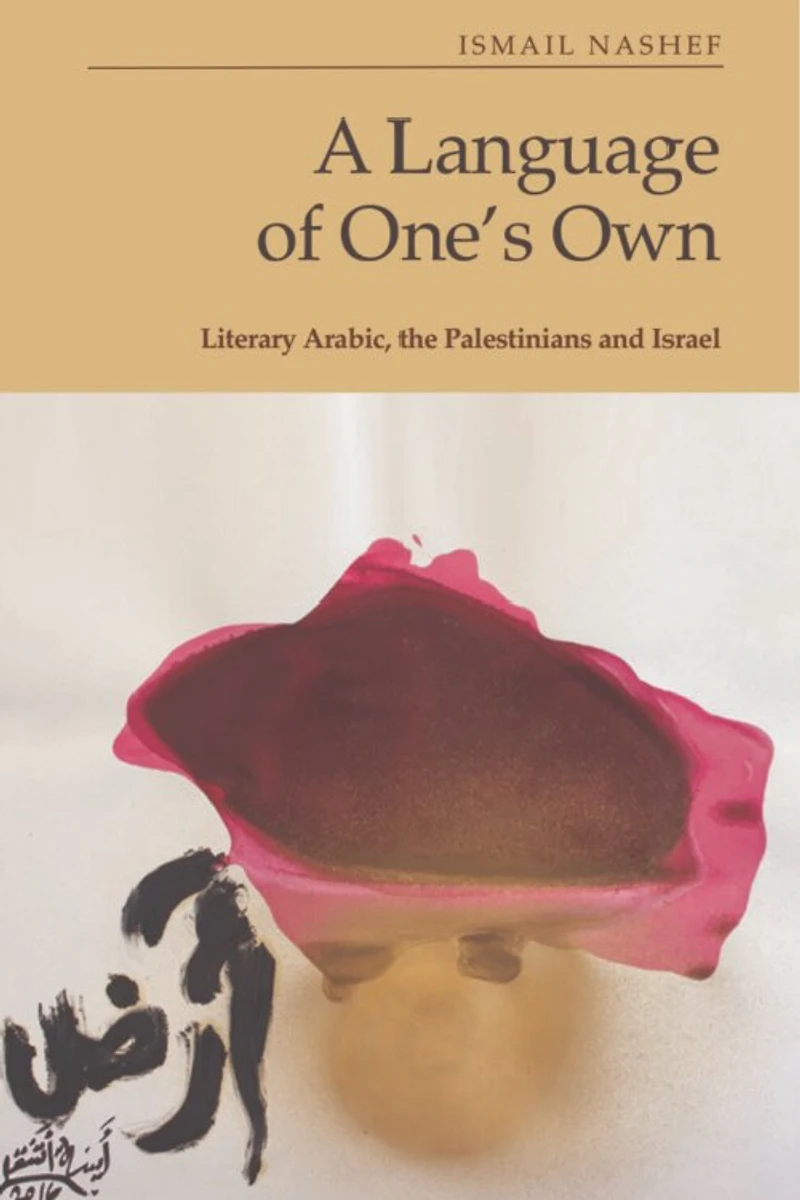
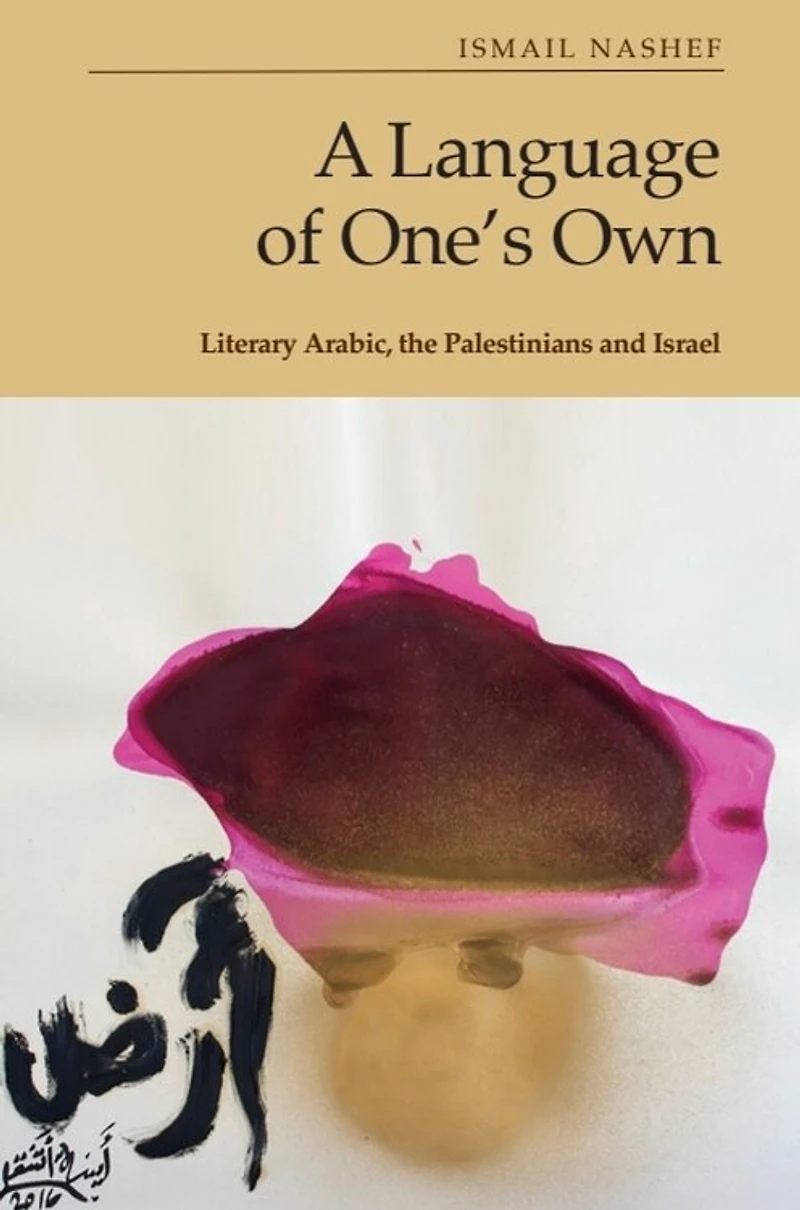
A Language of One’s Own: Literary Arabic, the Palestinians and Israel
Current price: $151.83

A Language of One’s Own: Literary Arabic, the Palestinians and Israel
Current price: $151.83
Loading Inventory...
Size: Hardcover
*Product information may vary - to confirm product availability, pricing, shipping and return information please contact Indigo
Following the establishment of Israel in 1948, literary Arabic became one of the main representatives of Palestinian national identity within Israel, and therefore a contested public site. Various state agencies and Palestinian groups were active in this public site, calling for certain ways of reading and writing in Arabic. These ways influenced the processes of reshaping the Palestinian national identity that were ignited by the war of 1948. Addressing the Palestinian reading public in Israel, both state agencies and Palestinian groups used literary criticism, as well as other genres, to promote and inculcate their preferred ways of reading and writing.
Ismail Nashef argues that since 1948 there have been three distinct modes for addressing the Palestinian reading public through literary Arabic: the public intellectual mode, the academic mode and the professional expert mode. Based on rich literary, historical and legal data, the book offers a fresh case study of literary settler colonial contexts, in which language, literature and socio-political regime are re-examined based on new data. It demonstrates the impossibility of rebuilding Palestinian national identities within the Zionist regime, highlighting the literary embodiment of the ongoing settler colonial condition of Palestinians in Israel.
Following the establishment of Israel in 1948, literary Arabic became one of the main representatives of Palestinian national identity within Israel, and therefore a contested public site. Various state agencies and Palestinian groups were active in this public site, calling for certain ways of reading and writing in Arabic. These ways influenced the processes of reshaping the Palestinian national identity that were ignited by the war of 1948. Addressing the Palestinian reading public in Israel, both state agencies and Palestinian groups used literary criticism, as well as other genres, to promote and inculcate their preferred ways of reading and writing.
Ismail Nashef argues that since 1948 there have been three distinct modes for addressing the Palestinian reading public through literary Arabic: the public intellectual mode, the academic mode and the professional expert mode. Based on rich literary, historical and legal data, the book offers a fresh case study of literary settler colonial contexts, in which language, literature and socio-political regime are re-examined based on new data. It demonstrates the impossibility of rebuilding Palestinian national identities within the Zionist regime, highlighting the literary embodiment of the ongoing settler colonial condition of Palestinians in Israel.
You May Also Like








More About Indigo at Erin Mills Town Centre
The largest book retailer in Canada also offers toys, music, home décor, gifts and lifestyle products. What's Inside...Books, Magazines, CD’s and DVD’s, Toys and Gifts, Home Accents, Electronics, Baby’s and Children’s Section, Bath and Body, Kitchen and Bedroom, Stationary Located outside in the exterior plaza.
5015 Glen Erin Dr, Mississauga, ON L5M 0R7, Canada
Find Indigo at Erin Mills Town Centre in Mississauga ON
Visit Indigo at Erin Mills Town Centre in Mississauga ON