

GIVE THE PERFECT GIFT
Erin Mills Town Centre Gift Cards are the perfect choice for your gift giving needs.Purchase gift cards at kiosks near the food court or centre court, at Guest Services, or click below to purchase online.PURCHASE HEREHome
A Less Familiar Plato: From Phaedo to Philebus
Indigo
Loading Inventory...
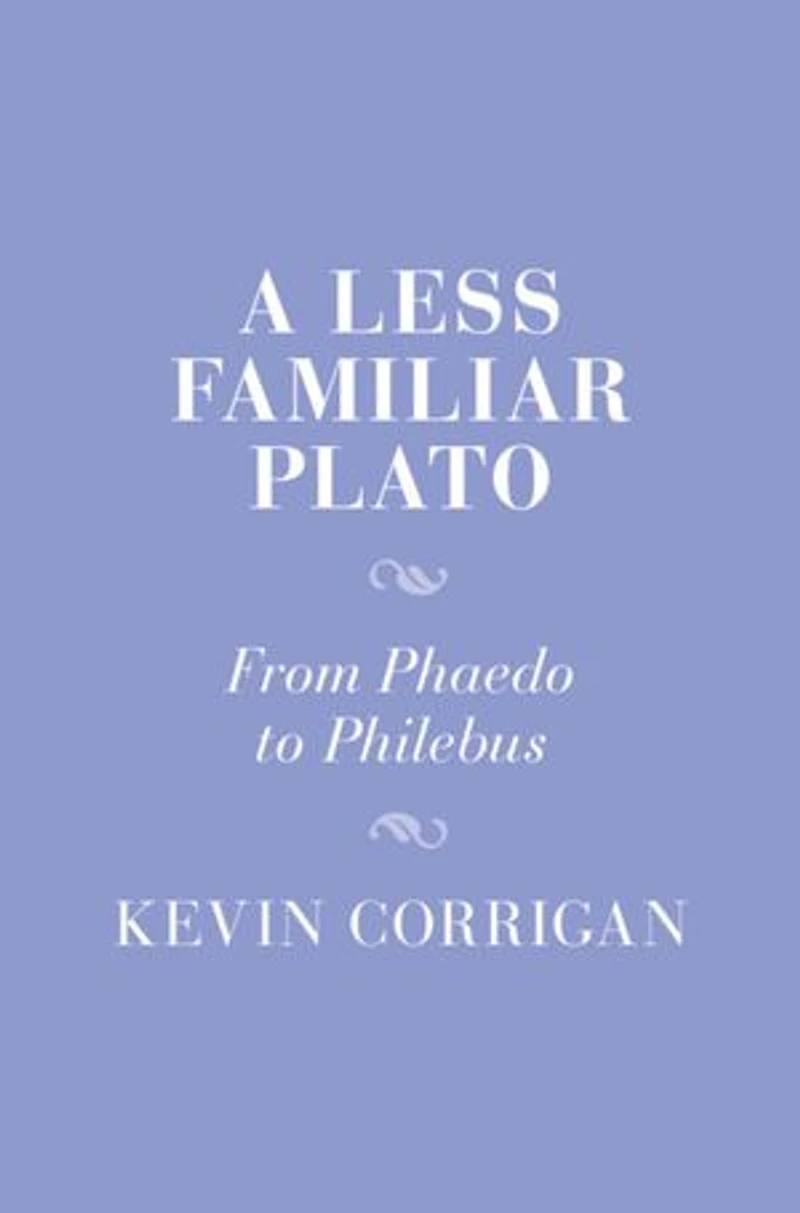
A Less Familiar Plato: From Phaedo to Philebus
Current price: $106.39
Original price: $132.95

A Less Familiar Plato: From Phaedo to Philebus
Current price: $106.39
Original price: $132.95
Loading Inventory...
Size: Kobo eBook
*Product information may vary - to confirm product availability, pricing, shipping and return information please contact Indigo
In this book, Kevin Corrigan sheds light on aspects of Plato's thought that are less familiar to contemporary readers. He reveals a Plato who believes in Forms but is not essentialist, who develops a scientific view of perception in the middle and late dialogues, and who offers positive models of art and science. Corrigan shows how Plato articulates a broader view of intelligible reality in which embodiment is affirmative and the mind-soul-body continuum has an eidetic structure, and where even failure and the imperfect are included. He also demonstrates that Plato developed an ideal, yet finely layered view of love that provided a practical guide throughout antiquity; and that the dialogues and unwritten teachings can be understood in a mutually open-ended, non-antagonistic way. Corrigan's book provides a guide to Plato in an unexpected key and poses important questions regarding imagination, divine inspiration, and Forms and the Good, among other topics.
In this book, Kevin Corrigan sheds light on aspects of Plato's thought that are less familiar to contemporary readers. He reveals a Plato who believes in Forms but is not essentialist, who develops a scientific view of perception in the middle and late dialogues, and who offers positive models of art and science. Corrigan shows how Plato articulates a broader view of intelligible reality in which embodiment is affirmative and the mind-soul-body continuum has an eidetic structure, and where even failure and the imperfect are included. He also demonstrates that Plato developed an ideal, yet finely layered view of love that provided a practical guide throughout antiquity; and that the dialogues and unwritten teachings can be understood in a mutually open-ended, non-antagonistic way. Corrigan's book provides a guide to Plato in an unexpected key and poses important questions regarding imagination, divine inspiration, and Forms and the Good, among other topics.
You May Also Like








More About Indigo at Erin Mills Town Centre
The largest book retailer in Canada also offers toys, music, home décor, gifts and lifestyle products. What's Inside...Books, Magazines, CD’s and DVD’s, Toys and Gifts, Home Accents, Electronics, Baby’s and Children’s Section, Bath and Body, Kitchen and Bedroom, Stationary Located outside in the exterior plaza.
5015 Glen Erin Dr, Mississauga, ON L5M 0R7, Canada
Find Indigo at Erin Mills Town Centre in Mississauga ON
Visit Indigo at Erin Mills Town Centre in Mississauga ON