

GIVE THE PERFECT GIFT
Erin Mills Town Centre Gift Cards are the perfect choice for your gift giving needs.Purchase gift cards at kiosks near the food court or centre court, at Guest Services, or click below to purchase online.PURCHASE HEREHome
A Letter Concerning Toleration
Indigo
Loading Inventory...
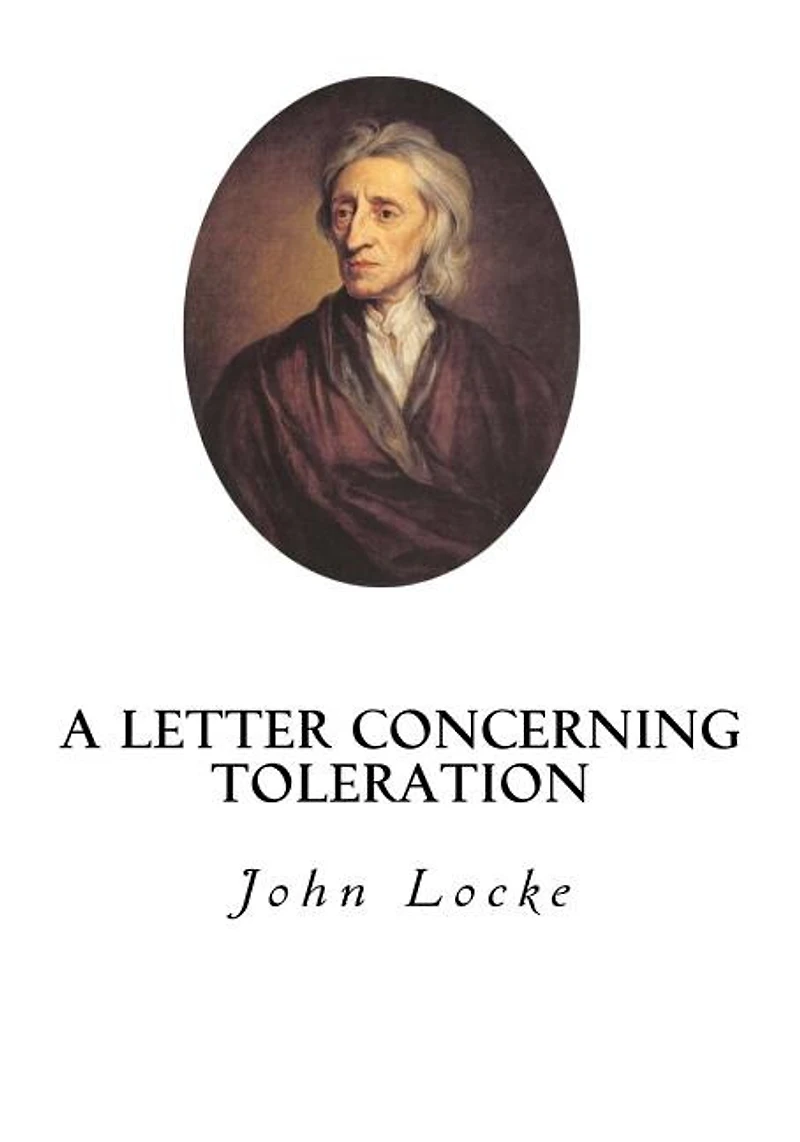
A Letter Concerning Toleration
Current price: $12.95

A Letter Concerning Toleration
Current price: $12.95
Loading Inventory...
Size: Paperback
*Product information may vary - to confirm product availability, pricing, shipping and return information please contact Indigo
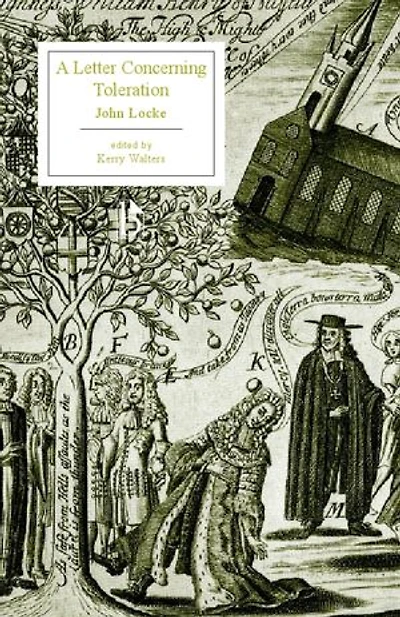
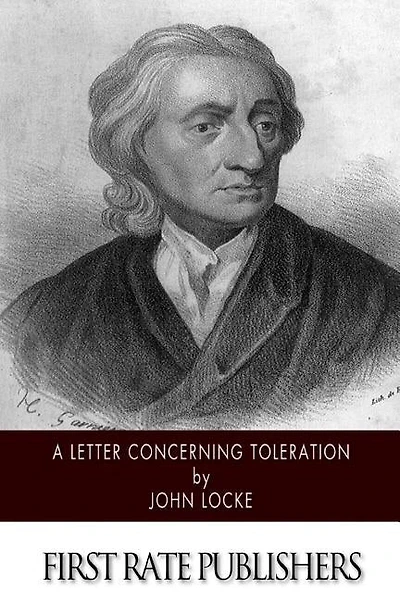
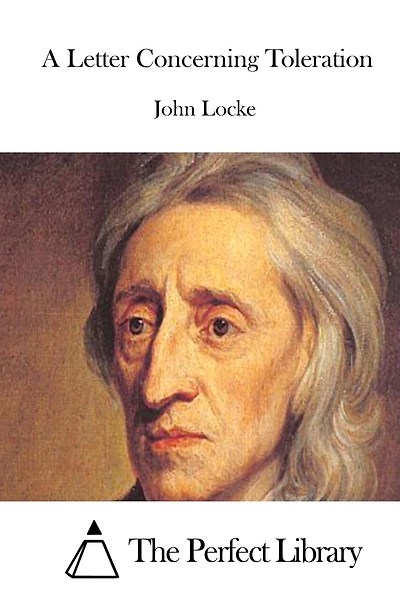
A Letter Concerning Toleration John Locke Translated by William Popple A Letter Concerning Toleration by John Locke was originally published in 1689. Its initial publication was in Latin, though it was immediately translated into other languages. Locke's work appeared amidst a fear that Catholicism might be taking over England, and responds to the problem of religion and government by proposing religious toleration as the answer. This "letter" is addressed to an anonymous "Honored Sir": this was actually Locke's close friend Philipp van Limborch, who published it without Locke's knowledge. One of the founders of Empiricism, Locke develops a philosophy that is contrary to the one expressed by Thomas Hobbes in Leviathan, in supporting toleration for various Christian denominations. Hobbes did allow for individuals to maintain their own religious beliefs as long as they outwardly expressed those of the state, however, and it has been argued that his rejection of Catholic Imperialism was the ultimate basis for Locke's rejection of government's interest in spiritual salvation.
A Letter Concerning Toleration John Locke Translated by William Popple A Letter Concerning Toleration by John Locke was originally published in 1689. Its initial publication was in Latin, though it was immediately translated into other languages. Locke's work appeared amidst a fear that Catholicism might be taking over England, and responds to the problem of religion and government by proposing religious toleration as the answer. This "letter" is addressed to an anonymous "Honored Sir": this was actually Locke's close friend Philipp van Limborch, who published it without Locke's knowledge. One of the founders of Empiricism, Locke develops a philosophy that is contrary to the one expressed by Thomas Hobbes in Leviathan, in supporting toleration for various Christian denominations. Hobbes did allow for individuals to maintain their own religious beliefs as long as they outwardly expressed those of the state, however, and it has been argued that his rejection of Catholic Imperialism was the ultimate basis for Locke's rejection of government's interest in spiritual salvation.
You May Also Like







More About Indigo at Erin Mills Town Centre
The largest book retailer in Canada also offers toys, music, home décor, gifts and lifestyle products. What's Inside...Books, Magazines, CD’s and DVD’s, Toys and Gifts, Home Accents, Electronics, Baby’s and Children’s Section, Bath and Body, Kitchen and Bedroom, Stationary Located outside in the exterior plaza.
5015 Glen Erin Dr, Mississauga, ON L5M 0R7, Canada
Find Indigo at Erin Mills Town Centre in Mississauga ON
Visit Indigo at Erin Mills Town Centre in Mississauga ON