

GIVE THE PERFECT GIFT
Erin Mills Town Centre Gift Cards are the perfect choice for your gift giving needs.Purchase gift cards at kiosks near the food court or centre court, at Guest Services, or click below to purchase online.PURCHASE HEREHome
A Letter Concerning Toleration
Indigo
Loading Inventory...
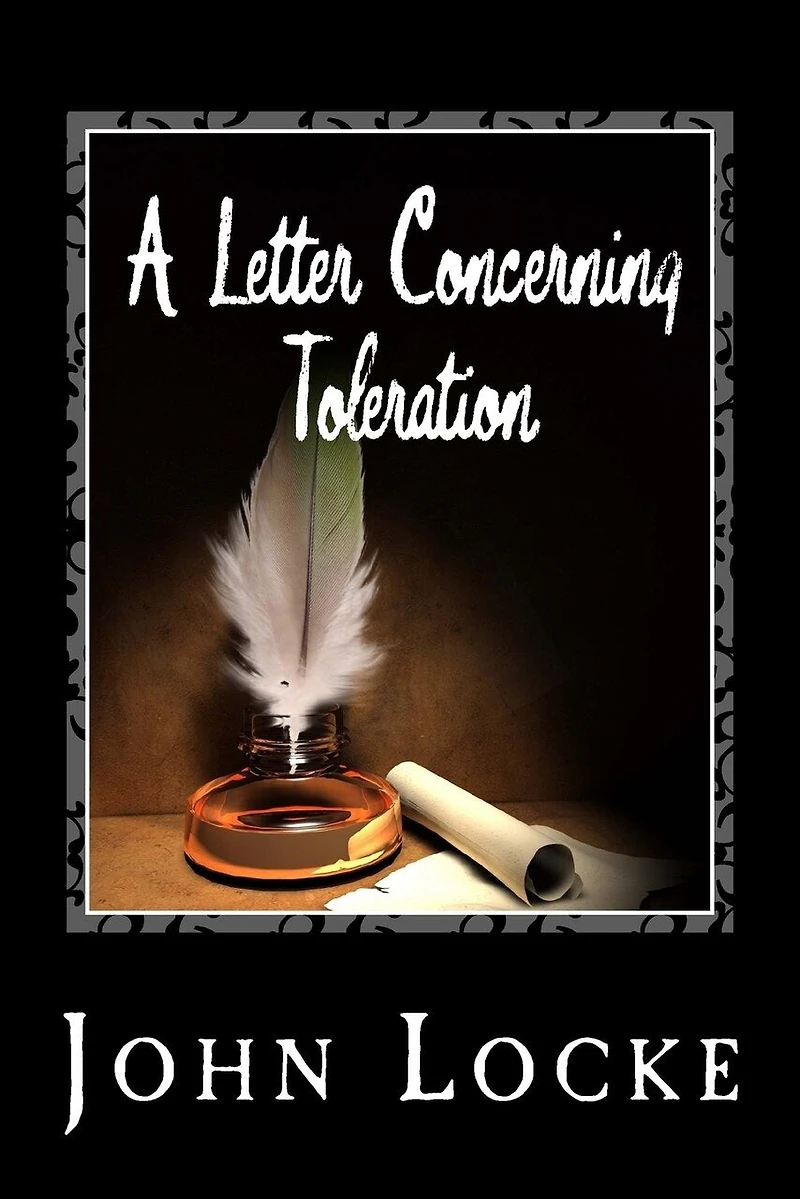
A Letter Concerning Toleration
Current price: $10.50

A Letter Concerning Toleration
Current price: $10.50
Loading Inventory...
Size: Paperback
*Product information may vary - to confirm product availability, pricing, shipping and return information please contact Indigo
John Locke's Letter Concerning Toleration is one of the most under-appreciated texts in the liberal tradition of political philosophy. The subject of the Letter is specifically religious toleration, but Locke's general argument for toleration is also applicable to issues of more modern concern. This is not a state of license, in that the civil government does not actively promote a variety of (or for that matter, any) religious practices, but it is a state of negative liberty, in which the state remains neutral to the religious content of religious worship. Specific sects or acts of worship can be banned if they are "prejudicial to other men's rights" or they "break the public peace of societies," but they cannot be banned on religious grounds. Some critics have argued that Locke's Letter is no longer very relevant: he deals only with religious toleration, and religious toleration is widely accepted and practiced in the modern Western world. However, the historical context of the Letter suggests it retains its relevance. In Locke's day, religion was not the dormant issue it is today; rather it was the most controversial issue of public debate. Before Locke, toleration was just something the underdog wished for in order to survive until he gained power over everyone else. Locke, however, goes beyond this pettiness and creates a theoretical defense of toleration as an extension of his political theory. While Locke probably did not imagine the controversial issues of political debate today, the broad basis for his defense of religious toleration implicitly justifies other sorts of social toleration in the modern world. If a state is created for the purposes and by the methods Locke suggests in his Second Treatise, then the men who consent to form such a state retain a significant negative liberty of belief and action. Any of these beliefs or actions must be tolerated by the state unless they fail Locke's criteria for religious toleration, namely, unless they are "prejudicial to other men's rights" or they "break the public peace of societies." If possible, I would recommend trying to find a copy of the Routledge edition of this work (ed. Horton & Mendus), which includes critical reactions to Locke's Letter. However, Amazon currently lists it as out of print. Whatever edition you can find is worth reading: the need for toleration is as great in our own time as it was in John Locke's, and his contribution to the debate is likewise as valuable now as it was then.
John Locke's Letter Concerning Toleration is one of the most under-appreciated texts in the liberal tradition of political philosophy. The subject of the Letter is specifically religious toleration, but Locke's general argument for toleration is also applicable to issues of more modern concern. This is not a state of license, in that the civil government does not actively promote a variety of (or for that matter, any) religious practices, but it is a state of negative liberty, in which the state remains neutral to the religious content of religious worship. Specific sects or acts of worship can be banned if they are "prejudicial to other men's rights" or they "break the public peace of societies," but they cannot be banned on religious grounds. Some critics have argued that Locke's Letter is no longer very relevant: he deals only with religious toleration, and religious toleration is widely accepted and practiced in the modern Western world. However, the historical context of the Letter suggests it retains its relevance. In Locke's day, religion was not the dormant issue it is today; rather it was the most controversial issue of public debate. Before Locke, toleration was just something the underdog wished for in order to survive until he gained power over everyone else. Locke, however, goes beyond this pettiness and creates a theoretical defense of toleration as an extension of his political theory. While Locke probably did not imagine the controversial issues of political debate today, the broad basis for his defense of religious toleration implicitly justifies other sorts of social toleration in the modern world. If a state is created for the purposes and by the methods Locke suggests in his Second Treatise, then the men who consent to form such a state retain a significant negative liberty of belief and action. Any of these beliefs or actions must be tolerated by the state unless they fail Locke's criteria for religious toleration, namely, unless they are "prejudicial to other men's rights" or they "break the public peace of societies." If possible, I would recommend trying to find a copy of the Routledge edition of this work (ed. Horton & Mendus), which includes critical reactions to Locke's Letter. However, Amazon currently lists it as out of print. Whatever edition you can find is worth reading: the need for toleration is as great in our own time as it was in John Locke's, and his contribution to the debate is likewise as valuable now as it was then.
You May Also Like







More About Indigo at Erin Mills Town Centre
The largest book retailer in Canada also offers toys, music, home décor, gifts and lifestyle products. What's Inside...Books, Magazines, CD’s and DVD’s, Toys and Gifts, Home Accents, Electronics, Baby’s and Children’s Section, Bath and Body, Kitchen and Bedroom, Stationary Located outside in the exterior plaza.
5015 Glen Erin Dr, Mississauga, ON L5M 0R7, Canada
Find Indigo at Erin Mills Town Centre in Mississauga ON
Visit Indigo at Erin Mills Town Centre in Mississauga ON