

GIVE THE PERFECT GIFT
Erin Mills Town Centre Gift Cards are the perfect choice for your gift giving needs.Purchase gift cards at kiosks near the food court or centre court, at Guest Services, or click below to purchase online.PURCHASE HEREHome
A Little Primer of Tu Fu
Indigo
Loading Inventory...
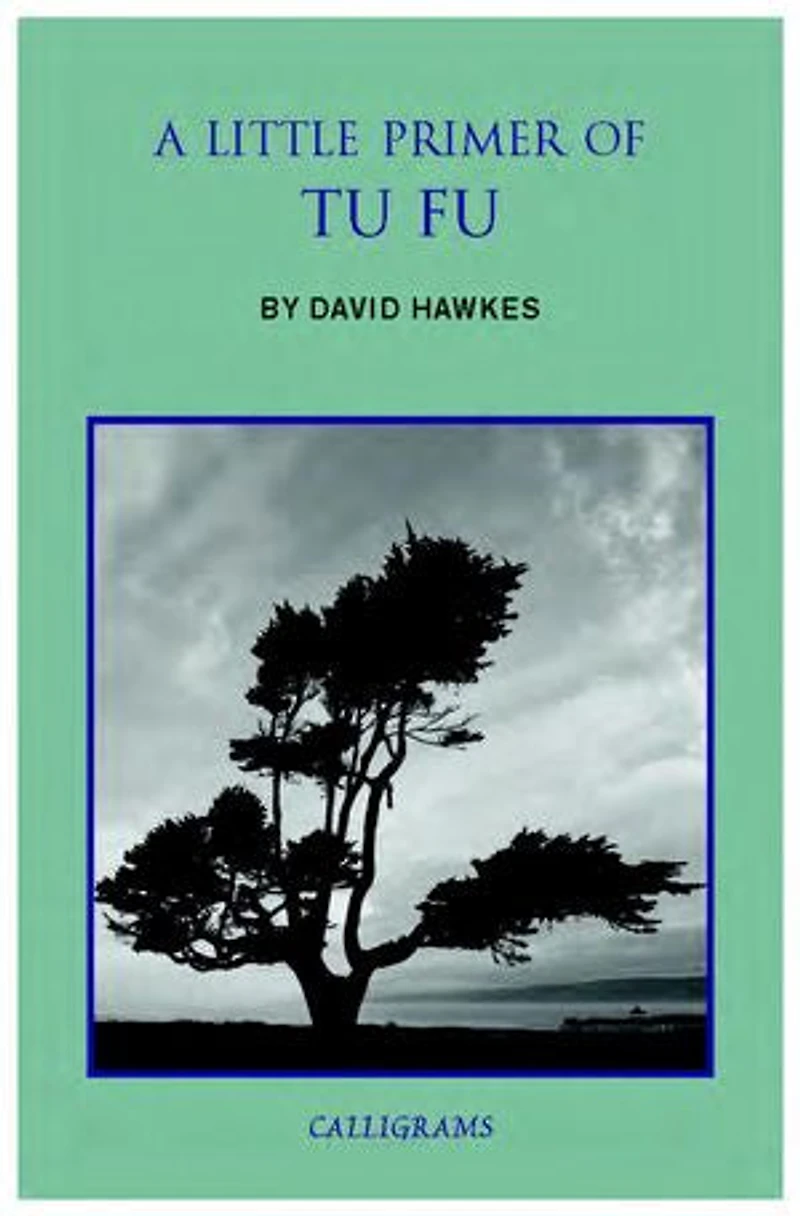
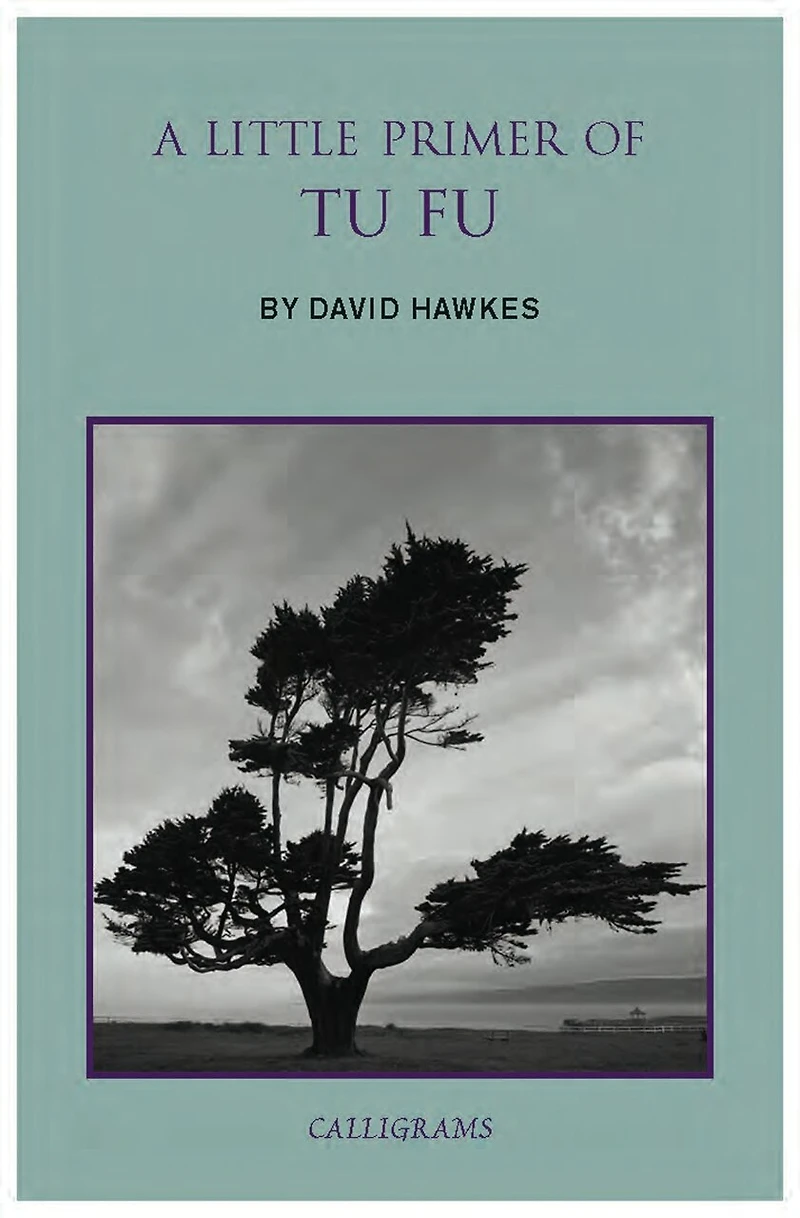
A Little Primer of Tu Fu
Current price: $13.59
Original price: $16.95

A Little Primer of Tu Fu
Current price: $13.59
Original price: $16.95
Loading Inventory...
Size: Kobo eBook
*Product information may vary - to confirm product availability, pricing, shipping and return information please contact Indigo
The deepest and most varied of the Tang Dynasty poets, Tu Fu (Du Fu) is, in the words of David Hinton, the “first complete poetic sensibility in Chinese literature.” Tu Fu merged the public and the private, often in the same poem, as his subjects ranged from the horrors of war to the delights of friendship, from closely observed landscapes to remembered dreams, from the evocation of historical moments to a wry lament over his own thinning hair.
Although Tu Fu has been translated often, and often brilliantly, David Hawkes’s classic study, first published in 1967, is the only book that demonstrates in depth how his poems were written. Hawkes presents thirty-five poems in the original Chinese, with a pinyin transliteration, a character-by-character translation, and a commentary on the subject, the form, the historical background, and the individual lines. There is no other book quite like it for any language: a nuts-and-bolts account of how Chinese poems in general, and specifically the poems of one of the world’s greatest poets, are constructed. It’s an irresistible challenge for readers to invent their own translations.
The deepest and most varied of the Tang Dynasty poets, Tu Fu (Du Fu) is, in the words of David Hinton, the “first complete poetic sensibility in Chinese literature.” Tu Fu merged the public and the private, often in the same poem, as his subjects ranged from the horrors of war to the delights of friendship, from closely observed landscapes to remembered dreams, from the evocation of historical moments to a wry lament over his own thinning hair.
Although Tu Fu has been translated often, and often brilliantly, David Hawkes’s classic study, first published in 1967, is the only book that demonstrates in depth how his poems were written. Hawkes presents thirty-five poems in the original Chinese, with a pinyin transliteration, a character-by-character translation, and a commentary on the subject, the form, the historical background, and the individual lines. There is no other book quite like it for any language: a nuts-and-bolts account of how Chinese poems in general, and specifically the poems of one of the world’s greatest poets, are constructed. It’s an irresistible challenge for readers to invent their own translations.
You May Also Like









More About Indigo at Erin Mills Town Centre
The largest book retailer in Canada also offers toys, music, home décor, gifts and lifestyle products. What's Inside...Books, Magazines, CD’s and DVD’s, Toys and Gifts, Home Accents, Electronics, Baby’s and Children’s Section, Bath and Body, Kitchen and Bedroom, Stationary Located outside in the exterior plaza.
5015 Glen Erin Dr, Mississauga, ON L5M 0R7, Canada
Find Indigo at Erin Mills Town Centre in Mississauga ON
Visit Indigo at Erin Mills Town Centre in Mississauga ON