

GIVE THE PERFECT GIFT
Erin Mills Town Centre Gift Cards are the perfect choice for your gift giving needs.Purchase gift cards at kiosks near the food court or centre court, at Guest Services, or click below to purchase online.PURCHASE HEREHome
A Lived Citizenship Approach to Unification Education: The Discursive Formation of Naturalized Citizens in a Divided Kor: The Discursive Formation of Naturalized Citizens in a Divided Korea
Indigo
Loading Inventory...
A Lived Citizenship Approach to Unification Education: The Discursive Formation of Naturalized Citizens in a Divided Kor: The Discursive Formation of Naturalized Citizens in a Divided Korea
Current price: $296.50

A Lived Citizenship Approach to Unification Education: The Discursive Formation of Naturalized Citizens in a Divided Kor: The Discursive Formation of Naturalized Citizens in a Divided Korea
Current price: $296.50
Loading Inventory...
Size: Hardcover
*Product information may vary - to confirm product availability, pricing, shipping and return information please contact Indigo
In South Korea, unification education (UE) aims to help students develop values and attitudes for Korean unification, anchored in democratic principles, national community consciousness, and national security awareness. Yet within this framework, the experiences of international immigrants remain largely absent from UE discourses. Drawing on in-depth interviews with naturalized citizens, this book highlights the experiences and thoughts of naturalized citizens to reimagine the concept of citizenship in UE. It examines how citizenship is conceptualized in national UE policies, reference materials, and textbooks; explores how naturalized Koreans understand their own citizenship and the prospects of unification; and proposes what an alternative, more inclusive UE curriculum might look like. The book reveals naturalized citizens' unrecognized, democratic, and in-between citizenship, through which they navigate the contested, expanding, and spatial-affective dimensions of Korean citizenship. Moving beyond critique, the book closes with a proposal for a transformative nonviolent approach to unification education curriculum, grounded in principles of openness, loose solidarity, and inter-living. Essential reading for researchers in citizenship education, Korean studies, migration studies, curriculum theory, and comparative education.
In South Korea, unification education (UE) aims to help students develop values and attitudes for Korean unification, anchored in democratic principles, national community consciousness, and national security awareness. Yet within this framework, the experiences of international immigrants remain largely absent from UE discourses. Drawing on in-depth interviews with naturalized citizens, this book highlights the experiences and thoughts of naturalized citizens to reimagine the concept of citizenship in UE. It examines how citizenship is conceptualized in national UE policies, reference materials, and textbooks; explores how naturalized Koreans understand their own citizenship and the prospects of unification; and proposes what an alternative, more inclusive UE curriculum might look like. The book reveals naturalized citizens' unrecognized, democratic, and in-between citizenship, through which they navigate the contested, expanding, and spatial-affective dimensions of Korean citizenship. Moving beyond critique, the book closes with a proposal for a transformative nonviolent approach to unification education curriculum, grounded in principles of openness, loose solidarity, and inter-living. Essential reading for researchers in citizenship education, Korean studies, migration studies, curriculum theory, and comparative education.
You May Also Like

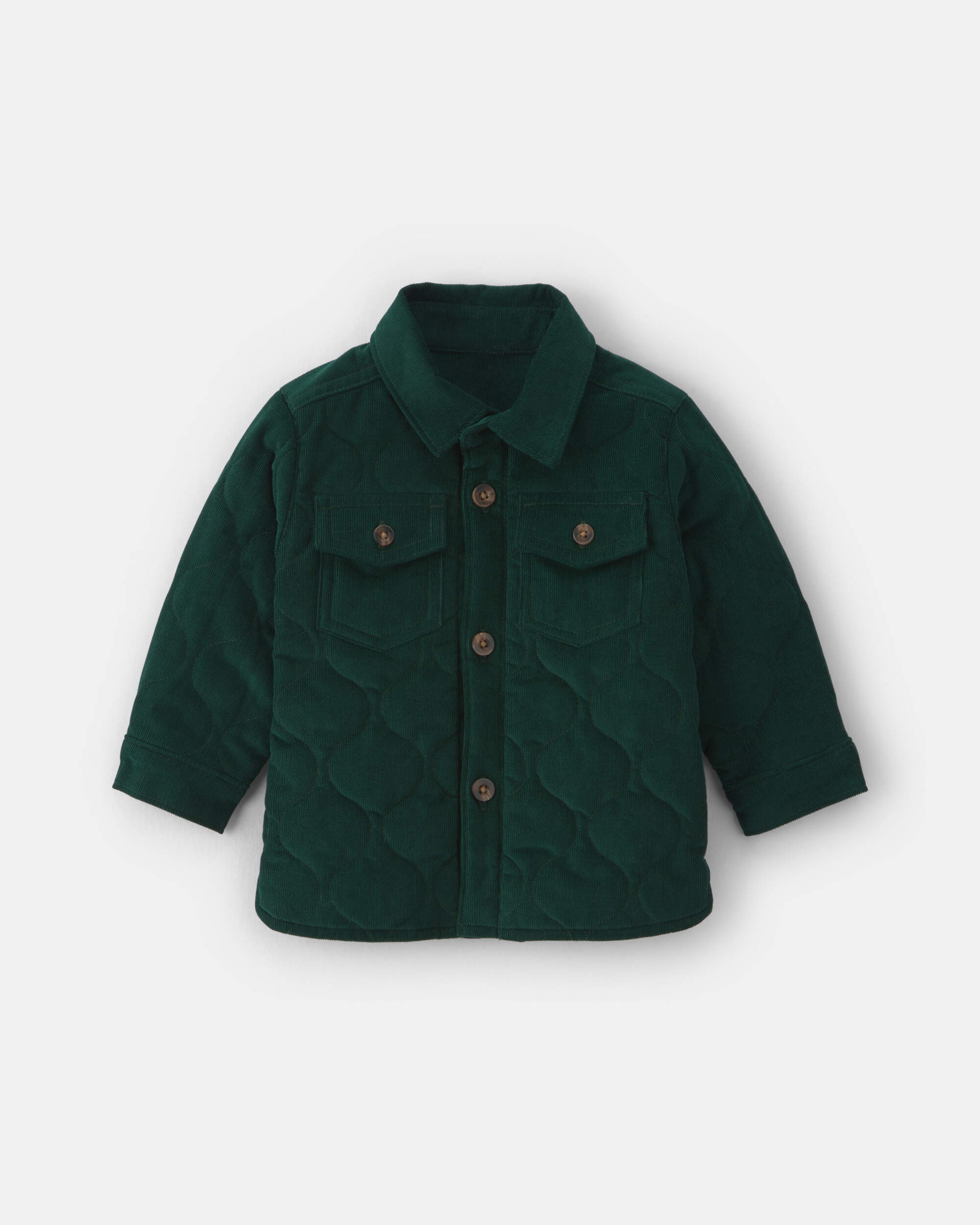
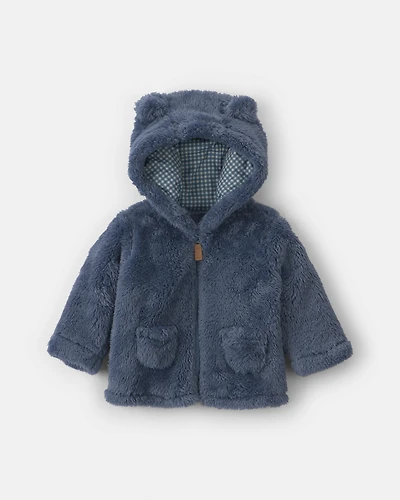
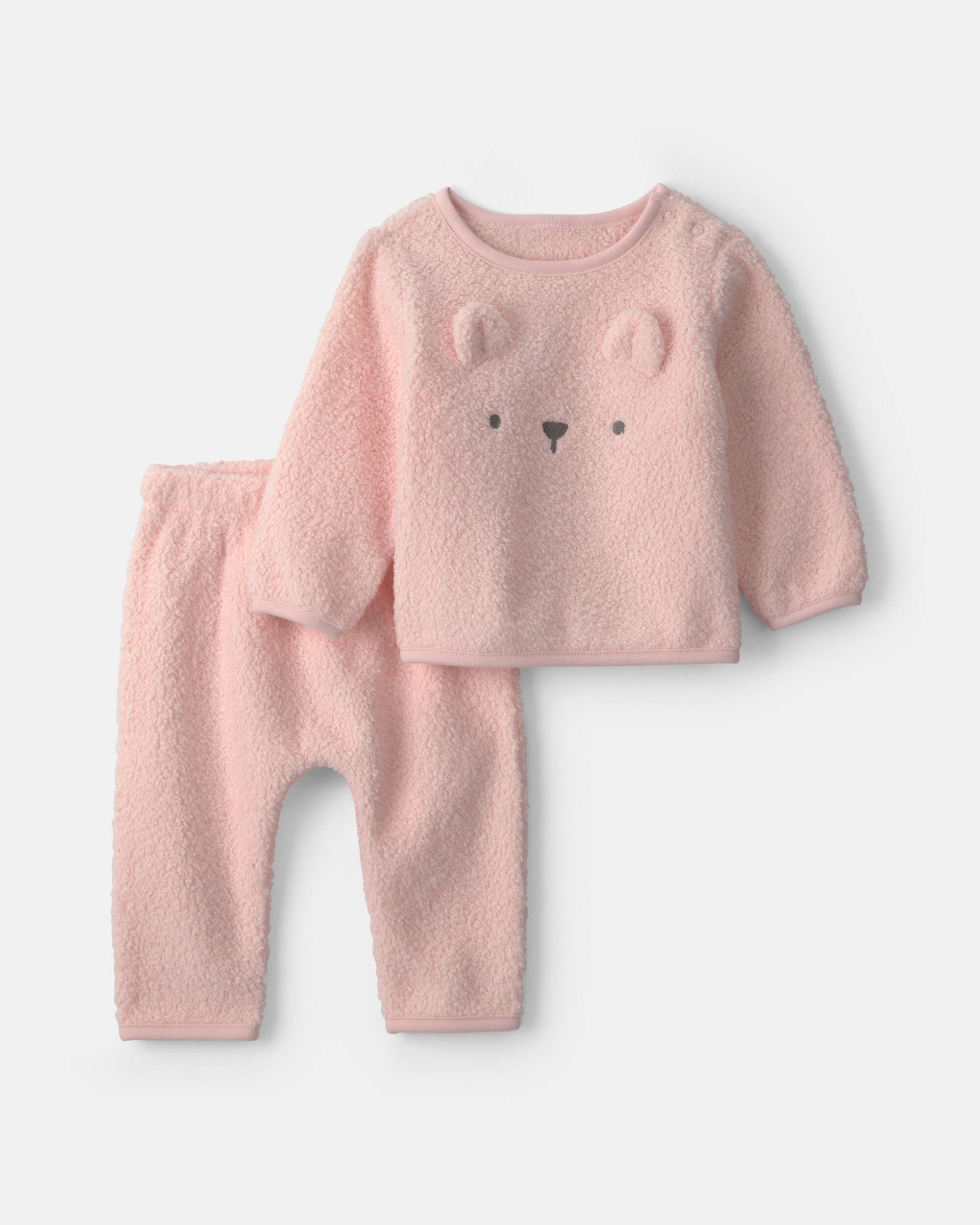
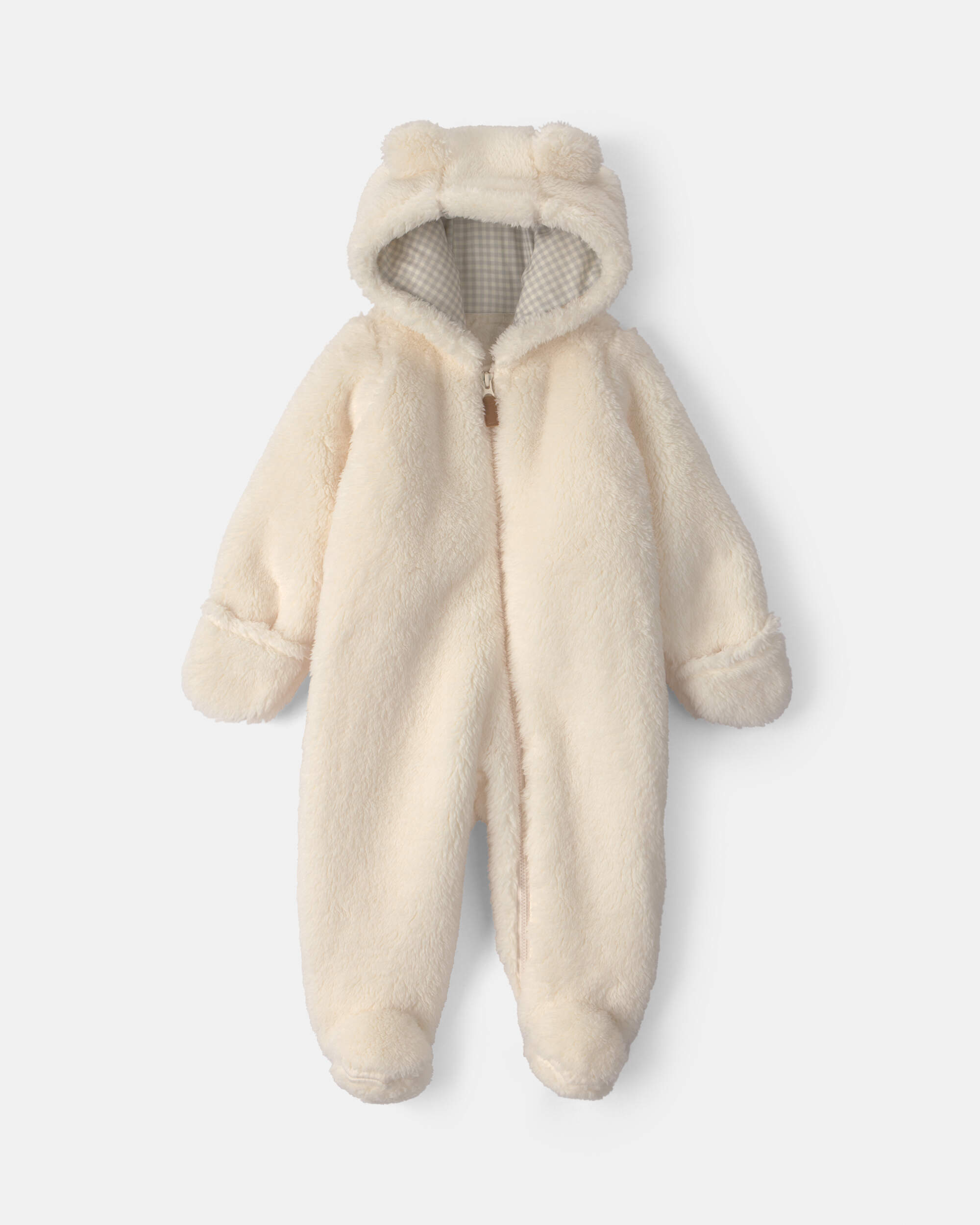







More About Indigo at Erin Mills Town Centre
The largest book retailer in Canada also offers toys, music, home décor, gifts and lifestyle products. What's Inside...Books, Magazines, CD’s and DVD’s, Toys and Gifts, Home Accents, Electronics, Baby’s and Children’s Section, Bath and Body, Kitchen and Bedroom, Stationary Located outside in the exterior plaza.
5015 Glen Erin Dr, Mississauga, ON L5M 0R7, Canada
Find Indigo at Erin Mills Town Centre in Mississauga ON
Visit Indigo at Erin Mills Town Centre in Mississauga ON