

GIVE THE PERFECT GIFT
Erin Mills Town Centre Gift Cards are the perfect choice for your gift giving needs.Purchase gift cards at kiosks near the food court or centre court, at Guest Services, or click below to purchase online.PURCHASE HEREHome
A Media Epigraphy of Video Compression: Reading Traces of Decay
Indigo
Loading Inventory...
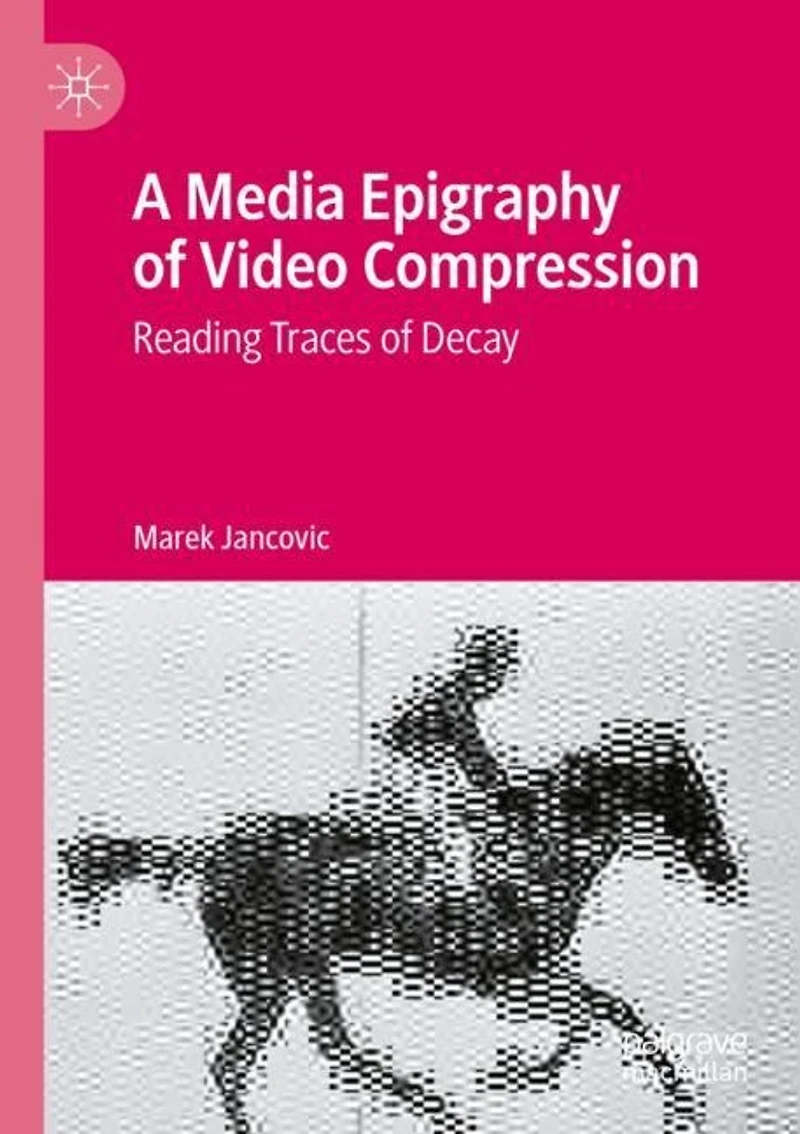
A Media Epigraphy of Video Compression: Reading Traces of Decay
Current price: $189.95

A Media Epigraphy of Video Compression: Reading Traces of Decay
Current price: $189.95
Loading Inventory...
Size: Paperback
*Product information may vary - to confirm product availability, pricing, shipping and return information please contact Indigo
This book explores the historical interrelationships between mathematics, medicine and media, and offers a unique perspective on how video compression has shaped our relationship with moving images and the world. It situates compression in a network of technological, visual and epistemic practices spanning from late 18th-century computational methods to the standardization of electrical infrastructure and the development of neurology throughout the 1900s. Bringing into conversation media archaeology, science and technology studies, disability studies and queer theory, each chapter offers an in-depth look at a different trace of compression, such as interlacing, macroblocking or flicker. This is a story of forgotten technologies, unusual media practices, strange images on the margins of visual culture and inventive ways of looking at the world. Readers will find illuminating discussions of the formation of complex scientific and medical systems, and of the violent and pleasurable interactions between our bodies and media infrastructure.
This book explores the historical interrelationships between mathematics, medicine and media, and offers a unique perspective on how video compression has shaped our relationship with moving images and the world. It situates compression in a network of technological, visual and epistemic practices spanning from late 18th-century computational methods to the standardization of electrical infrastructure and the development of neurology throughout the 1900s. Bringing into conversation media archaeology, science and technology studies, disability studies and queer theory, each chapter offers an in-depth look at a different trace of compression, such as interlacing, macroblocking or flicker. This is a story of forgotten technologies, unusual media practices, strange images on the margins of visual culture and inventive ways of looking at the world. Readers will find illuminating discussions of the formation of complex scientific and medical systems, and of the violent and pleasurable interactions between our bodies and media infrastructure.
You May Also Like









More About Indigo at Erin Mills Town Centre
The largest book retailer in Canada also offers toys, music, home décor, gifts and lifestyle products. What's Inside...Books, Magazines, CD’s and DVD’s, Toys and Gifts, Home Accents, Electronics, Baby’s and Children’s Section, Bath and Body, Kitchen and Bedroom, Stationary Located outside in the exterior plaza.
5015 Glen Erin Dr, Mississauga, ON L5M 0R7, Canada
Find Indigo at Erin Mills Town Centre in Mississauga ON
Visit Indigo at Erin Mills Town Centre in Mississauga ON