

GIVE THE PERFECT GIFT
Erin Mills Town Centre Gift Cards are the perfect choice for your gift giving needs.Purchase gift cards at kiosks near the food court or centre court, at Guest Services, or click below to purchase online.PURCHASE HEREHome
A Most Magnificent Machine: America Adopts the Railroad, 1825-1862
Indigo
Loading Inventory...
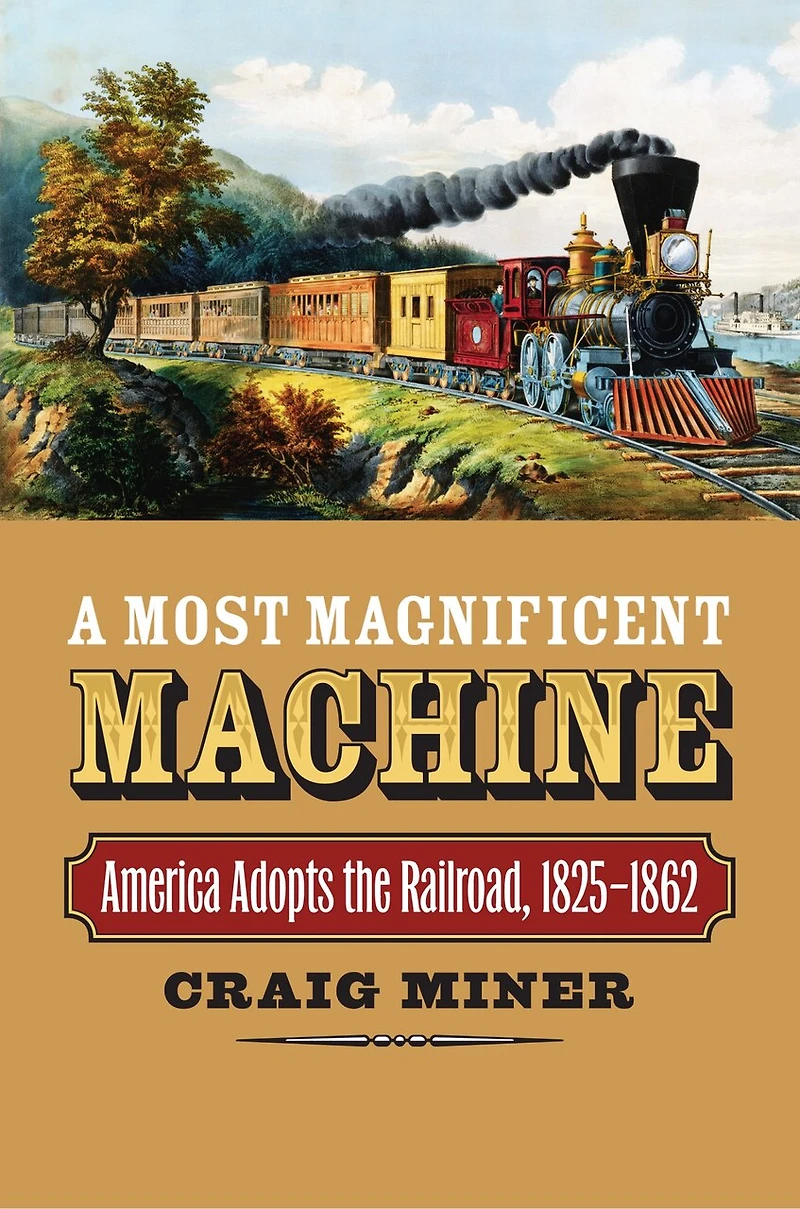
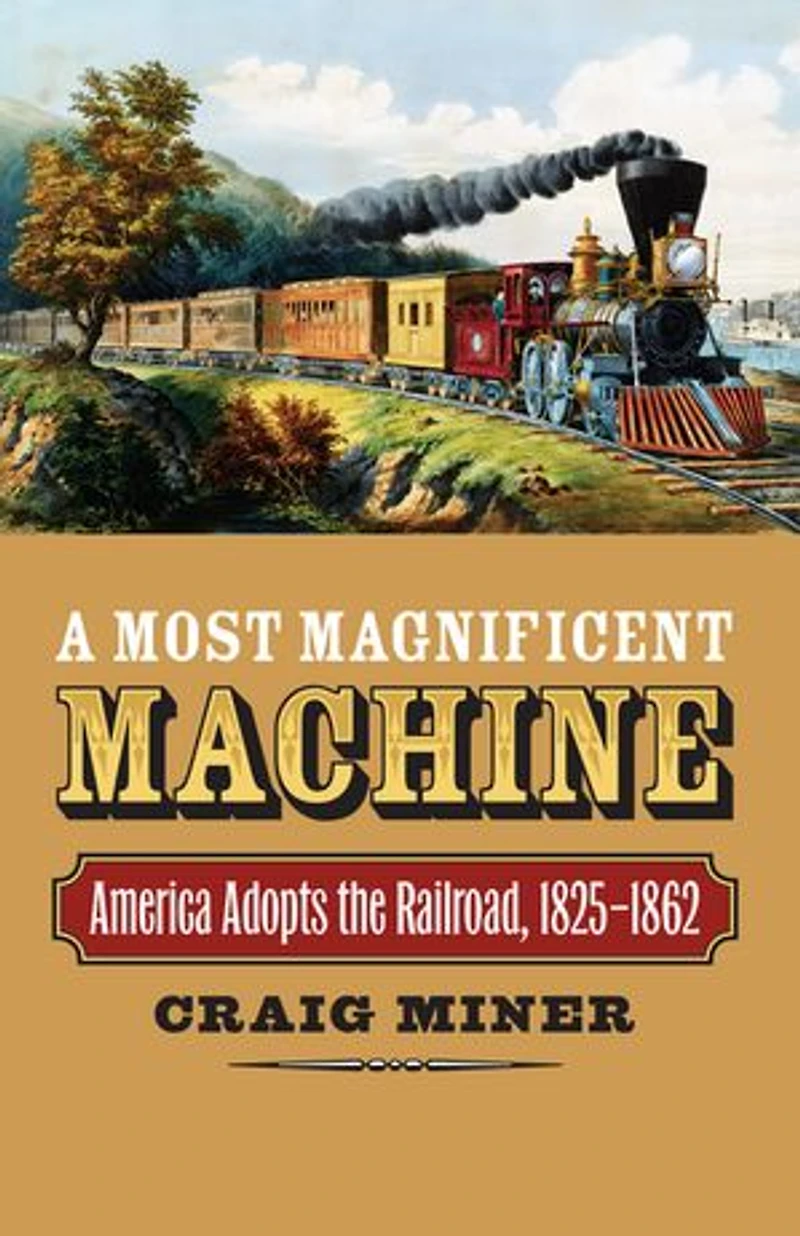
A Most Magnificent Machine: America Adopts the Railroad, 1825-1862
Current price: $80.95

A Most Magnificent Machine: America Adopts the Railroad, 1825-1862
Current price: $80.95
Loading Inventory...
Size: Hardcover
*Product information may vary - to confirm product availability, pricing, shipping and return information please contact Indigo
Winner: George W. and Constance M. Hilton Book Award Just as the railroad transformed America’s economic landscape, it profoundly transfigured its citizens as well. But while there have been many histories of railroads, few have examined the subject as a social and cultural phenomenon. Informed especially by rich research in the nation's newspaper archives, Craig Miner now traces the growth of railroads from their origins in the 1820s to the onset of the Civil War. In this first social history of the early railroads, Miner reveals how ordinary Americans experienced this innovation at the grass roots, from boosters’ dreams of get-rich schemes to naysayers’ fears of soulless corporations. Drawing on an amazing 400,000 articles from 185 newspapers—plus more than 3,000 books and pamphlets from the era—he documents the initial burst of enthusiasm accompanying early railroading as it took shape in various settings across the country. Miner examines the cultural, economic, and political aspects of this broad and complicated topic while remaining rooted in the local interests of communities. He takes readers back to the days of the Mauch Chunk Railway, a tourist sensation of the mid-1820s, navigates the mixed reactions to trains as Baltimore’s city fathers envisioned tracks to the Ohio River, shows how Pennsylvanians wrestled with the efficacy of railroads versus canals, and describes the intense rivalry of cities competing for trade as old transportation patterns were replaced by the new rail technology. Miner samples individual railroads to compare progress across the industry, showing how it became a quintessentially American business-and how the Panic of 1837 significantly slowed the railways as a major engine of growth for many years. He also explores the impact of railroads on different regions, even disproving the backwardness of the South by citing the Central of Georgia as one of the best-managed and most profitable lines in the country. Through this panoramic work, readers will discover just how the benefits of what became the country’s first big business triumphed over cultural concerns, though not without considerable controversy along the way. By identifying citizens’ hopes and fears sparked by the railroads, A Most Magnificent Machine takes readers down the tracks of progress as it opens a new window on antebellum America.
Winner: George W. and Constance M. Hilton Book Award Just as the railroad transformed America’s economic landscape, it profoundly transfigured its citizens as well. But while there have been many histories of railroads, few have examined the subject as a social and cultural phenomenon. Informed especially by rich research in the nation's newspaper archives, Craig Miner now traces the growth of railroads from their origins in the 1820s to the onset of the Civil War. In this first social history of the early railroads, Miner reveals how ordinary Americans experienced this innovation at the grass roots, from boosters’ dreams of get-rich schemes to naysayers’ fears of soulless corporations. Drawing on an amazing 400,000 articles from 185 newspapers—plus more than 3,000 books and pamphlets from the era—he documents the initial burst of enthusiasm accompanying early railroading as it took shape in various settings across the country. Miner examines the cultural, economic, and political aspects of this broad and complicated topic while remaining rooted in the local interests of communities. He takes readers back to the days of the Mauch Chunk Railway, a tourist sensation of the mid-1820s, navigates the mixed reactions to trains as Baltimore’s city fathers envisioned tracks to the Ohio River, shows how Pennsylvanians wrestled with the efficacy of railroads versus canals, and describes the intense rivalry of cities competing for trade as old transportation patterns were replaced by the new rail technology. Miner samples individual railroads to compare progress across the industry, showing how it became a quintessentially American business-and how the Panic of 1837 significantly slowed the railways as a major engine of growth for many years. He also explores the impact of railroads on different regions, even disproving the backwardness of the South by citing the Central of Georgia as one of the best-managed and most profitable lines in the country. Through this panoramic work, readers will discover just how the benefits of what became the country’s first big business triumphed over cultural concerns, though not without considerable controversy along the way. By identifying citizens’ hopes and fears sparked by the railroads, A Most Magnificent Machine takes readers down the tracks of progress as it opens a new window on antebellum America.
You May Also Like









More About Indigo at Erin Mills Town Centre
The largest book retailer in Canada also offers toys, music, home décor, gifts and lifestyle products. What's Inside...Books, Magazines, CD’s and DVD’s, Toys and Gifts, Home Accents, Electronics, Baby’s and Children’s Section, Bath and Body, Kitchen and Bedroom, Stationary Located outside in the exterior plaza.
5015 Glen Erin Dr, Mississauga, ON L5M 0R7, Canada
Find Indigo at Erin Mills Town Centre in Mississauga ON
Visit Indigo at Erin Mills Town Centre in Mississauga ON