

GIVE THE PERFECT GIFT
Erin Mills Town Centre Gift Cards are the perfect choice for your gift giving needs.Purchase gift cards at kiosks near the food court or centre court, at Guest Services, or click below to purchase online.PURCHASE HEREHome
A New Way of Living: Georgian Town Planning the Highlands & Islands
Indigo
Loading Inventory...
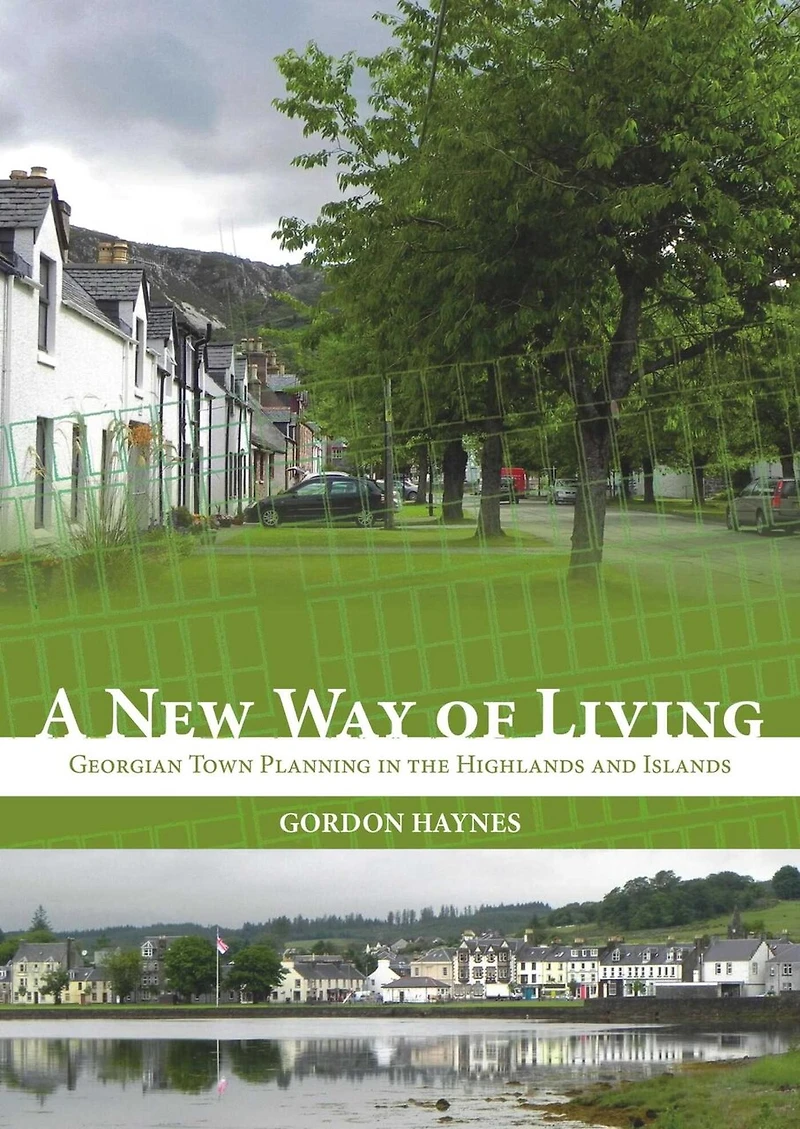
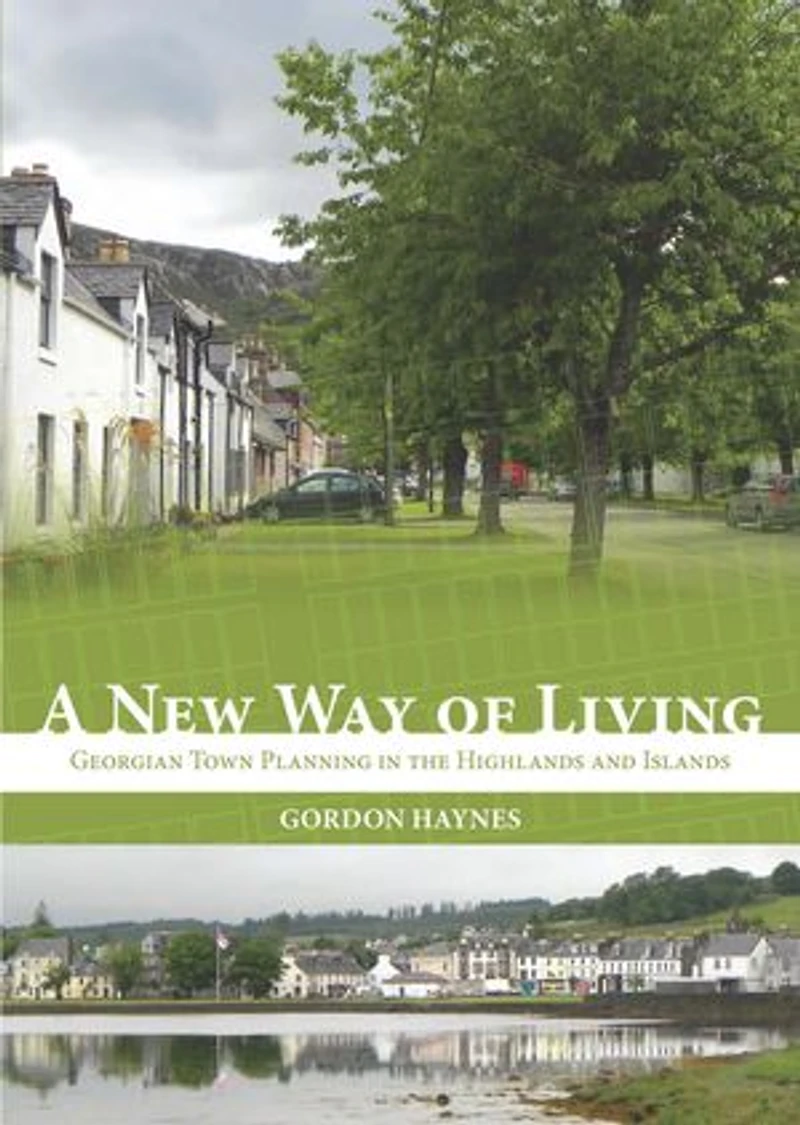
A New Way of Living: Georgian Town Planning the Highlands & Islands
Current price: $273.00

A New Way of Living: Georgian Town Planning the Highlands & Islands
Current price: $273.00
Loading Inventory...
Size: Hardcover
*Product information may vary - to confirm product availability, pricing, shipping and return information please contact Indigo
A New Way of Living tells the broad story of the development of new towns in the Scottish Highlands and Islands post-1750. It pulls together the various strands that influenced the development of the North West Highlands after the disastrous risings and charts the government-backed attempts at establishing fishing villages from Argyll to Sutherland, as well as private initiatives to do likewise along the shores of the Moray Firth. Old harbours were improved and new ones created in an attempt to capitalise on the rich but fickle fishery resource of the continental shelf, many engineers making their reputations in the process. Roads and later railways were built to connect these new settlements to their markets which were tens or hundreds of miles away across mountain ranges, presenting monumental challenges for the designers and workforce. In the farming country of Morayshire, north Aberdeenshire and the old counties of Banffshire and Buchan, landowners led these improvements, often bestowing their names on their villages and towns such as Archiestown and Macduff. The entire programme, which came to a faltering close in the 1830s, was designed to increase the profitability of estates and improve the wealth and health of the population by bringing law, order and civilisation to what was previously a scattered population with very limited access to modern services and amenities. In many cases the plan succeeded although there were some notable failures and many misguided enterprises, the consequences of which left fledgling communities high and dry without any viable industry. This was a period when a new way of living was imposed upon a population that had no alternative but to accept it or leave for the colonies. The book demonstrates how the planners borrowed concepts from history and how the more successful layouts were developed with some degree of building regulation applied to a sensibly zoned plan. Many of the places studied, particularly those on the coast, are now sought-after as holiday home locations, thus proving the enduring appeal of picturesque settings of terraced cottages clustered around a harbour or bay. The rationale for their existence may have changed but the constant appeal of the plan and building fabric of many of the new towns illustrates the enduring worth of this Georgian legacy. A New Way of Living tells the broad story of the development of new towns in the Scottish Highlands and Islands post-1750. It pulls together the various strands that influenced the development of the North West Highlands after the disastrous risings and charts the government-backed attempts at establishing fishing villages from Argyll to Sutherland, as well as private initiatives to do likewise along the shores of the Moray Firth. Old harbours were improved and new ones created in an attempt to capitalise on the rich but fickle fishery resource of the continental shelf, many engineers making their reputations in the process. Roads and later railways were built to connect these new settlements to their markets which were tens or hundreds of miles away across mountain ranges, presenting monumental challenges for the designers and workforce. In the farming country of Morayshire, north Aberdeenshire and the old counties of Banffshire and Buchan, landowners led these improvements, often bestowing their names on their villages and towns such as Archiestown and Macduff. The entire programme, which came to a faltering close in the 1830s, was designed to increase the profitability of estates and improve the wealth and health of the population by bringing law, order and civilisation to what was previously a scattered population with very limited access to modern services and amenities. In many cases the plan succeeded although there were some notable failures and many misguided enterprises, the consequences of which left fledgling communities high and dry without any viable industry. This was a period when a new way of living was imposed upon a population that had no alternative but to accept it or leave for the colonies. The book demonstrates how the planners borrowed concepts from history and how the more successful layouts were developed with some degree of building regulation applied to a sensibly zoned plan. Many of the places studied, particularly those on the coast, are now sought-after as holiday home locations, thus proving the enduring appeal of picturesque settings of terraced cottages clustered around a harbour or bay. The rationale for their existence may have changed but the constant appeal of the plan and building fabric of many of the new towns illustrates the enduring worth of this Georgian legacy.
A New Way of Living tells the broad story of the development of new towns in the Scottish Highlands and Islands post-1750. It pulls together the various strands that influenced the development of the North West Highlands after the disastrous risings and charts the government-backed attempts at establishing fishing villages from Argyll to Sutherland, as well as private initiatives to do likewise along the shores of the Moray Firth. Old harbours were improved and new ones created in an attempt to capitalise on the rich but fickle fishery resource of the continental shelf, many engineers making their reputations in the process. Roads and later railways were built to connect these new settlements to their markets which were tens or hundreds of miles away across mountain ranges, presenting monumental challenges for the designers and workforce. In the farming country of Morayshire, north Aberdeenshire and the old counties of Banffshire and Buchan, landowners led these improvements, often bestowing their names on their villages and towns such as Archiestown and Macduff. The entire programme, which came to a faltering close in the 1830s, was designed to increase the profitability of estates and improve the wealth and health of the population by bringing law, order and civilisation to what was previously a scattered population with very limited access to modern services and amenities. In many cases the plan succeeded although there were some notable failures and many misguided enterprises, the consequences of which left fledgling communities high and dry without any viable industry. This was a period when a new way of living was imposed upon a population that had no alternative but to accept it or leave for the colonies. The book demonstrates how the planners borrowed concepts from history and how the more successful layouts were developed with some degree of building regulation applied to a sensibly zoned plan. Many of the places studied, particularly those on the coast, are now sought-after as holiday home locations, thus proving the enduring appeal of picturesque settings of terraced cottages clustered around a harbour or bay. The rationale for their existence may have changed but the constant appeal of the plan and building fabric of many of the new towns illustrates the enduring worth of this Georgian legacy. A New Way of Living tells the broad story of the development of new towns in the Scottish Highlands and Islands post-1750. It pulls together the various strands that influenced the development of the North West Highlands after the disastrous risings and charts the government-backed attempts at establishing fishing villages from Argyll to Sutherland, as well as private initiatives to do likewise along the shores of the Moray Firth. Old harbours were improved and new ones created in an attempt to capitalise on the rich but fickle fishery resource of the continental shelf, many engineers making their reputations in the process. Roads and later railways were built to connect these new settlements to their markets which were tens or hundreds of miles away across mountain ranges, presenting monumental challenges for the designers and workforce. In the farming country of Morayshire, north Aberdeenshire and the old counties of Banffshire and Buchan, landowners led these improvements, often bestowing their names on their villages and towns such as Archiestown and Macduff. The entire programme, which came to a faltering close in the 1830s, was designed to increase the profitability of estates and improve the wealth and health of the population by bringing law, order and civilisation to what was previously a scattered population with very limited access to modern services and amenities. In many cases the plan succeeded although there were some notable failures and many misguided enterprises, the consequences of which left fledgling communities high and dry without any viable industry. This was a period when a new way of living was imposed upon a population that had no alternative but to accept it or leave for the colonies. The book demonstrates how the planners borrowed concepts from history and how the more successful layouts were developed with some degree of building regulation applied to a sensibly zoned plan. Many of the places studied, particularly those on the coast, are now sought-after as holiday home locations, thus proving the enduring appeal of picturesque settings of terraced cottages clustered around a harbour or bay. The rationale for their existence may have changed but the constant appeal of the plan and building fabric of many of the new towns illustrates the enduring worth of this Georgian legacy.
You May Also Like











More About Indigo at Erin Mills Town Centre
The largest book retailer in Canada also offers toys, music, home décor, gifts and lifestyle products. What's Inside...Books, Magazines, CD’s and DVD’s, Toys and Gifts, Home Accents, Electronics, Baby’s and Children’s Section, Bath and Body, Kitchen and Bedroom, Stationary Located outside in the exterior plaza.
5015 Glen Erin Dr, Mississauga, ON L5M 0R7, Canada
Find Indigo at Erin Mills Town Centre in Mississauga ON
Visit Indigo at Erin Mills Town Centre in Mississauga ON