

GIVE THE PERFECT GIFT
Erin Mills Town Centre Gift Cards are the perfect choice for your gift giving needs.Purchase gift cards at kiosks near the food court or centre court, at Guest Services, or click below to purchase online.PURCHASE HEREHome
A People's History of India 6: Post Mauryan India, 200 BC – AD 300
Indigo
Loading Inventory...
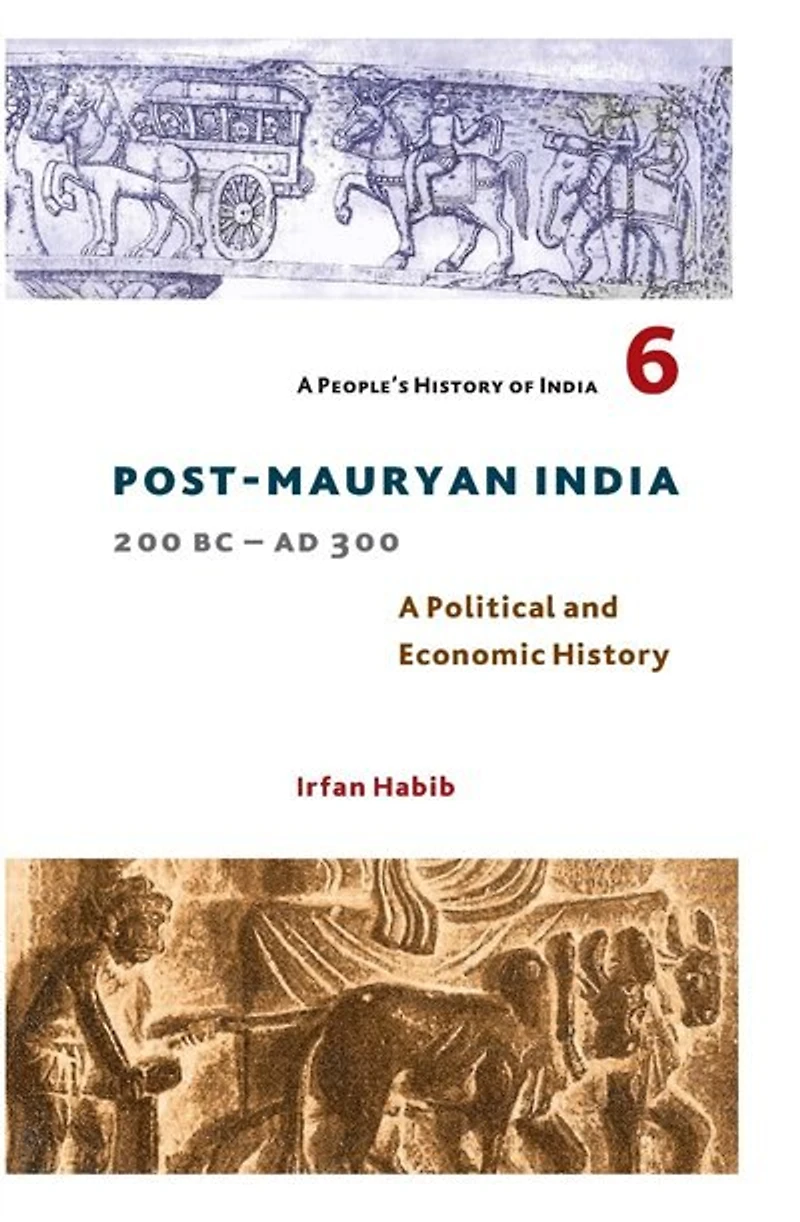
A People's History of India 6: Post Mauryan India, 200 BC – AD 300
Current price: $20.00

A People's History of India 6: Post Mauryan India, 200 BC – AD 300
Current price: $20.00
Loading Inventory...
Size: Paperback
*Product information may vary - to confirm product availability, pricing, shipping and return information please contact Indigo
Post-Mauryan India, 200 BC – AD 300: A Political and Economic History , as part of the People's History of India series, deals with the five hundred years that, in the political sphere, are associated with the dominance of Indo-Greeks, Sakas, Kushans, and Satavahanas. The volume also offers a detailed survey of the economy of the period, which saw important changes, in craft production as well as overseas trade. (The changes in the caste system and cultural life during this long period will be treated in a separate volume.) A special feature of the present volume is that the information contained is based on fully updated material. As with other volumes of the series, translations of select inscriptions and extracts from texts are appended to each chapter. There are special notes (by way of technical aids) on the Puranas, the Shangam texts, and Kushan chronology; and on numismatics and economics. In addition, there are seven maps and twenty-four illustrations, being mainly reproductions of coins and sculpture.
Post-Mauryan India, 200 BC – AD 300: A Political and Economic History , as part of the People's History of India series, deals with the five hundred years that, in the political sphere, are associated with the dominance of Indo-Greeks, Sakas, Kushans, and Satavahanas. The volume also offers a detailed survey of the economy of the period, which saw important changes, in craft production as well as overseas trade. (The changes in the caste system and cultural life during this long period will be treated in a separate volume.) A special feature of the present volume is that the information contained is based on fully updated material. As with other volumes of the series, translations of select inscriptions and extracts from texts are appended to each chapter. There are special notes (by way of technical aids) on the Puranas, the Shangam texts, and Kushan chronology; and on numismatics and economics. In addition, there are seven maps and twenty-four illustrations, being mainly reproductions of coins and sculpture.
You May Also Like







More About Indigo at Erin Mills Town Centre
The largest book retailer in Canada also offers toys, music, home décor, gifts and lifestyle products. What's Inside...Books, Magazines, CD’s and DVD’s, Toys and Gifts, Home Accents, Electronics, Baby’s and Children’s Section, Bath and Body, Kitchen and Bedroom, Stationary Located outside in the exterior plaza.
5015 Glen Erin Dr, Mississauga, ON L5M 0R7, Canada
Find Indigo at Erin Mills Town Centre in Mississauga ON
Visit Indigo at Erin Mills Town Centre in Mississauga ON