

GIVE THE PERFECT GIFT
Erin Mills Town Centre Gift Cards are the perfect choice for your gift giving needs.Purchase gift cards at kiosks near the food court or centre court, at Guest Services, or click below to purchase online.PURCHASE HEREHome
A Perfect Harmony: Music, Mathematics and Science
Indigo
Loading Inventory...
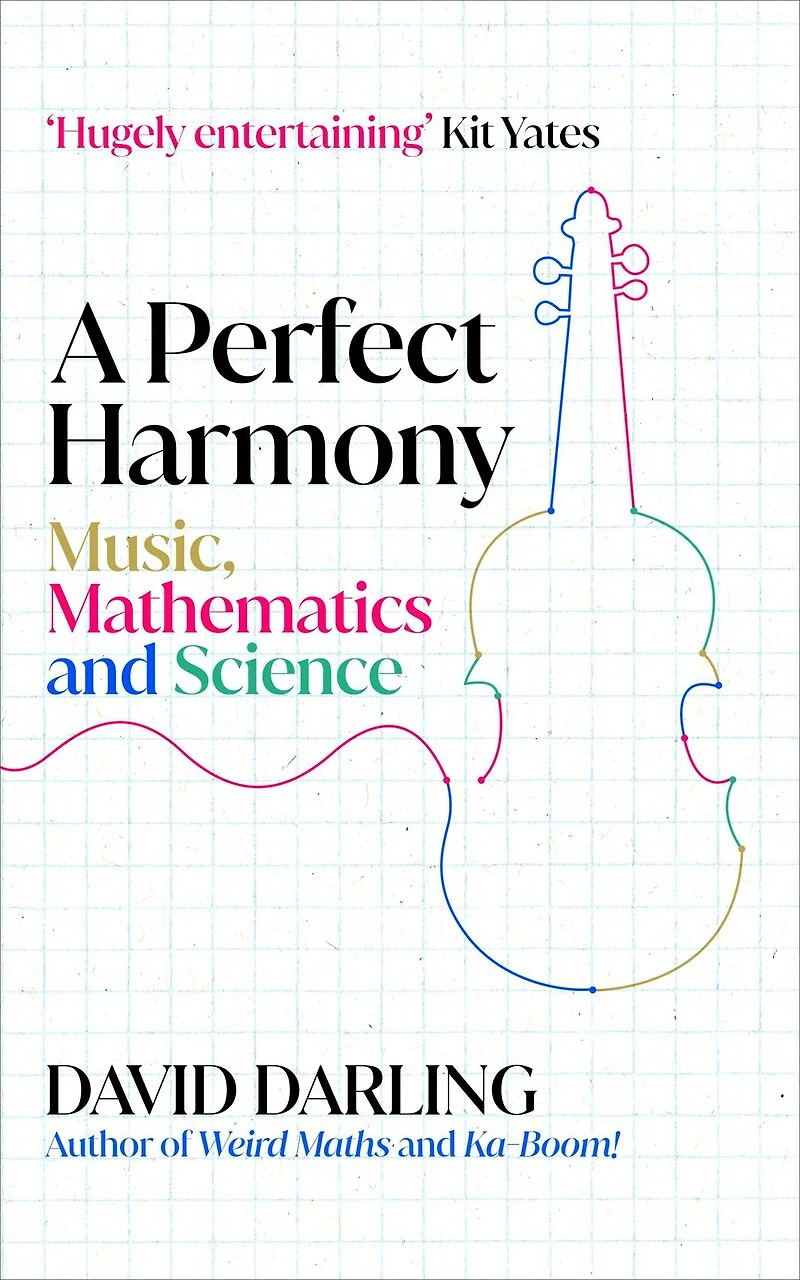
A Perfect Harmony: Music, Mathematics and Science
Current price: $25.95

A Perfect Harmony: Music, Mathematics and Science
Current price: $25.95
Loading Inventory...
Size: Paperback
*Product information may vary - to confirm product availability, pricing, shipping and return information please contact Indigo
A melodic odyssey through the interwoven worlds of music, physics and mathematics
From the earliest of civilisations, humans have found ways to make music, whether through makeshift drums or artfully drilled bone flutes. But how did music – effectively little more than a series of certain tones and rhythms – become so integral to the human experience?
Untangling the curious links between notes and number, musical perception, psychology and physics, David Darling examines the fascinating science behind music, from its Palaeolithic origins to the present.
Revealing surprising connections and busting pervasive myths, A Perfect Harmony asks:
Why do musicians tend to be better at maths than non-musicians? Why do we find some pieces sad and others happy? Will playing Mozart to babies predispose them to genius? Could an AI write the perfect symphony?
A melodic odyssey through the interwoven worlds of music, physics and mathematics
From the earliest of civilisations, humans have found ways to make music, whether through makeshift drums or artfully drilled bone flutes. But how did music – effectively little more than a series of certain tones and rhythms – become so integral to the human experience?
Untangling the curious links between notes and number, musical perception, psychology and physics, David Darling examines the fascinating science behind music, from its Palaeolithic origins to the present.
Revealing surprising connections and busting pervasive myths, A Perfect Harmony asks:
Why do musicians tend to be better at maths than non-musicians? Why do we find some pieces sad and others happy? Will playing Mozart to babies predispose them to genius? Could an AI write the perfect symphony?
You May Also Like










More About Indigo at Erin Mills Town Centre
The largest book retailer in Canada also offers toys, music, home décor, gifts and lifestyle products. What's Inside...Books, Magazines, CD’s and DVD’s, Toys and Gifts, Home Accents, Electronics, Baby’s and Children’s Section, Bath and Body, Kitchen and Bedroom, Stationary Located outside in the exterior plaza.
5015 Glen Erin Dr, Mississauga, ON L5M 0R7, Canada
Find Indigo at Erin Mills Town Centre in Mississauga ON
Visit Indigo at Erin Mills Town Centre in Mississauga ON