

GIVE THE PERFECT GIFT
Erin Mills Town Centre Gift Cards are the perfect choice for your gift giving needs.Purchase gift cards at kiosks near the food court or centre court, at Guest Services, or click below to purchase online.PURCHASE HEREHome
A Perspective On Post-cardiac Arrest Syndrome
Indigo
Loading Inventory...
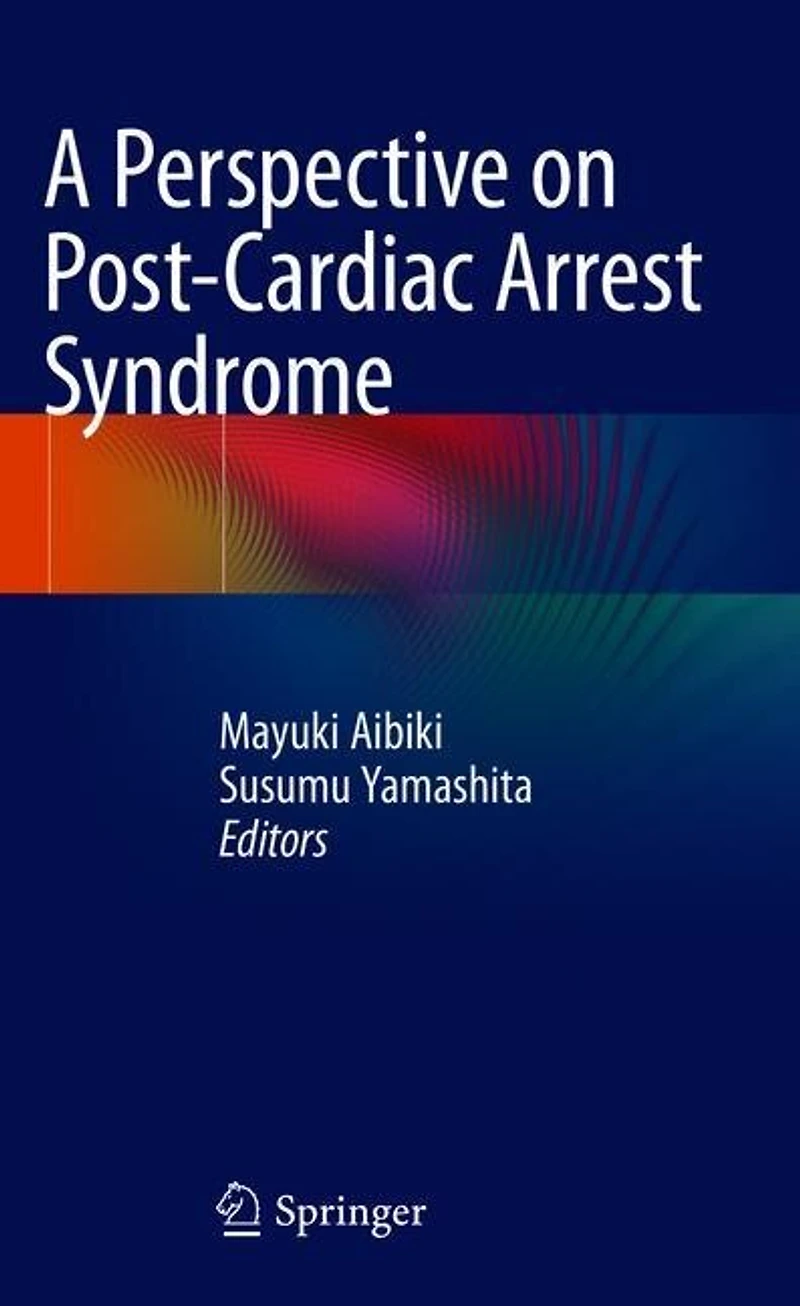
A Perspective On Post-cardiac Arrest Syndrome
Current price: $160.95

A Perspective On Post-cardiac Arrest Syndrome
Current price: $160.95
Loading Inventory...
Size: Hardcover
*Product information may vary - to confirm product availability, pricing, shipping and return information please contact Indigo
This book presents a valuable new perspective on Post-Cardiac Arrest Syndrome (PCAS), which was defined as system failure following whole-body ischemia-reperfusion injuries by the 2008 International Liaison Committee on Resuscitation. Recently, improving the survival rate of PCAS has become a major priority all over the world. A Perspective on Post-Cardiac Arrest Syndrome addresses various aspects, including: neurological outcomes in non-convulsive status epilepticus, target temperature management, interventions for PCAS after acute coronary syndrome, the significance of measuring lactate clearance, a specific scoring system in prognostication for PCAS, therapeutic indications for suicide hanging cases. This book will help a broad readership, including emergency physicians, intensivists, cardiologists and neurologists treating PCAS patients, to understand the history, current issues and future challenges in PCAS, presented by respected experts in this field.
This book presents a valuable new perspective on Post-Cardiac Arrest Syndrome (PCAS), which was defined as system failure following whole-body ischemia-reperfusion injuries by the 2008 International Liaison Committee on Resuscitation. Recently, improving the survival rate of PCAS has become a major priority all over the world. A Perspective on Post-Cardiac Arrest Syndrome addresses various aspects, including: neurological outcomes in non-convulsive status epilepticus, target temperature management, interventions for PCAS after acute coronary syndrome, the significance of measuring lactate clearance, a specific scoring system in prognostication for PCAS, therapeutic indications for suicide hanging cases. This book will help a broad readership, including emergency physicians, intensivists, cardiologists and neurologists treating PCAS patients, to understand the history, current issues and future challenges in PCAS, presented by respected experts in this field.
You May Also Like









More About Indigo at Erin Mills Town Centre
The largest book retailer in Canada also offers toys, music, home décor, gifts and lifestyle products. What's Inside...Books, Magazines, CD’s and DVD’s, Toys and Gifts, Home Accents, Electronics, Baby’s and Children’s Section, Bath and Body, Kitchen and Bedroom, Stationary Located outside in the exterior plaza.
5015 Glen Erin Dr, Mississauga, ON L5M 0R7, Canada
Find Indigo at Erin Mills Town Centre in Mississauga ON
Visit Indigo at Erin Mills Town Centre in Mississauga ON